Eco-Friendly Thermal Pads: Trends & Materials
The thermal management industry is undergoing a green transformation. Driven by stringent environmental regulations (like REACH and RoHS), corporate sustainability goals, and demand for higher performance, innovation is moving beyond traditional silicone-based pads. This exploration covers the shift towards sustainable thermal interface materials and the promising frontier of non-silicone alternatives.
The Drive for Greener Solutions
Traditional silicone pads, while effective, pose end-of-life challenges. They are difficult to recycle and are often landfilled. The industry response includes several approaches:
- Bio-based Polymer Formulations: Pioneering companies are developing pads using renewable, bio-derived silicone or polyurethane matrices. These eco-friendly thermal gap fillers aim to reduce dependency on fossil fuels and offer improved end-of-life disposal options.
- Recyclable & Low-Impact Designs: Efforts are underway to create thermally conductive but separable assemblies, making it easier to reclaim metals and other components during e-waste processing. The focus is on reducing the environmental footprint of electronics manufacturing.
- Halogen-Free and Low VOC Materials: To meet the strictest safety and sustainability standards for global markets, new formulations eliminate brominated flame retardants and reduce volatile organic compounds (VOCs), contributing to better indoor air quality and safer production lines.
High-Performance Alternatives to Silicone
Parallel to the green movement, performance demands are spurring material science breakthroughs:
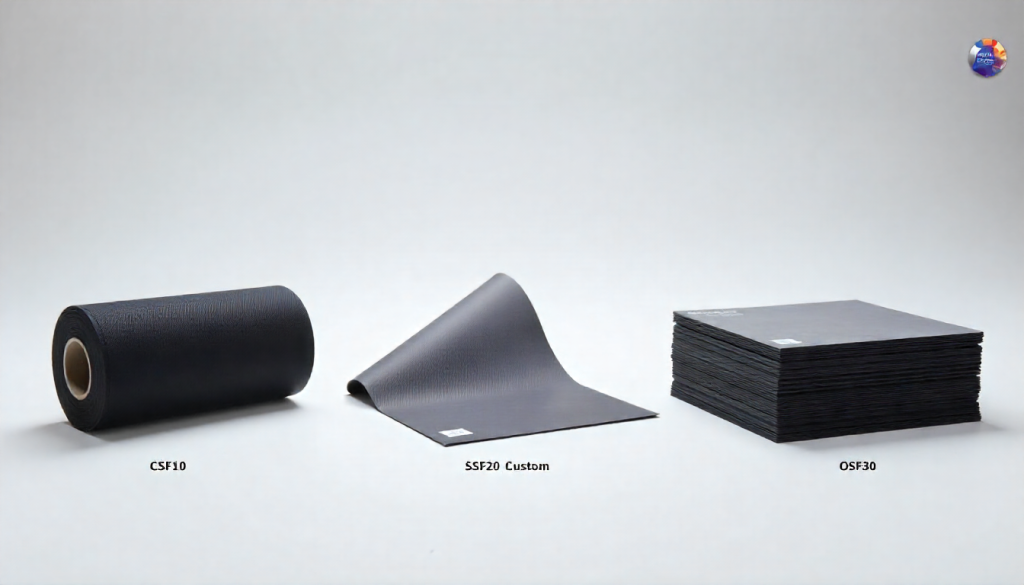
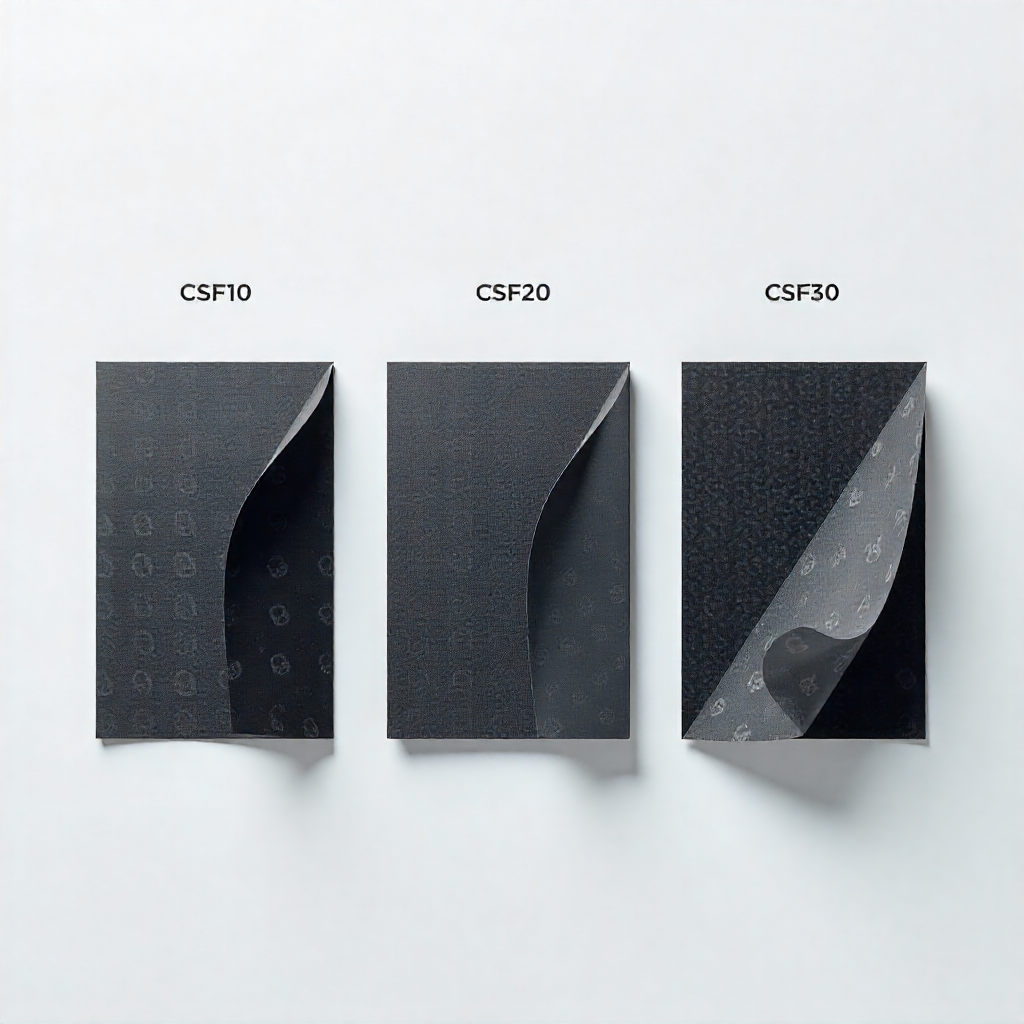
- Graphite-Based Films: These thin, lightweight graphite thermal pads offer exceptionally high in-plane thermal conductivity, making them ideal for heat spreading across large surfaces in smartphones and laptops. They are often anisotropic, conducting heat laterally much better than through their thickness.
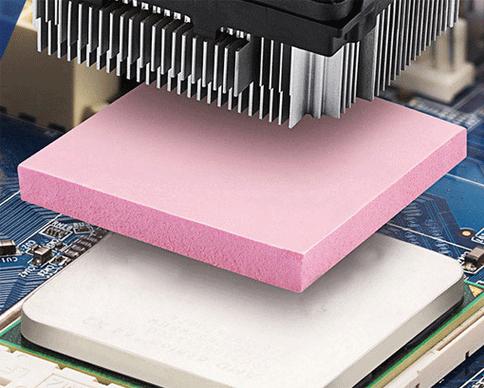
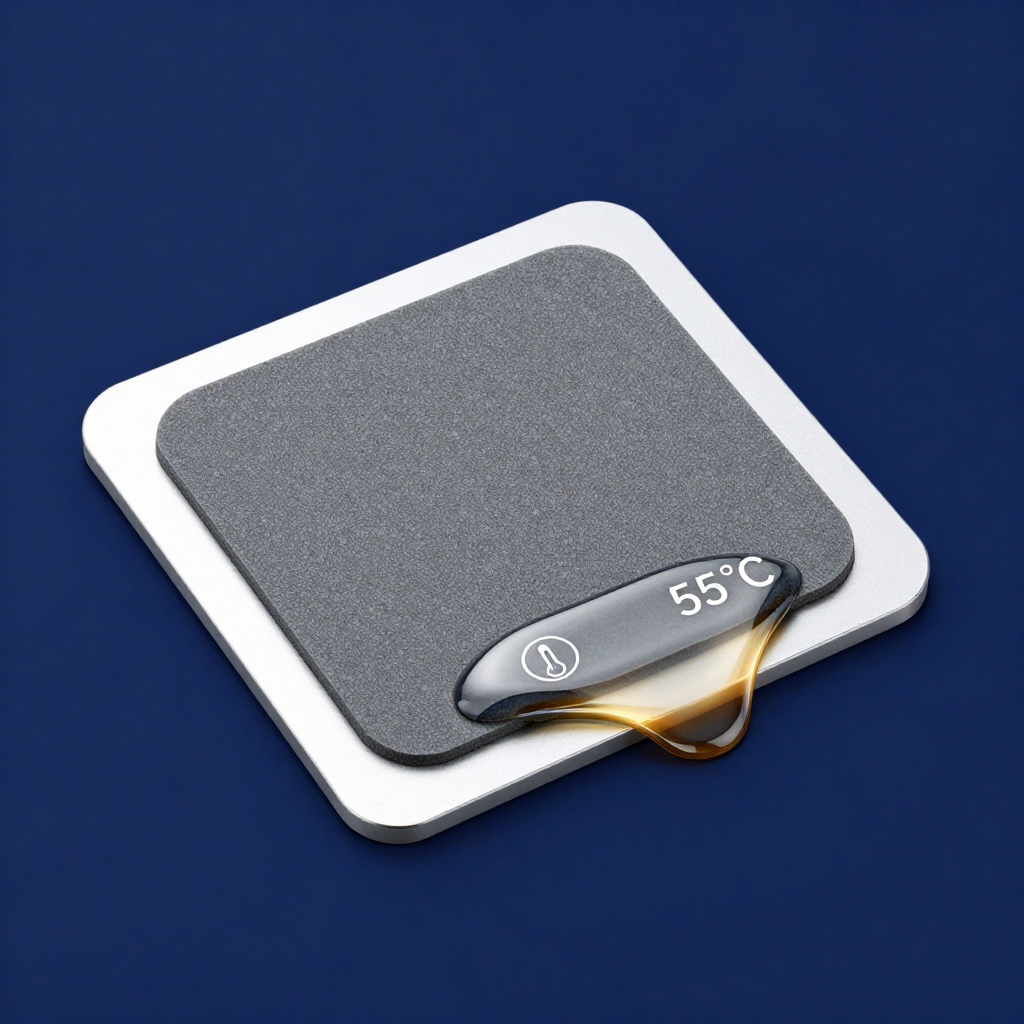
- Phase Change Materials (PCMs): PCM thermal pads are solid at room temperature but melt slightly at operational temperatures (e.g., 50-60°C), flowing to perfectly fill air gaps. This provides ultra-low thermal resistance at the interface, often outperforming traditional pads for CPU and GPU cooling. They leave no residue, simplifying rework.
- Metal-Based & Ceramic Impregnated TIMs: For the most extreme applications, indium foil or solder-based preforms offer the lowest possible thermal resistance. Ceramic-filled, non-silicone polymers provide excellent insulation and stability where silicone’s temperature range or chemical compatibility is a limitation.
Selecting for the Future
Choosing a next-generation TIM involves balancing performance requirements, environmental mandates, and cost. While bio-based thermal pad availability is growing, performance data under long-term stress is still evolving. Phase change material application guidelines require precise temperature control during installation. The key is to partner with suppliers who are transparent about their material composition, lifecycle analysis, and compliance with international environmental directives. By staying informed on these trends, engineers can future-proof their designs, contributing to both higher-performing and more sustainable electronics products.