Ensuring 25-Year Lifespan: TIM Selection for Solar Inverter Reliability
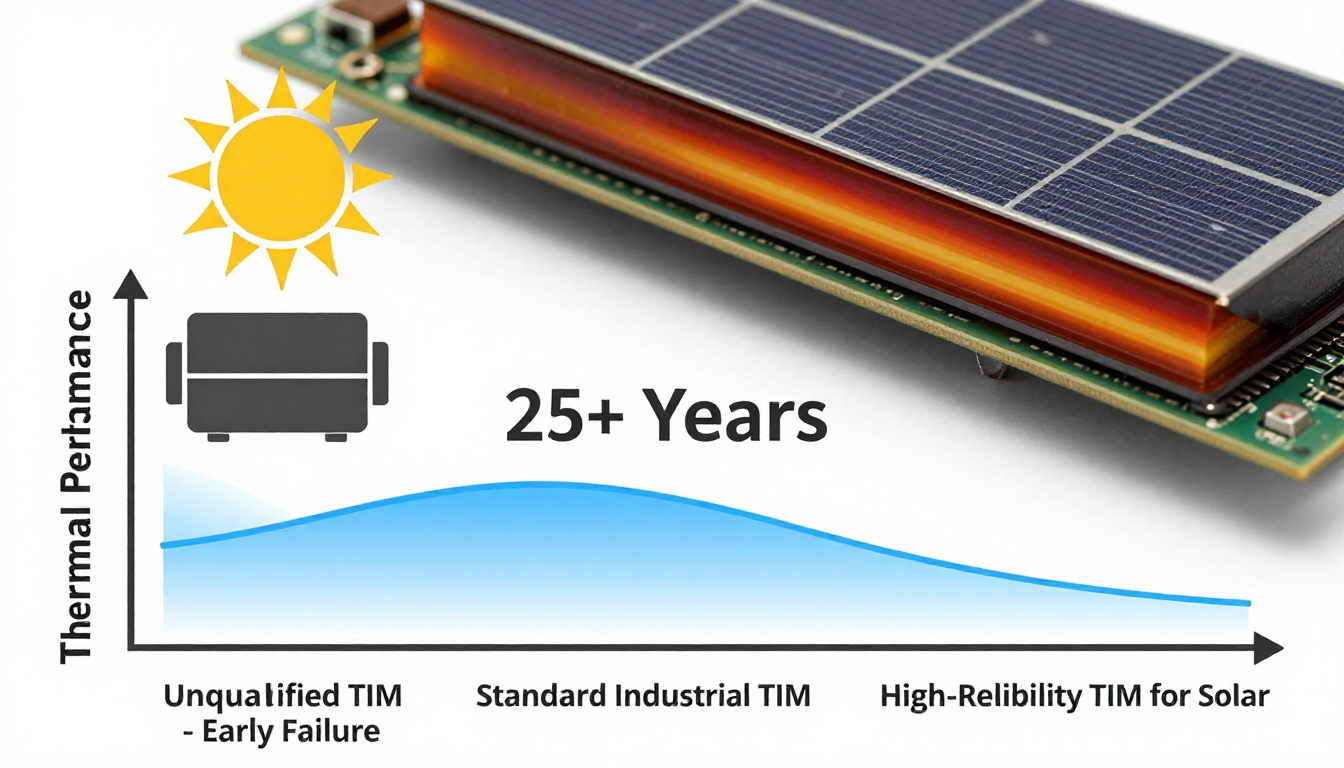
A solar inverter is the heart of a PV system, converting DC to AC for 25+ years in harsh outdoor environments. Its power semiconductors (IGBTs, SiC MOSFETs) generate significant heat, and their reliability is directly tied to junction temperature. The Thermal Interface Material (TIM) in these modules must be engineered not just for initial performance, but for decades of stable operation under relentless stress.
The Solar Inverter TIM Environment:
- Extreme Thermal Cycling: Daily cycles from freezing nights to sun-baked days (>80°C inside enclosure), causing constant expansion/contraction. This accelerates TIM pump-out, dry-out, and delamination.
- UV & Environmental Exposure: While inside a enclosure, seals can fail. TIMs may be exposed to UV, humidity, and condensation, demanding hydrolytic stability and UV resistance.
- High Electrical Stresses: Inverters operate at high voltages (hundreds of volts). TIMs must provide reliable dielectric insulation between live components and grounded heatsinks, even after years of environmental aging.
- Long-Term Warranty: A failure means a costly truck roll and repair. The TIM must have a predictable, slow degradation curve to ensure performance stays within safe limits for the product’s entire warranty period.
Material and Design Strategy:
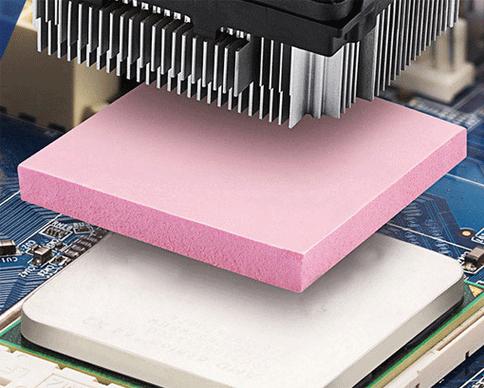
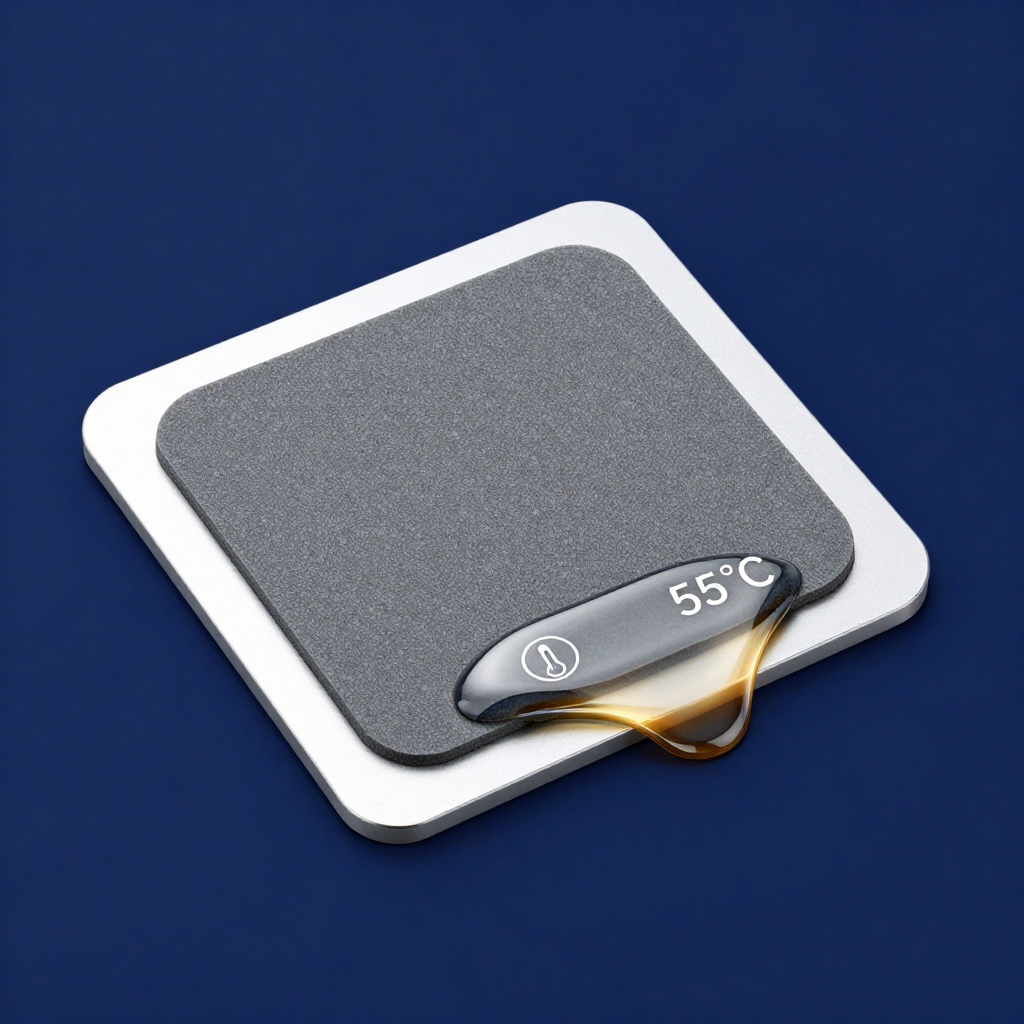
- For IGBT/Wide-Bandgap Module Baseplates: Use phase change thermal pads or high-stability greases that resist pump-out. These are preferred over traditional greases for long-term reliability. Some designs use solder or sintered silver for ultimate stability in high-power central inverters.
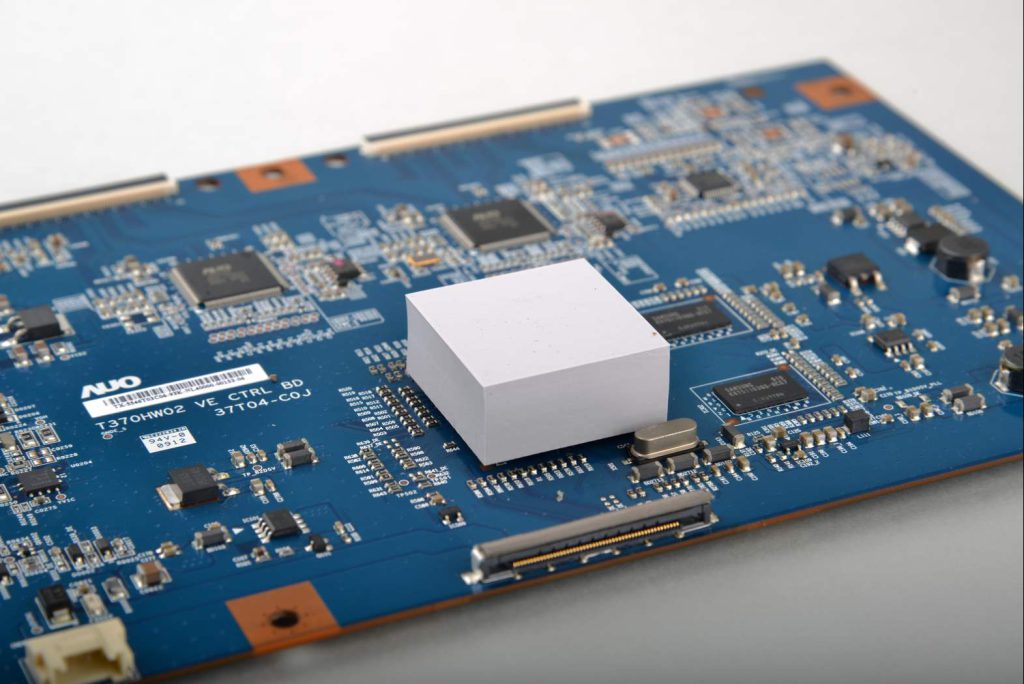
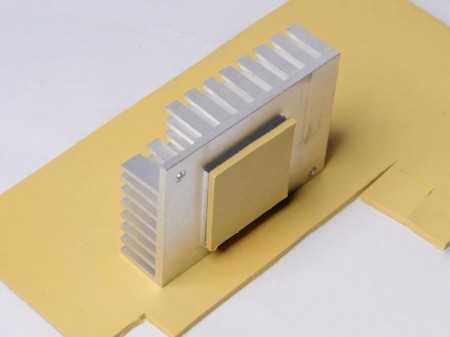
- For PCB-Level Components: Gap filler pads or thermally conductive potting compounds are used to transfer heat from smaller components to the enclosure wall, while also providing vibration damping and environmental protection.
- Qualification is Key: TIMs should be qualified to automotive or similar rigorous standards (AEC-Q200, long-term damp heat testing) rather than commercial specs. Accelerated life testing mimicking 25-year conditions is essential.
Choosing a TIM for a solar inverter is a reliability investment. The upfront cost of a superior, characterized material is insignificant compared to the risk and cost of a field failure in a remote solar farm. It is a core component enabling the sustainable energy promise of solar power.