Friction, Wear, and Cleanliness: The Tribological Impact of Thermal Interface Materials During Assembly
In automated electronics manufacturing, every material contact point matters. While thermal performance is paramount, the tribological properties of a Thermal Interface Material—its friction, wear, and interaction with assembly tooling—can silently drive up maintenance costs, cause downtime, and even introduce contamination that leads to field failures.
The Hidden Costs of a “Gritty” TIM:
- Tool Wear and Abrasion:
Many high-performance TIMs rely on ceramic fillers like aluminum oxide (alumina) or boron nitride. While excellent for heat transfer, these fillers are inherently hard and abrasive. In high-volume pick-and-place operations, the constant rubbing of robotic vacuum nozzles or grippers against the TIM surface can lead to premature wear of delicate tooling, requiring frequent replacement and recalibration. - Residue Buildup and Contamination:
Some softer TIMs, particularly certain gels or high-tack pads, can leave a transfer film or particulate residue on assembly tools. This buildup can alter gripping force, clog vacuum channels, and eventually flake off, becoming a foreign object debris (FOD) hazard that could short-circuit sensitive electronics. - Inconsistent Pick-Up and Placement:
The surface tack and coefficient of friction of a TIM directly affect how reliably it can be handled by automation. A material that is too slippery may shift during placement; one that is too tacky might stick to the placement nozzle, causing misalignment or requiring a complex peel-off sequence that slows the cycle.
Designing for Manufacturing Tribology:
- Filler Selection: Inquiring about filler hardness (Mohs scale) and morphology can be as important as thermal conductivity. Rounded filler particles are generally less abrasive than angular ones.
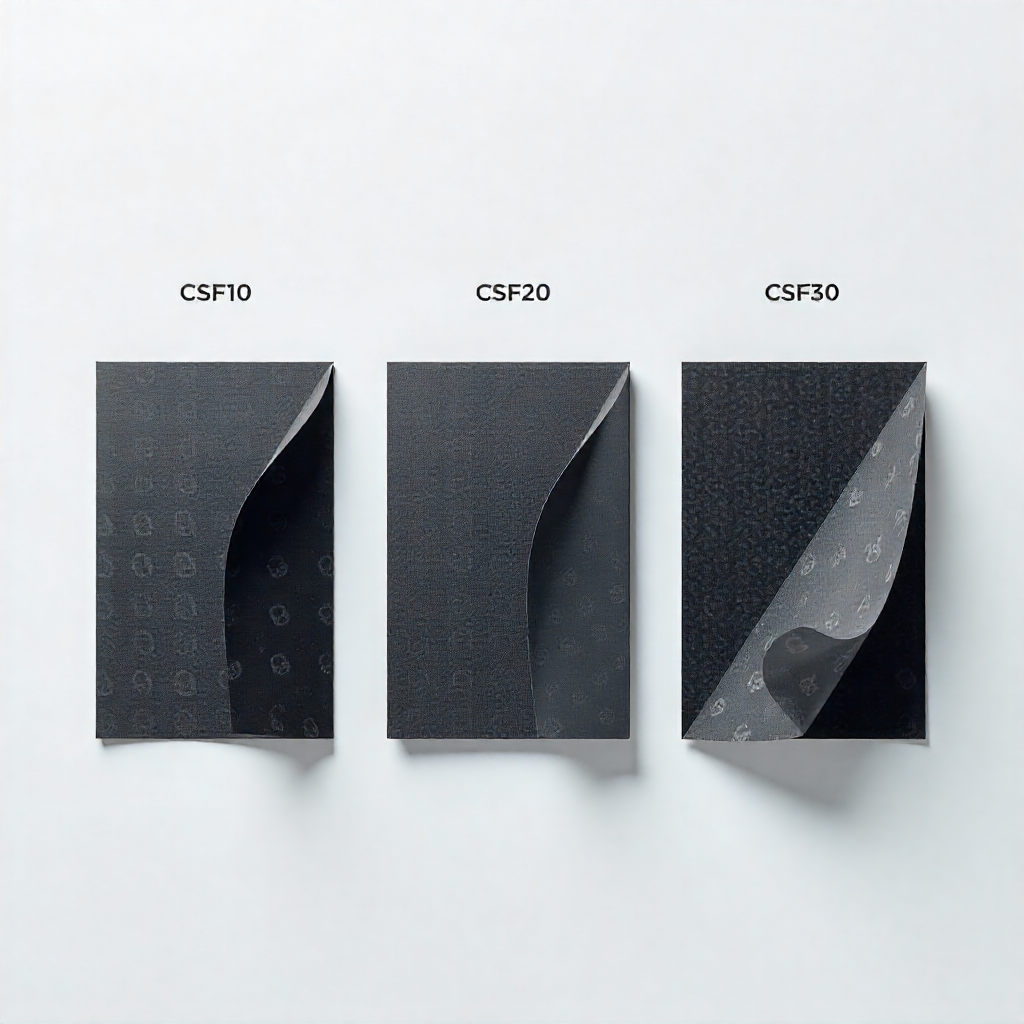
- Surface Engineering: Some TIMs are supplied with engineered release liners or surface treatments that provide a non-tacky, low-friction handling surface until the moment of application.
- Tooling Compatibility Testing: For critical, high-volume lines, it is prudent to run extended cycle testing with the TIM candidate to evaluate its long-term interaction with your specific automation equipment.
A TIM that is gentle on your tooling is an investment in unscheduled downtime prevention and consistent assembly quality. We formulate our materials with an understanding of the full manufacturing ecosystem, balancing ultimate thermal performance with the practical need for clean, reliable, and non-damaging automated handling.