From Prototype to Production: The Complete Guide to Ordering Custom Die-Cut Thermal Pads
Off-the-shelf squares and rectangles often don’t fit. When your design has unique component layouts, odd shapes, or requires multiple pads in a single piece, custom die-cutting is the solution. Navigating this process efficiently requires clear communication and understanding of both design and manufacturing constraints.
The Step-by-Step Process with Your Supplier:
- Define Requirements Internally:
- Material: Thermal conductivity, thickness, hardness (durometer), adhesion (PSA or bare), dielectric strength.
- Shape & Dimensions: Precise 2D outline. Identify critical tolerances (±0.1mm vs ±0.5mm).
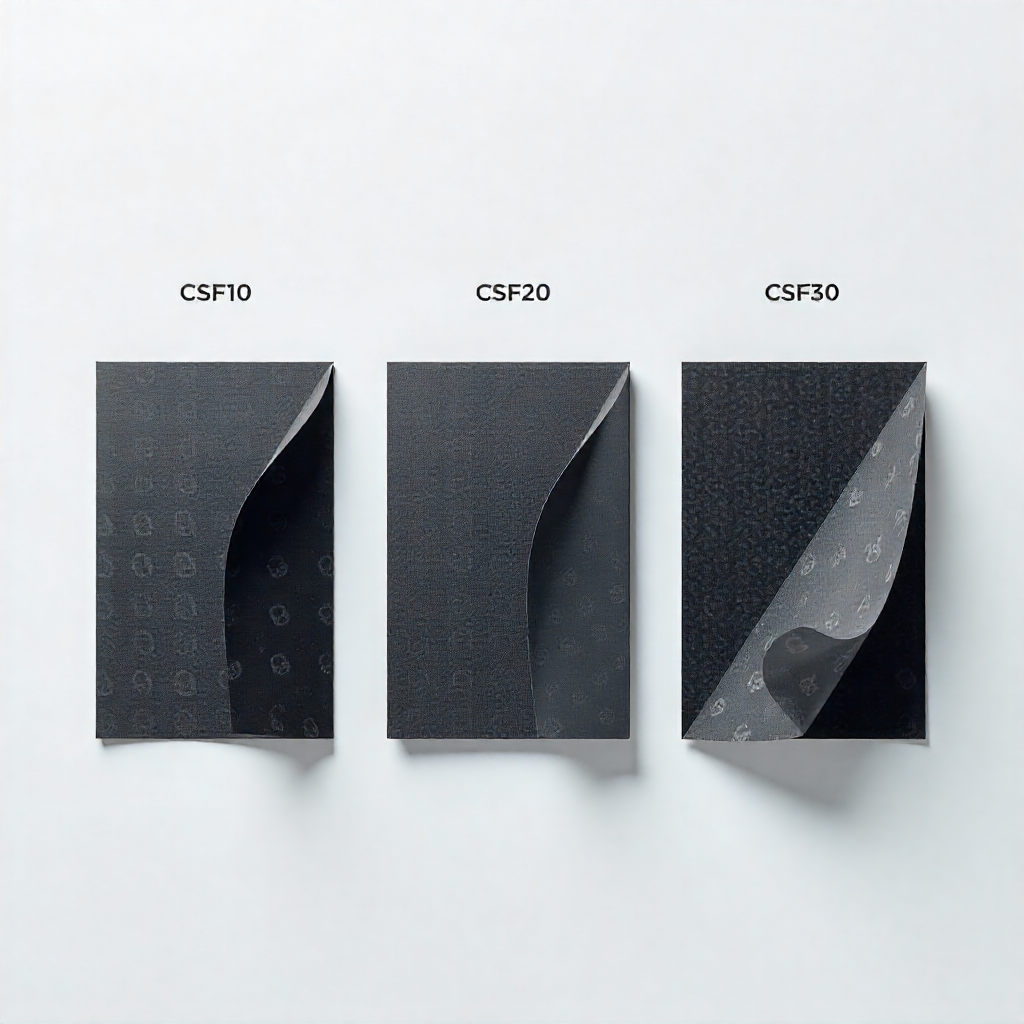
- Liner/Release Film: Standard polyester? Or specialized for automated pick-and-place?
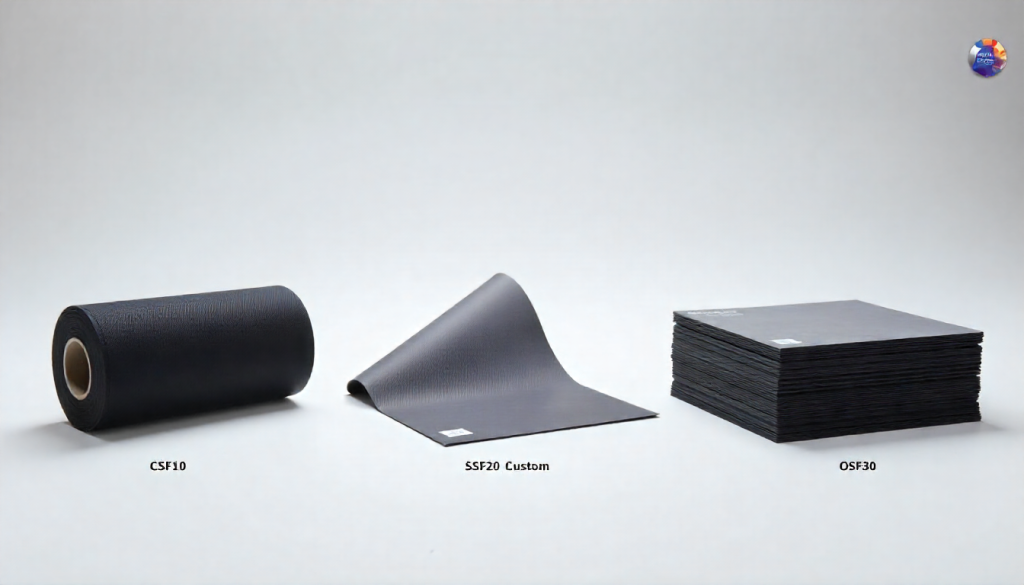
- Packaging: Loose, on rolled liners, or in stacked trays for automation?
- Provide Actionable Data to the Supplier: A clear 2D vector drawing (DXF or DWG file) is essential. Include:
- All critical dimensions.
- Cut lines (through-cut) and kiss-cut lines (if a PSA pad needs to remain on a carrier frame).
- Grain direction (important for anisotropic materials like graphite).
- Part identification text/markings if needed.
- Understand Cost Drivers:
- Tooling (NRE – Non-Recurring Engineering): A one-time cost to fabricate the precision cutting die. Complex shapes and tight tolerances increase cost.
- Material Waste: The supplier will “nest” your shape on the master roll of material to minimize waste. Inefficient nesting = higher part cost.
- Volume: Higher quantities amortize the tooling cost and improve material yield.
- Secondary Operations: Features like adhesive masking, multi-layer laminations, or special packaging add cost.
Prototyping and Volume Ramp:
- First Articles: Always request and test first article samples before production. Verify fit, function, and thermal performance.
- Design for Manufacturability (DFM): Work with your supplier’s engineer. Slightly rounding a sharp internal corner can drastically extend die life and reduce cost without affecting function.
- Scaling Up: Ensure the prototype material is the same formulation planned for volume. A pilot run is wise before committing to a full production order.
A successful custom die-cut project is a partnership. By providing precise data and understanding the supplier’s process, you can obtain a reliable, cost-effective thermal solution perfectly tailored to your innovative design.