From Wax to Wonder: The Evolution of Phase Change Materials in Electronics Cooling
Today’s sophisticated phase change thermal pads are the result of decades of incremental innovation, driven by one relentless force: the rising heat flux of semiconductors. Understanding this journey highlights why modern materials are engineered as they are.
The Early Days (1970s-1980s): Simplicity and Limitations
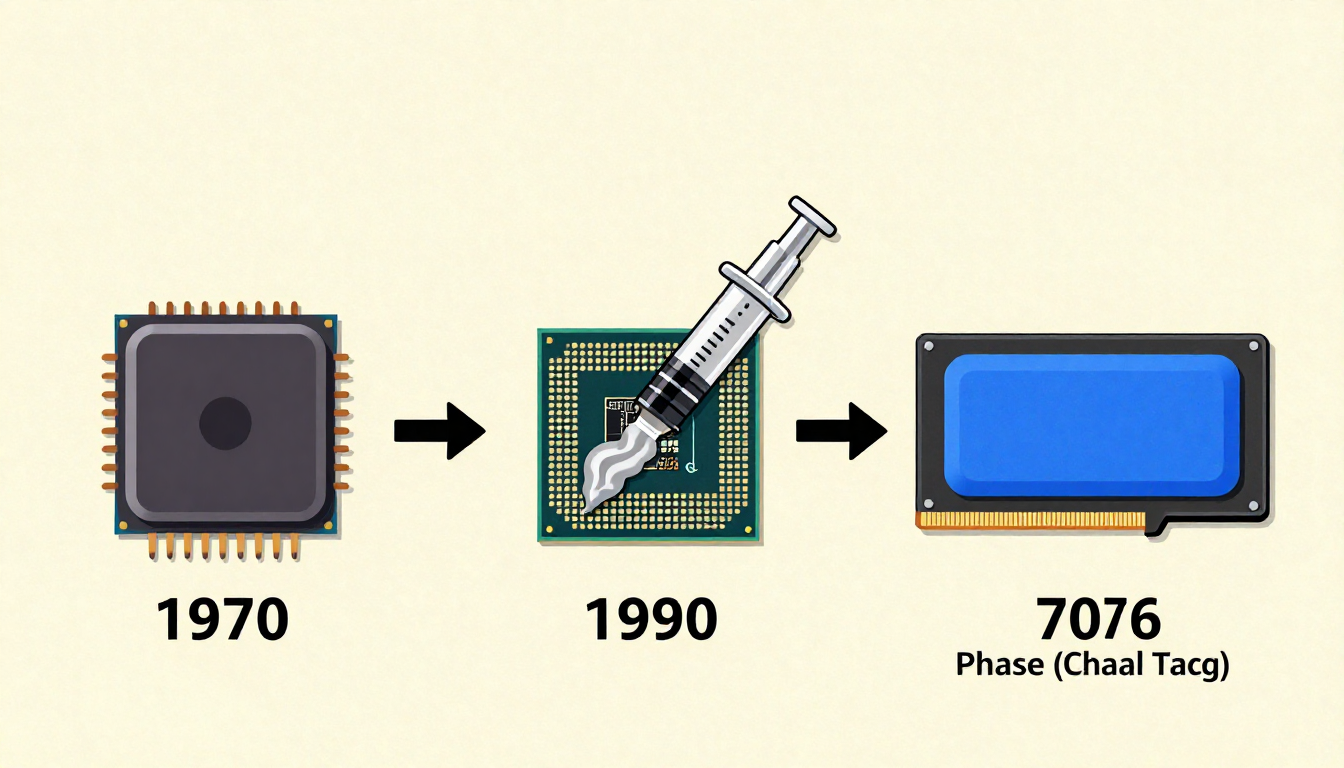
The earliest “thermal interface” was often just air—a terrible conductor. Engineers quickly moved to thermal greases (often zinc-oxide based) and even soft metal alloys or waxes for high-reliability applications. Grease was effective but messy, and pump-out was an identified problem from the start. Silicone pads emerged as a cleaner alternative for lower-power applications.
The PC Revolution (1990s-2000s): The Demand for Standardization
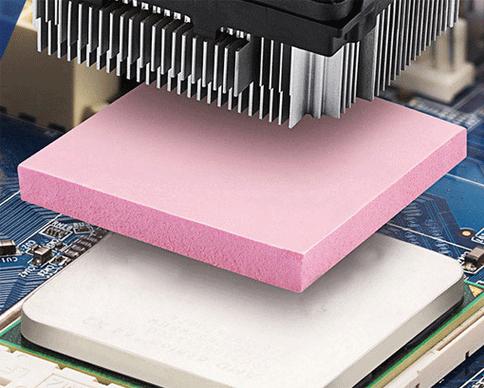
The explosion of the consumer CPU market, with clock speeds skyrocketing, created a massive demand for reliable, scalable TIMs. This era saw the standardization of aluminum-oxide and boron-nitride filled silicone pads and greases. The focus was on consistent manufacturability and cost for volumes previously unseen. The concept of “phase change” materials entered the mainstream, initially as wax-based sheets that melted to improve contact.
The Modern Era (2010s-Present): Engineering for Extremes
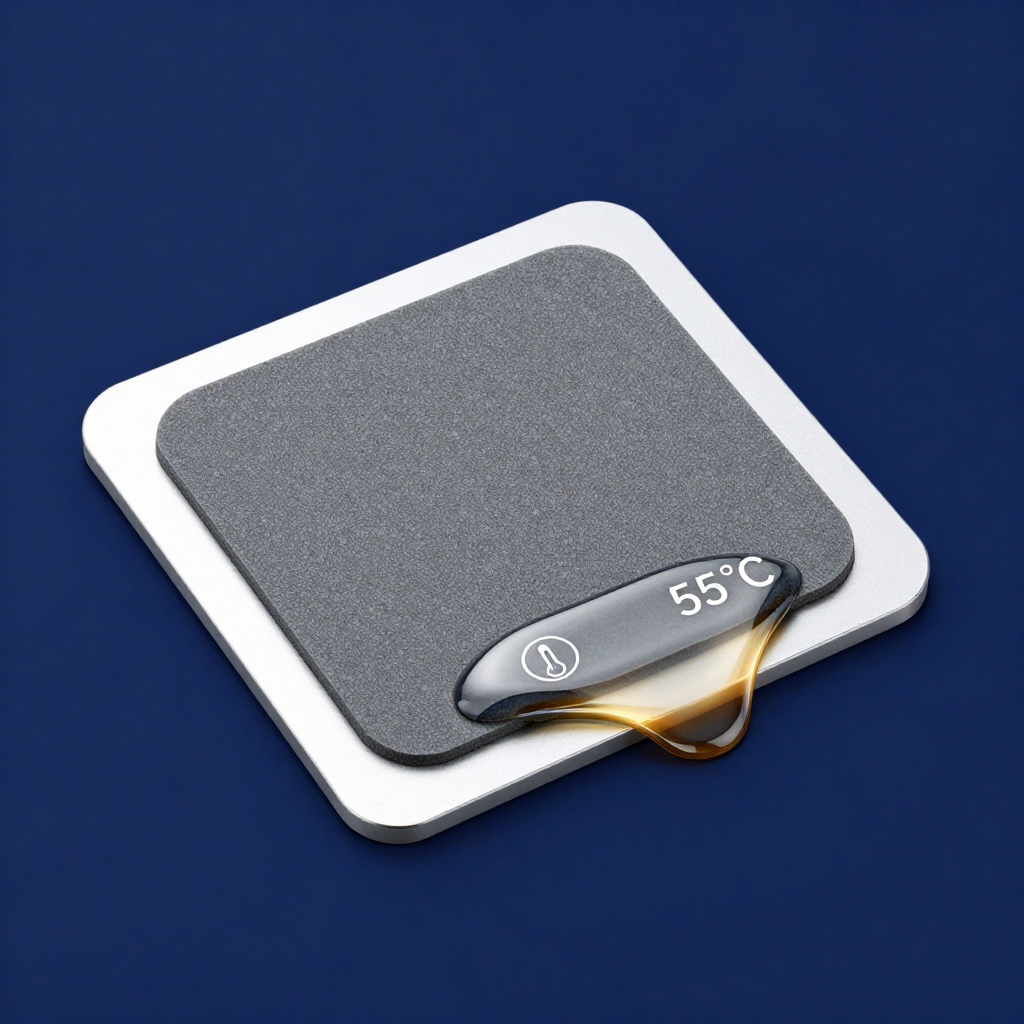
With the advent of multi-core CPUs, GPUs, and power-dense GaN/SiC devices, the limits of traditional materials were reached. Modern phase change materials are no longer simple waxes but engineered polymer matrices with optimized filler blends (graphite, ceramic, etc.). They are designed not just for initial performance, but for long-term stability under thermal cycling, low outgassing, and precise application in automated factories.
This evolution shows that TIM development is a direct response to semiconductor roadmaps. The SP180 Phase Change Pad stands on the shoulders of this history, incorporating lessons from decades of material science to solve today’s—and tomorrow’s—thermal challenges.