How to Choose the Best Thermal Paste for Your CPU in 2024
Choosing the right thermal paste is a small but critical step in any PC build or CPU cooler upgrade. With claims of ultra-high conductivity and various types on the market, the choice can be confusing. This guide cuts through the marketing to help you select the optimal thermal interface for your specific CPU and skill level.
Understanding Thermal Paste Types:
- Silicone & Ceramic-Based (e.g., Arctic MX-6): The standard. Contains non-conductive ceramic/metal oxide fillers. Safe, easy to use, and offers excellent performance for 99% of users. They balance longevity and thermal conductivity (typically 6-10 W/m·K).
- Metal-Based (e.g., Thermal Grizzly Kryonaut): Contains micro-sized particles of silver or aluminum. Offers slightly higher conductivity but is often electrically capacitive—a spill could short components. Best for experienced builders.
- Liquid Metal (e.g., Conductonaut): Contains gallium alloys. Offers the highest possible conductivity but is electrically conductive and corrosive to aluminum. Use only for direct-die cooling (delidding) or between an IHS and copper heatsink, never on aluminum.
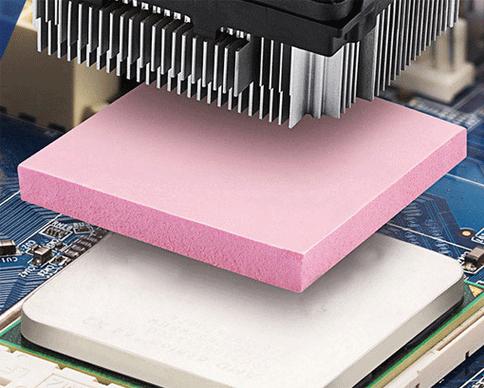
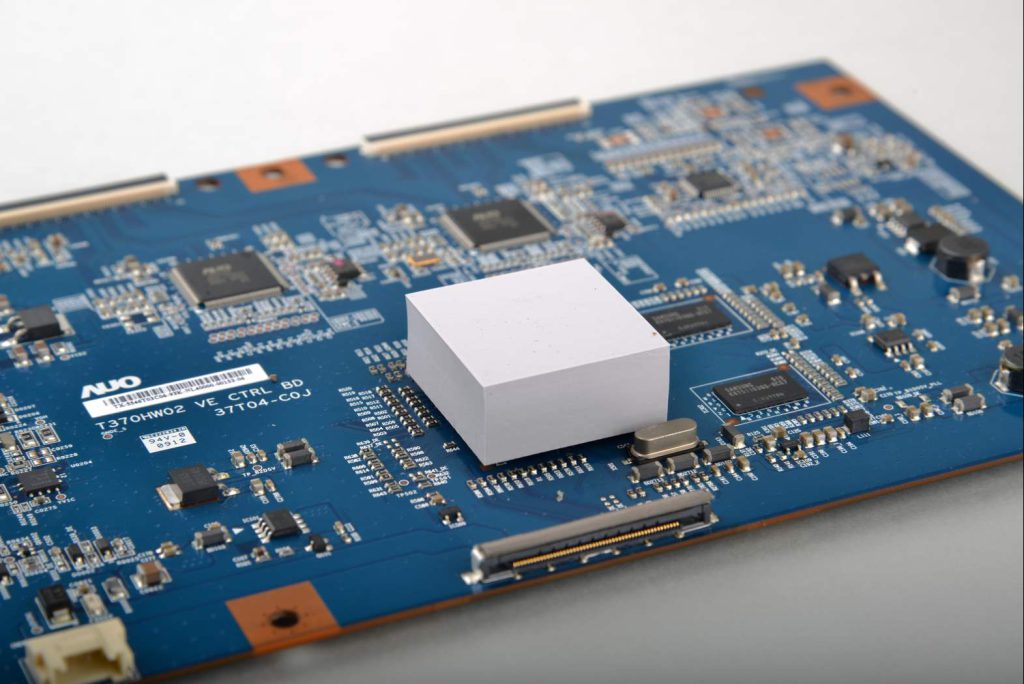
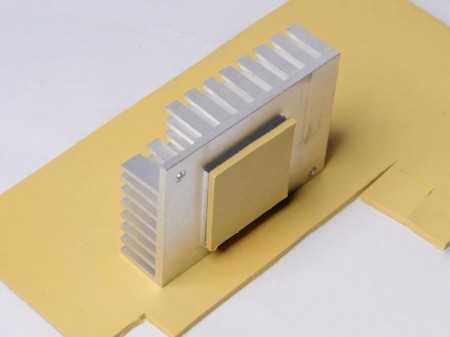
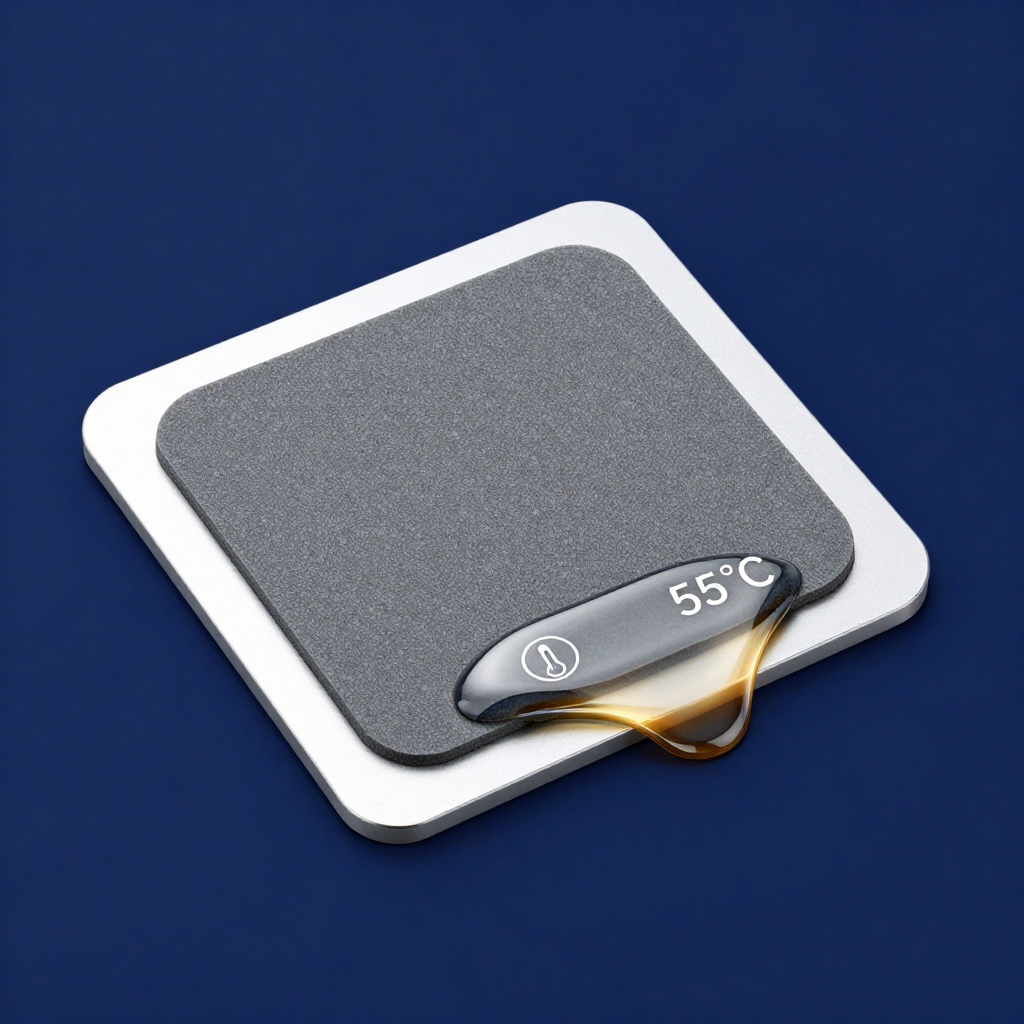
- Phase Change Pads (e.g., SP180): A solid sheet that melts to a paste-like consistency. Provides consistent, mess-free application and excellent long-term stability without pump-out. Ideal for a clean, repeatable install.
Key Selection Factors:
- Safety First: If you’re a beginner, stick with a trusted non-conductive, non-capacitive paste.
- Performance vs. Practicality: The difference between a good paste (8 W/m·K) and a great one (12+ W/m·K) is often only 1-3°C under load. Ease of application and longevity are often more valuable.
- Longevity: Most quality pastes last 3-5 years. If you don’t want to repaste, consider a phase change pad for its resistance to drying and pump-out.
Application Myth Busting:
The “best” method is one that gives full, thin coverage without air bubbles. The pea-sized dot in the center is universally reliable for modern CPUs. Spreading can trap air. Remember, the goal is the thinnest possible layer to fill microscopic gaps.
For a balance of performance, safety, and value, a high-quality ceramic or silicone-based paste is the champion. For those seeking the ultimate in stability and clean installation, a pre-cured phase change thermal pad is a superior modern alternative.