Industrial TIMs: Cooling for Drives, PLCs & Heavy Machinery
The factory floor is a punishing environment for electronics. Industrial automation systems—encompassing motor drives, programmable logic controllers (PLCs), and power inverters—must operate 24/7 amid conductive dust, corrosive chemicals, humidity, and constant vibration. In this setting, thermal management for industrial power electronics is not merely about performance; it’s about building resilience and maximizing mean time between failures (MTBF) to prevent costly production stoppages.
Conquering Contamination and Mechanical Stress
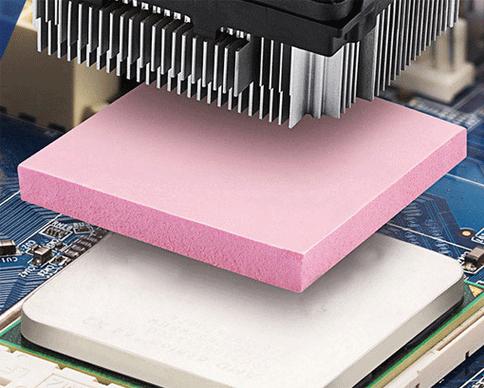
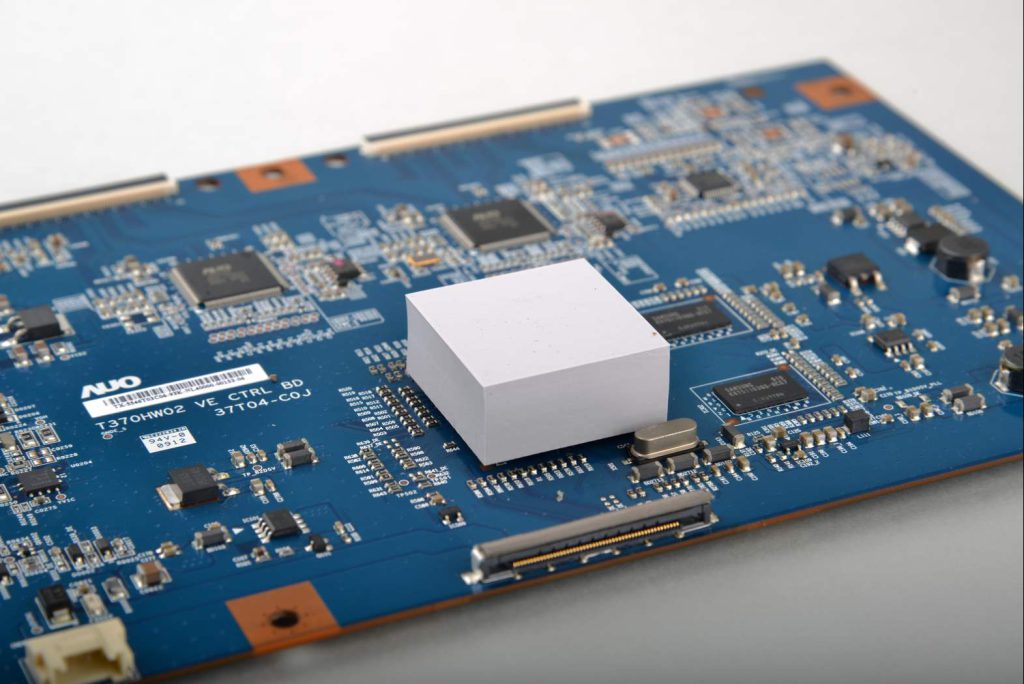
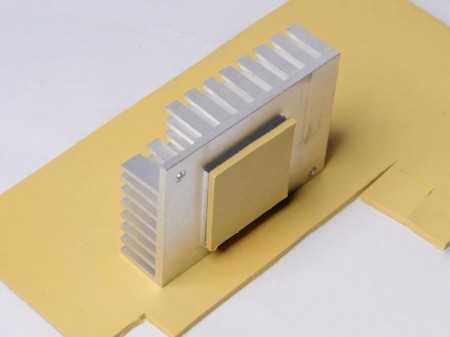
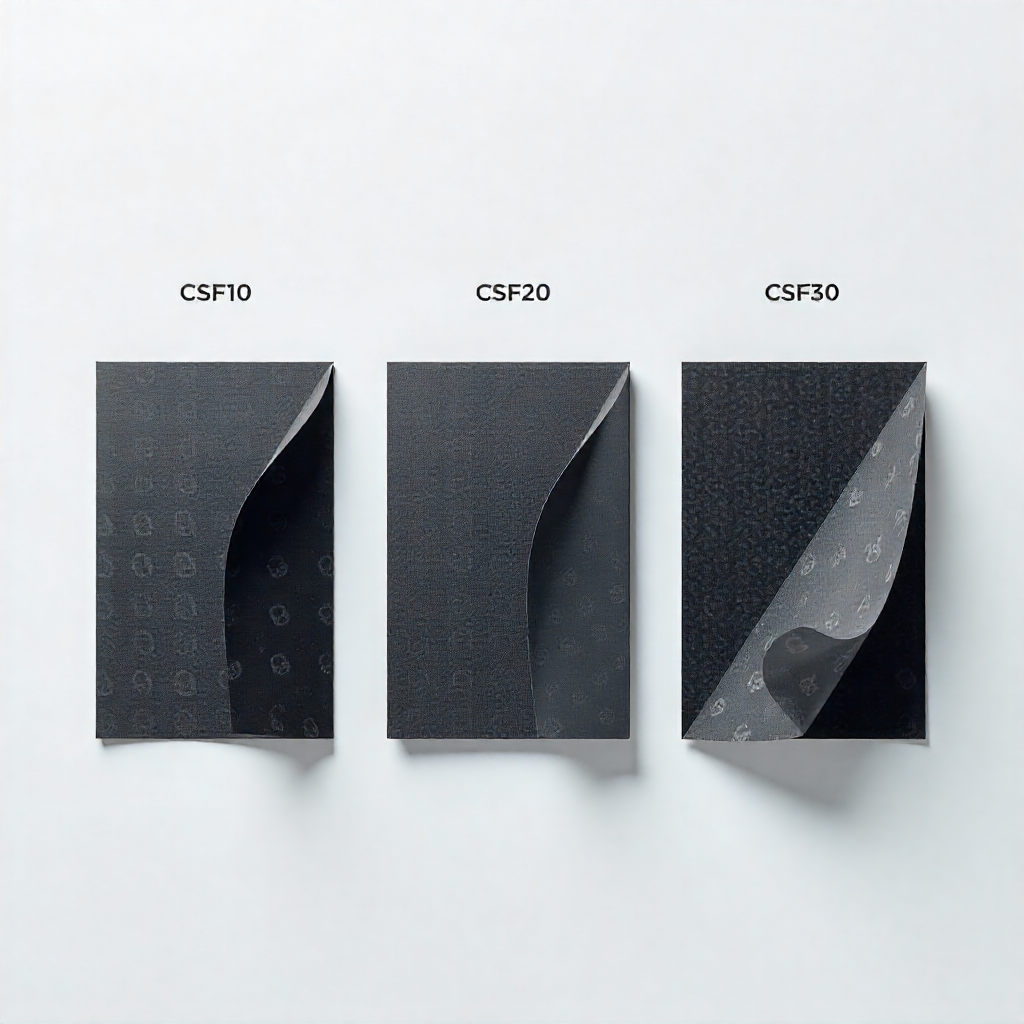
Unlike controlled lab environments, industrial settings introduce particulates that can settle on components and interfaces. Conformal and adhesive thermal gap filling pads that create a seal around components can help prevent dust ingress on PCB thermal surfaces. Furthermore, the relentless vibration from heavy machinery can cause thermal pad walk-out or pump-out over time. Selecting materials with strong bonding strength to uneven surfaces and a proven resistance to shear forces is essential. For outdoor industrial enclosures, TIMs must also withstand UV degradation and wide ambient temperature swings.
Cooling High-Power, High-Voltage Components
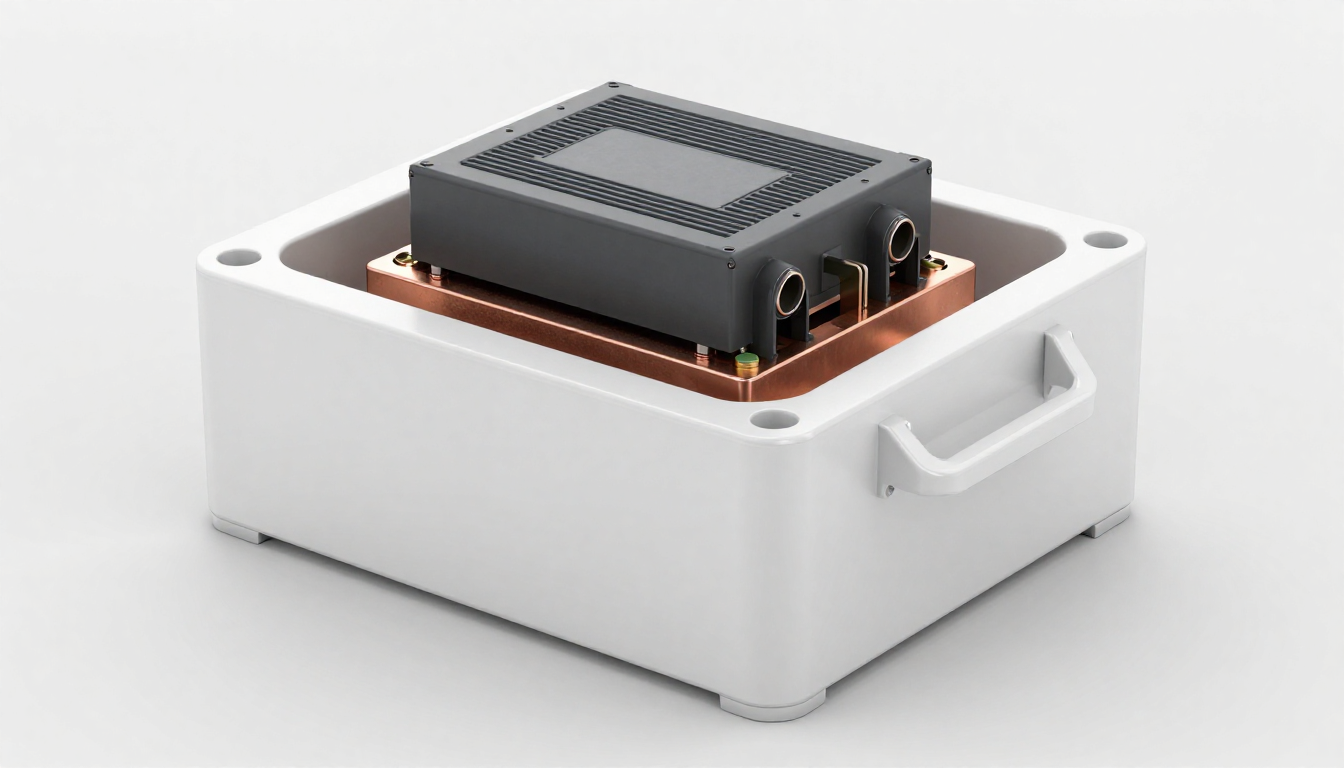
- Variable Frequency Drives (VFDs) & Servo Drives: The IGBT modules in motor drives are the primary heat source. Using thermally conductive but electrically insulating pads with high dielectric strength for medium voltage applications (e.g., >2kV) is standard practice to isolate these live components from the heatsink/chassis.
- Uninterruptible Power Supplies (UPS) & Rectifiers: These systems run continuously. Thermal interface materials for transformer and inductor cooling often need to accommodate large gaps and rough cast surfaces, making soft, putty-like thermal compounds or thick, compressible gap pads the ideal choice.
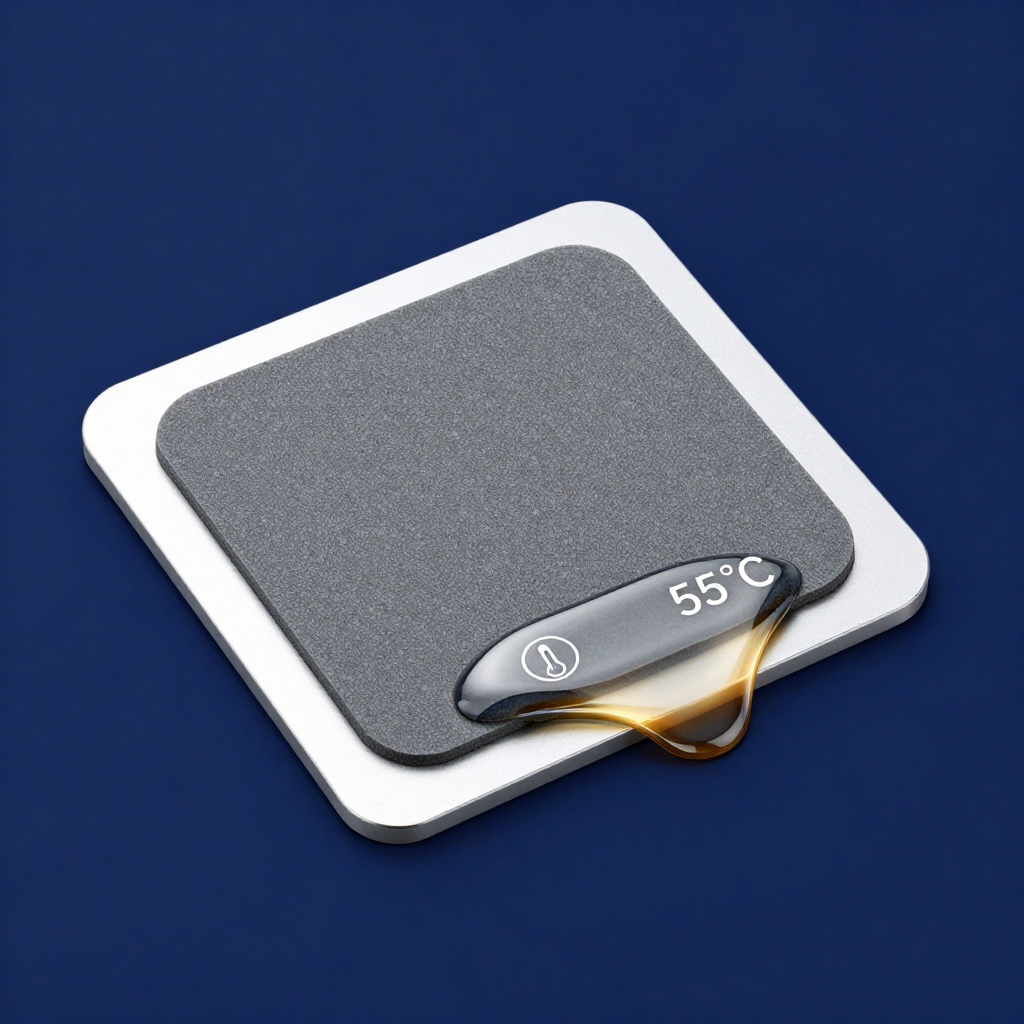
- Industrial PCs and Gateways: The brains of the automation system also need cooling. In compact DIN-rail mounted PLC enclosures, thin graphite sheets or phase-change materials provide effective heat spreading in severely space-constrained conditions.
The Cost of Downtime vs. Solution Cost
In industrial automation, the financial impact of unexpected downtime can dwarf the price of premium components. Therefore, the selection criteria for TIMs shifts decisively toward long-term reliability in harsh conditions and ease of maintenance. Using pre-applied thermal pads on replacement power modules can simplify field servicing. The ultimate goal is to protect the operational integrity of manufacturing control systems, ensuring that heat management is a solved variable, allowing engineers to focus on throughput and quality. Investing in robust thermal interface solutions for heavy industry is a direct investment in production continuity and asset longevity.