LED Thermal Management, Lighting Design, Heat Sinking, Thermal Adhesive, Thermal Pads
LEDs are efficient, but the energy they don’t turn into light becomes heat at the tiny semiconductor junction. If this heat isn’t quickly drawn away, the LED’s lifespan plummets and its light output drops—a process called luminous decay. Effective thermal management isn’t optional; it’s the foundation of a reliable LED product.
The Heat Path: From Junction to Ambient
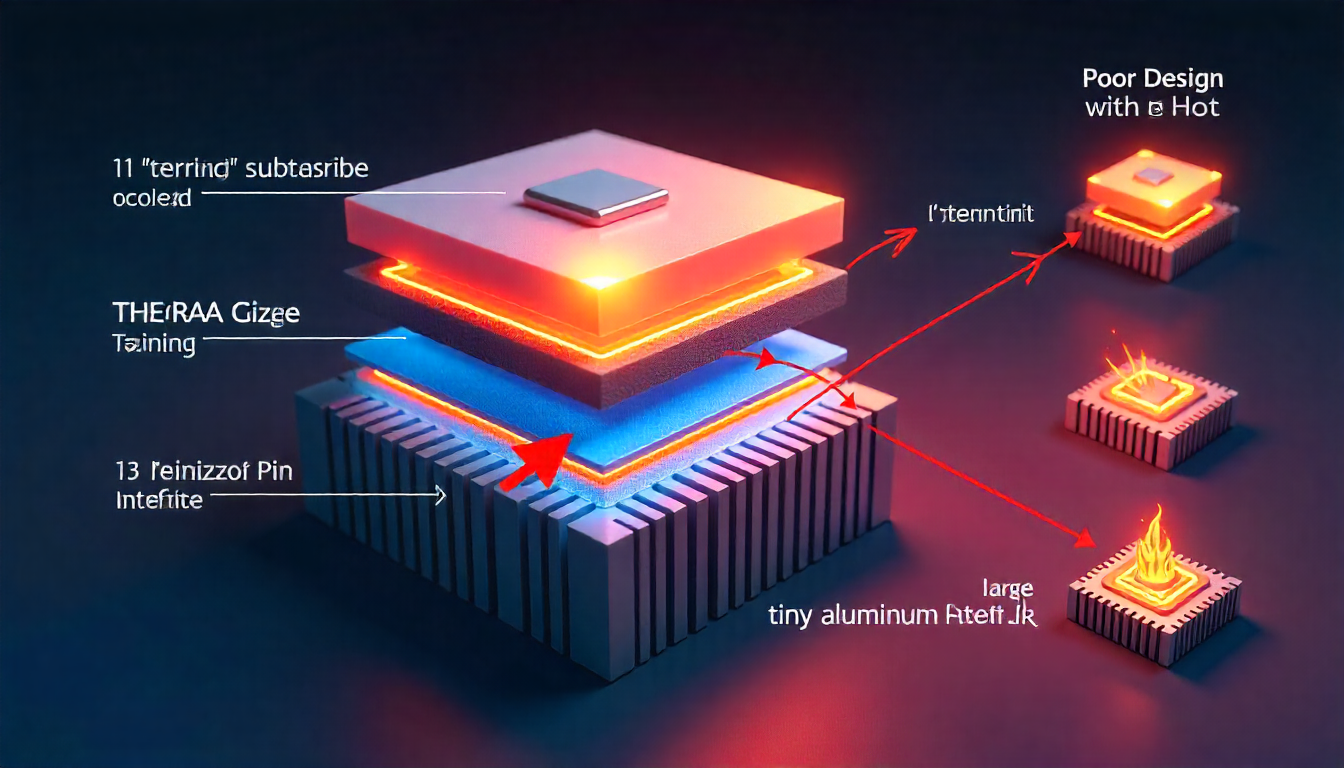
Heat must travel from the LED chip (junction) through several layers to the outside air:
- Die Attach: The material bonding the LED chip to its substrate. Often a solder or conductive epoxy.
- Substrate: The base (e.g., aluminum PCB, ceramic). This spreads heat laterally.
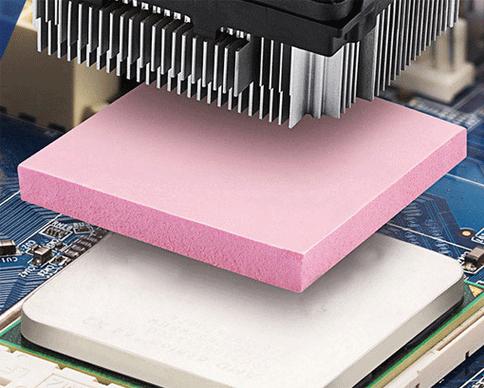
- TIM (The Critical Link): The interface between the substrate and the primary heatsink (e.g., metal housing, heat pipe frame). This is where most thermal bottlenecks occur due to air gaps.
- Heatsink: The final mass that radiates/convects heat to ambient air.
Choosing the Right TIM for Your LED Project:
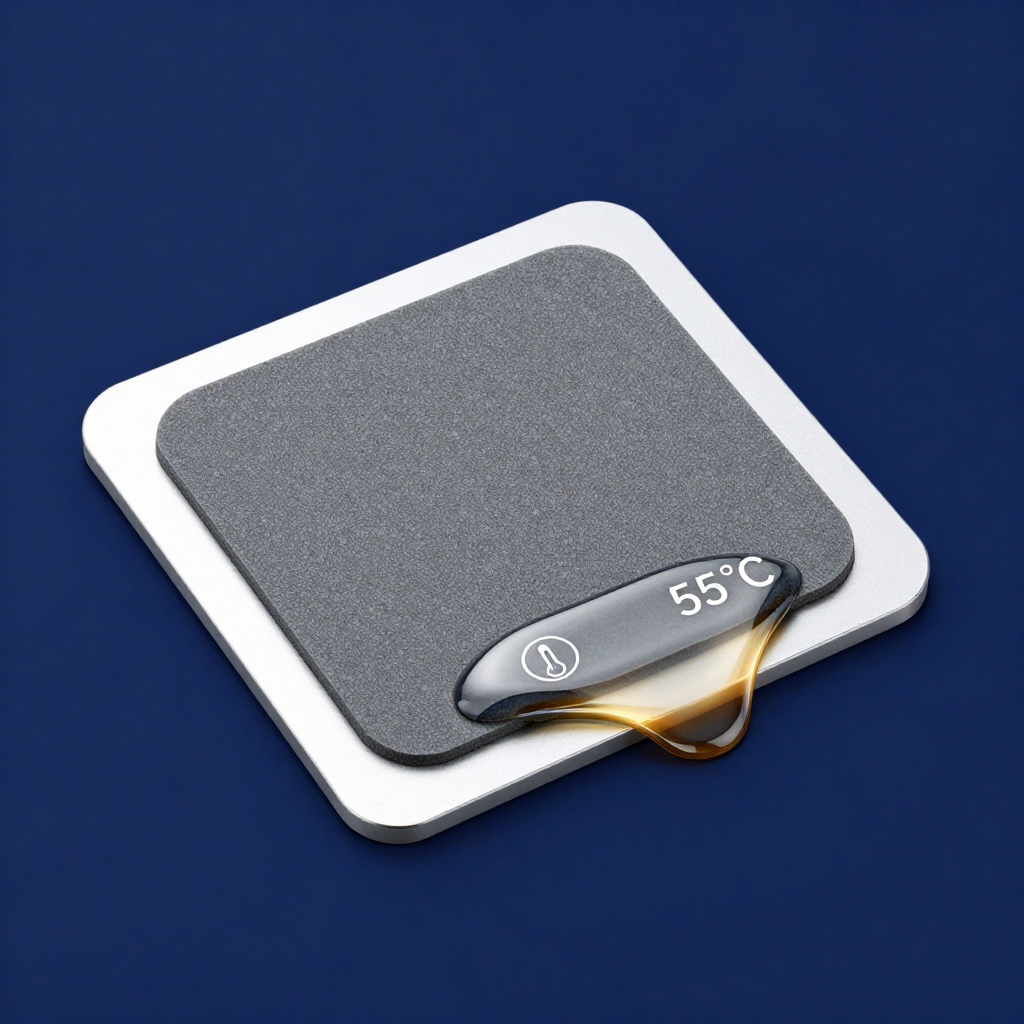
- High-Power COB LEDs & Modules: These generate concentrated heat. Use a soft thermal pad (1-3 W/m·K) or a dispensable thermal grease for maximum conduction from the metal-core PCB to a large heatsink.
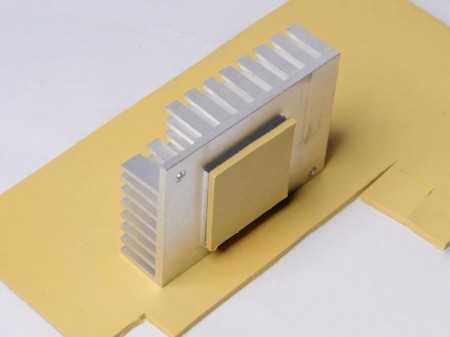
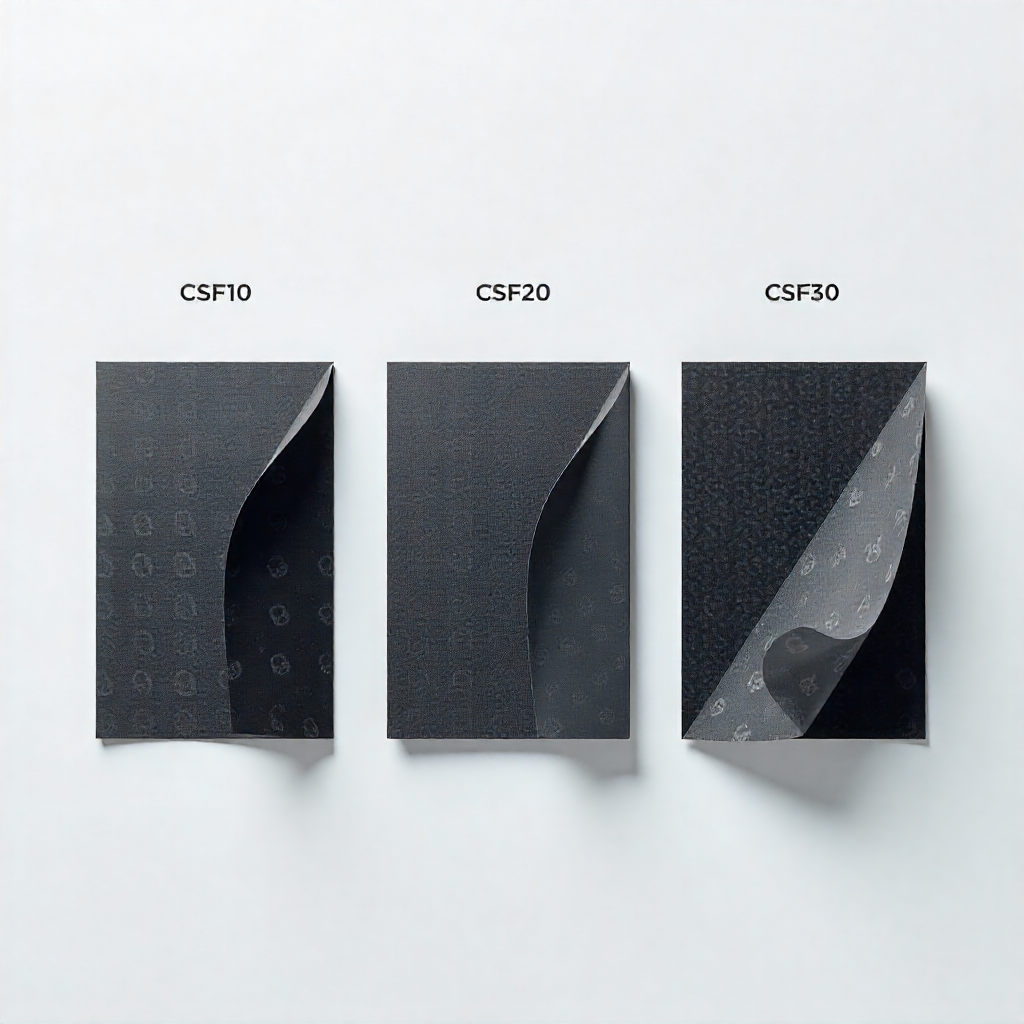
- LED Strips & Linear Lighting: For attaching strips to an aluminum channel, double-sided thermally conductive adhesive tape is popular for its convenience. For best performance, use a thermal pad and then mechanically clamp the strip.
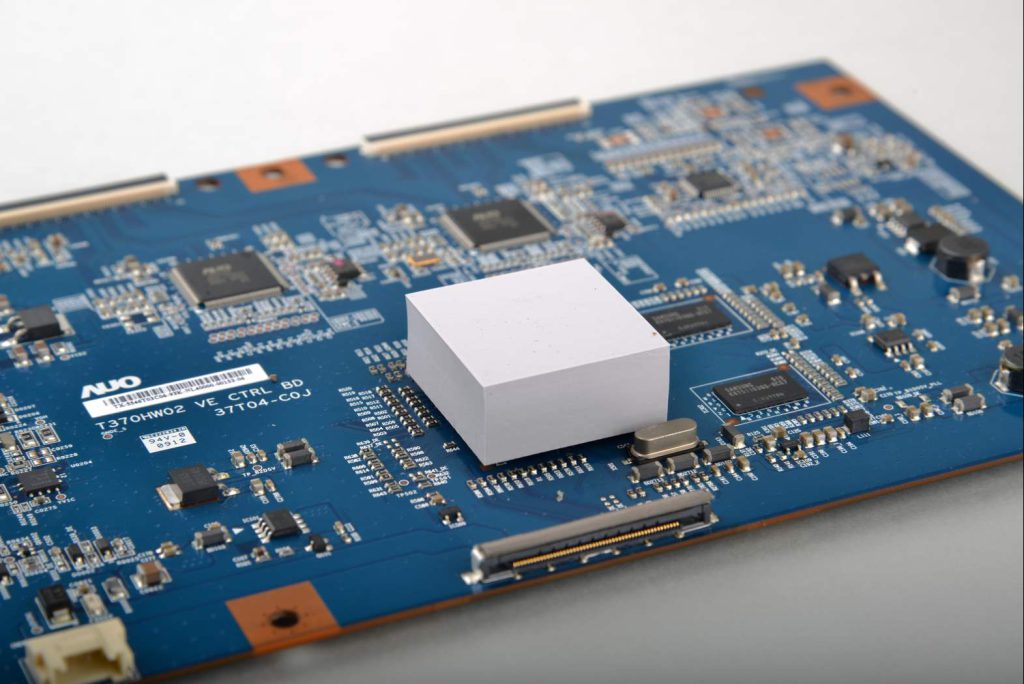
- LED Drivers & Controllers: These components also need cooling. Use thermally conductive but electrically insulating pads to isolate components while transferring heat to the enclosure wall.
Pro Design Tips:
- Maximize Contact Area: Ensure both the LED substrate and heatsink surfaces are flat and clean.
- Think Beyond the Chip: The LED driver’s components also need thermal management to prevent premature failure.
- Use Thermal Simulation: For complex designs, simple software can model heat spread and identify hot spots before you build a prototype.
A well-executed thermal interface can double or triple an LED system’s lifespan and maintain stable light output. Don’t let a poor TIM choice dim your design.