Managing Extreme Heat Flux: The Role of Phase Change Materials in SiC and GaN Power Electronics
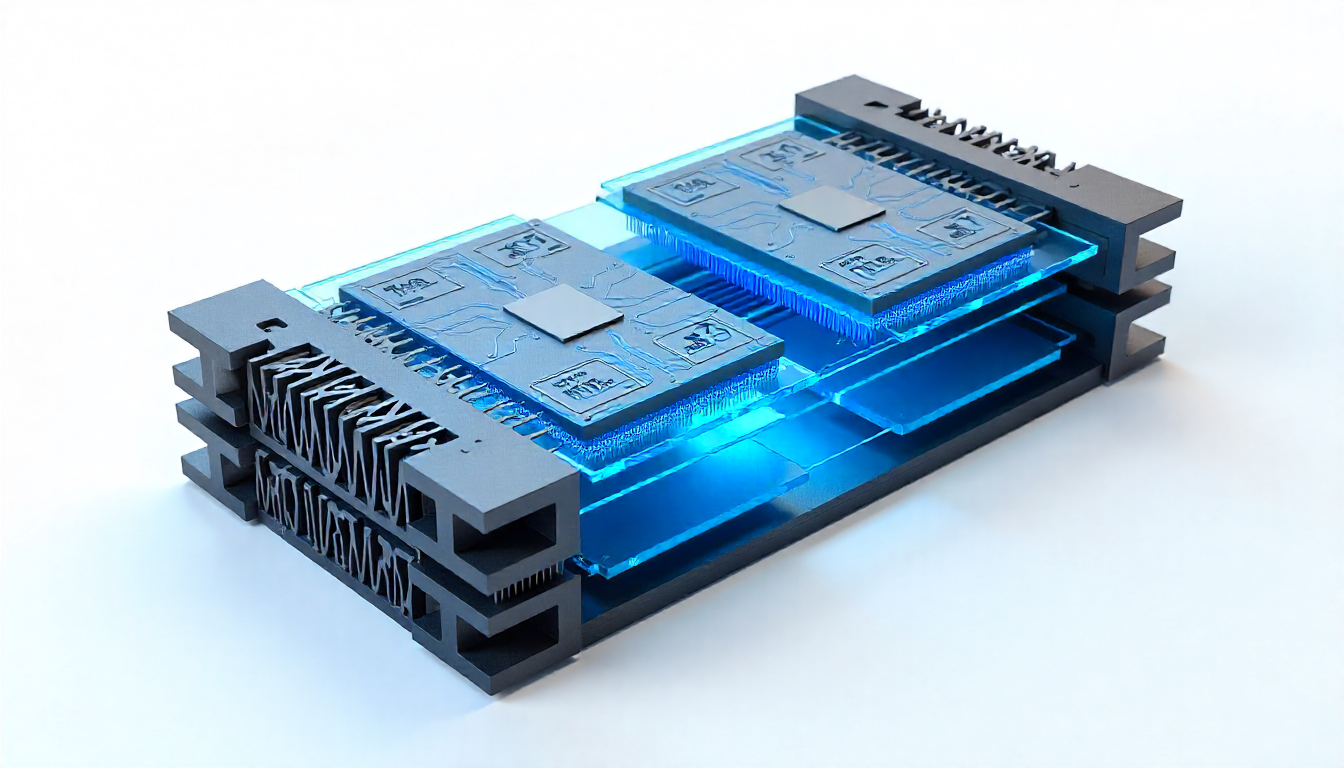
The adoption of Silicon Carbide (SiC) and Gallium Nitride (GaN) semiconductors is revolutionizing power electronics, enabling smaller, faster, and more efficient converters. However, their higher switching frequencies and power densities concentrate heat into smaller areas, resulting in extremely high heat flux that challenges conventional cooling strategies.
The thermal interface material (TIM) in these systems becomes a bottleneck more critical than ever. The goal is to minimize the junction-to-case thermal resistance (Rth-jc) to keep the semiconductor within its safe operating area and maximize its performance advantages.
Why standard solutions may falter:
- High Continuous Temperatures: SiC devices often operate at junction temperatures above 150°C, accelerating the dry-out of traditional greases.
- Demanding Reliability: Automotive and industrial applications require performance over thousands of hours without degradation.
Engineered phase change materials address these points directly:
- Stable Under High Heat: Formulated to maintain integrity and low thermal resistance at the elevated operating temperatures of SiC and GaN devices.
- Handles High Flux: The phase-change filling mechanism ensures optimal contact even under the localized heat of a tiny, high-power die.
- Ensures Longevity: The anti-pump-out property is vital for the reliability of high-power density converter designs subjected to intense thermal cycling.
For engineers moving to wide-bandgap semiconductors, selecting the TIM is not a secondary task—it is integral to unlocking the technology’s full potential. The TIM must be treated as a critical performance component in the thermal stack-up.
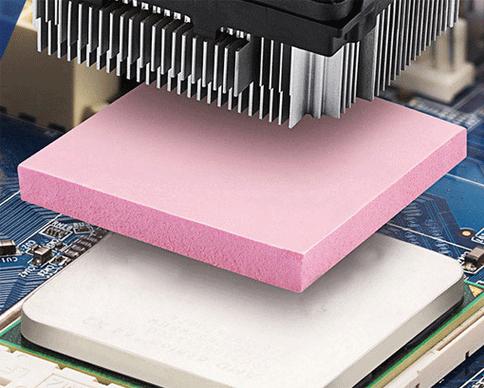
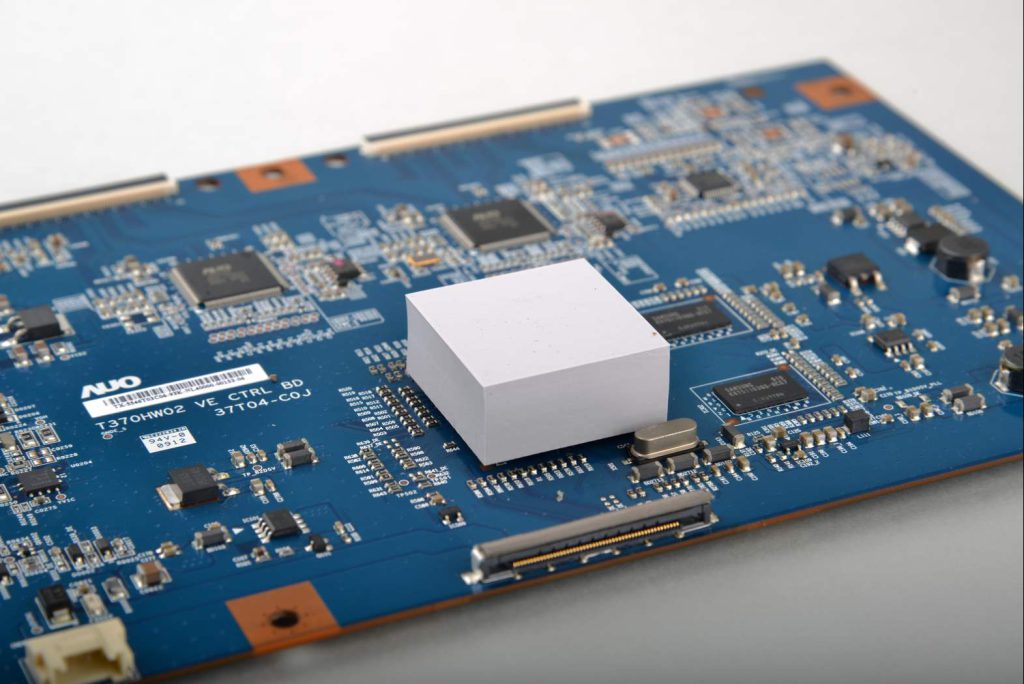
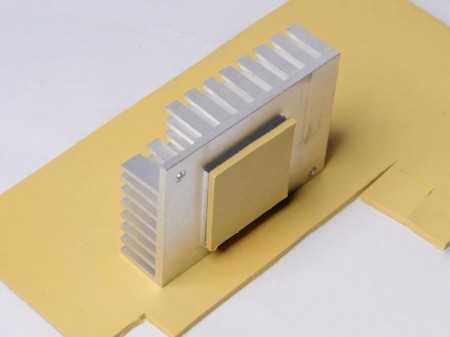
As you design your next high-frequency power converter or EV traction inverter, evaluate thermal interface materials with the same rigor as your semiconductor choice. The technical data for our high-temperature stable SP180 Phase Change Pad demonstrates its suitability for managing the intense heat flux of next-generation SiC and GaN power modules.