Maximizing Server Uptime: How Phase Change Materials Enhance Data Center Cooling Efficiency
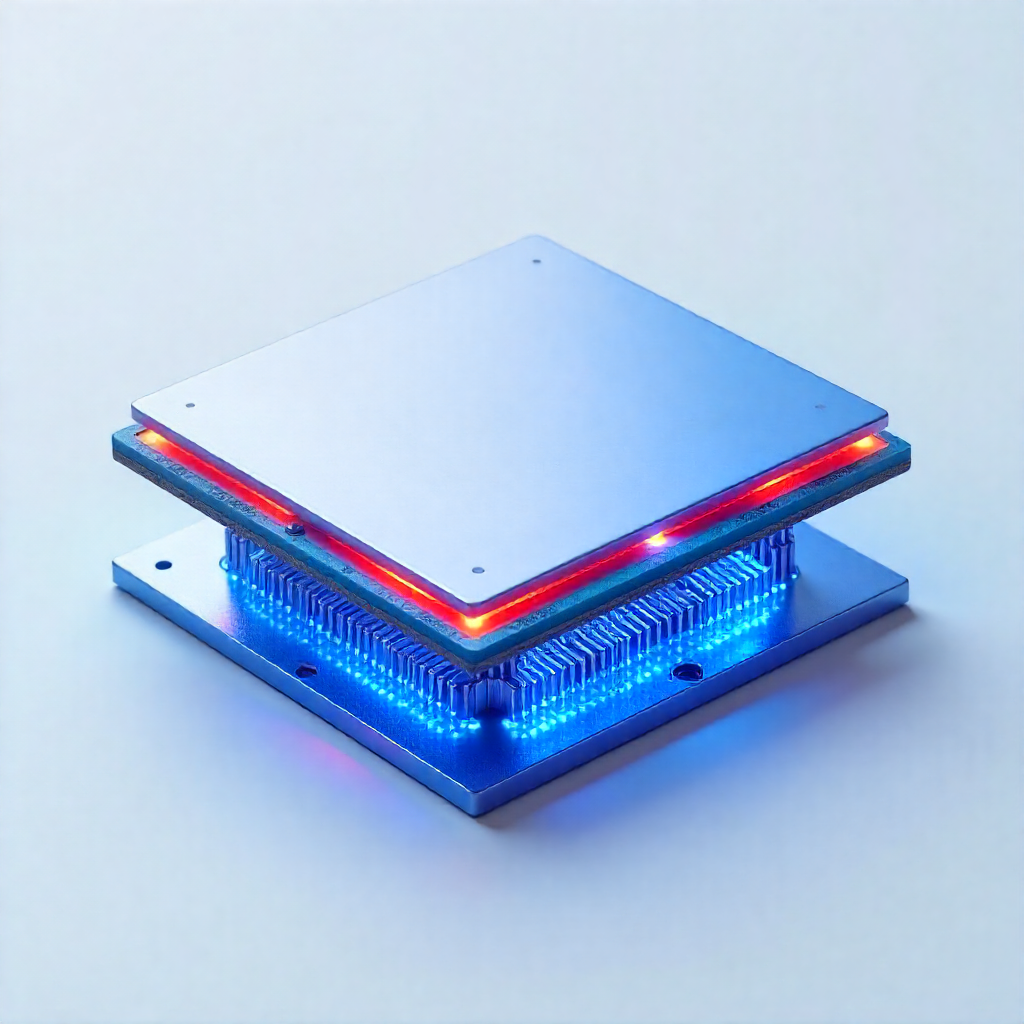
In the quest for lower Power Usage Effectiveness (PUE), data center operators focus on chillers and airflow. However, a critical component of efficiency lies at the microscopic level: the thermal interface between the CPU and the cold plate. Inefficient heat transfer here forces fans to spin faster, increasing power draw and risking thermal throttling that degrades computational performance.
As CPU core counts and TDPs rise, traditional thermal greases face challenges in high-heat-flux server environments. Over time, pump-out can create hotspots, leading to unpredictable performance and, in worst cases, hardware failure that impacts server uptime.
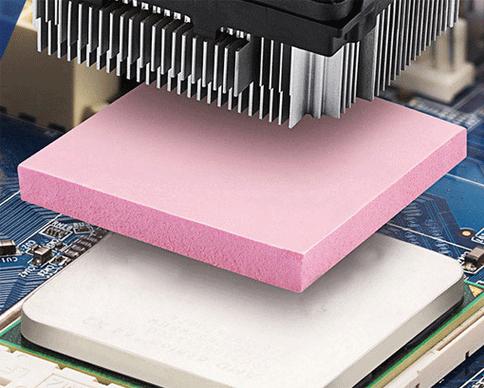
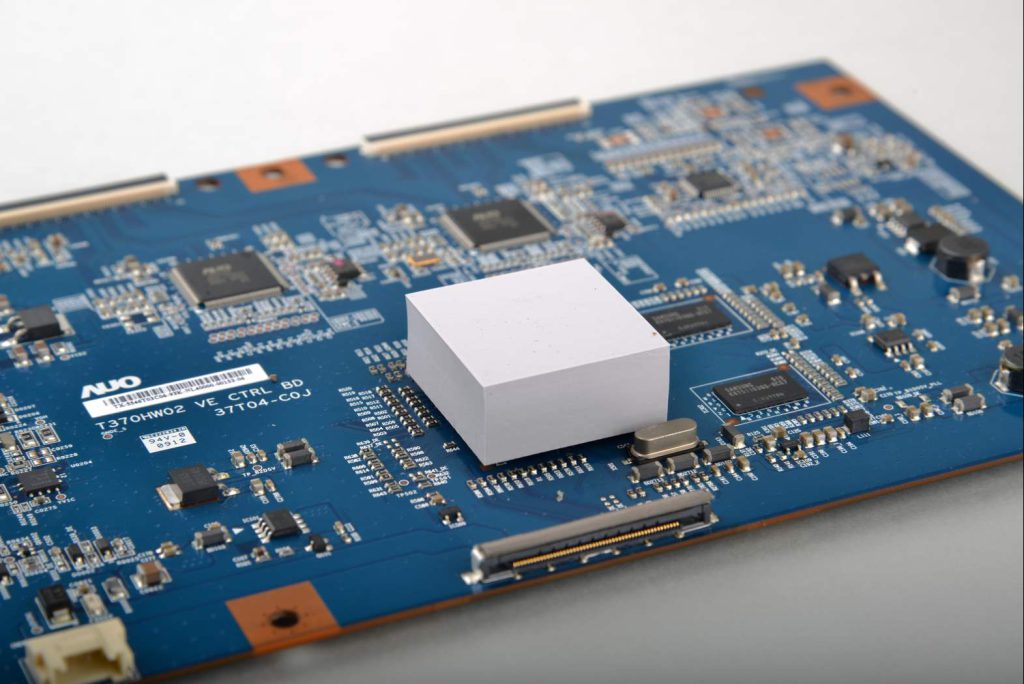
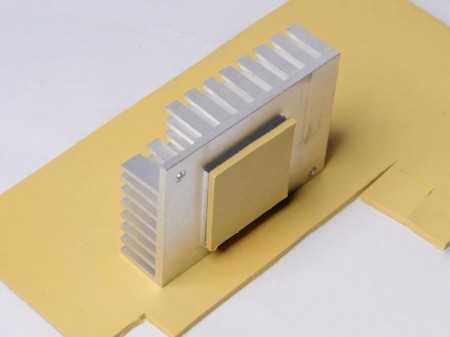
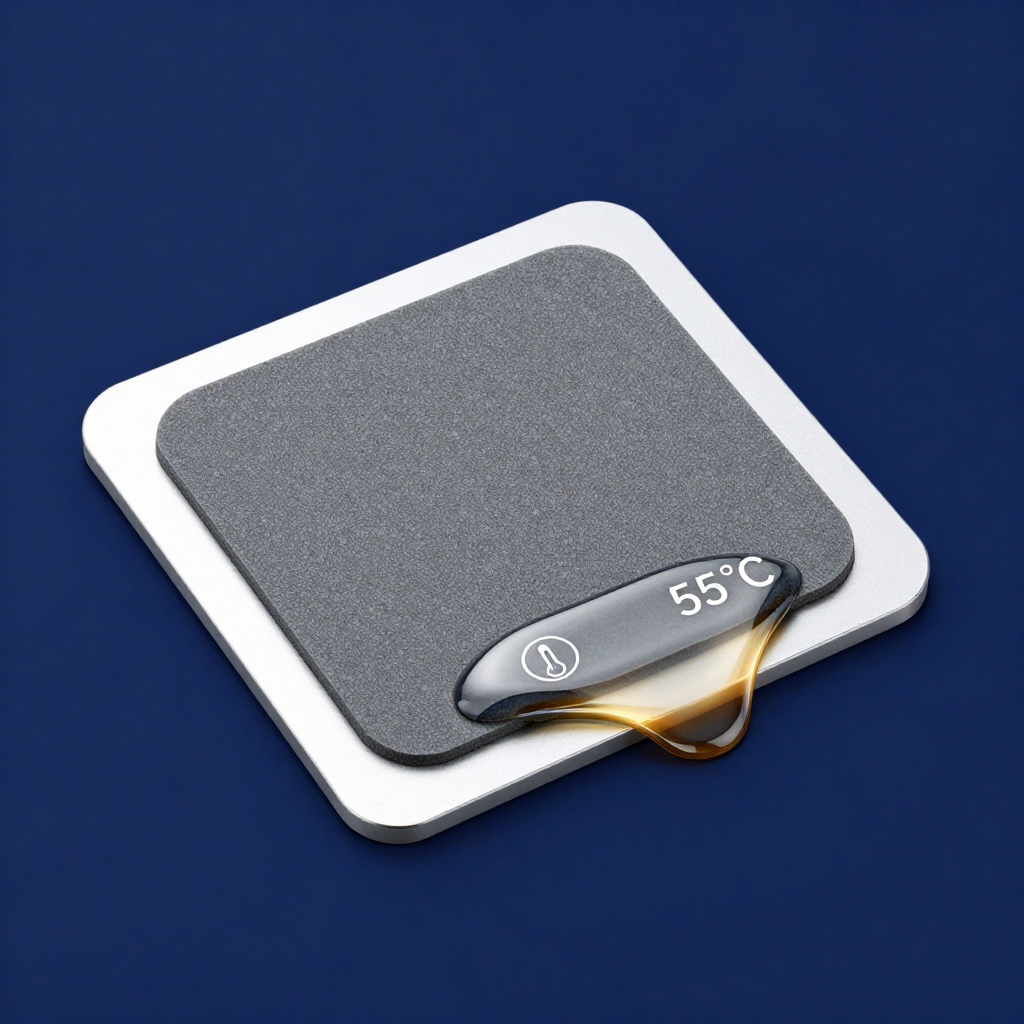
A growing solution is the adoption of high-reliability phase change thermal materials. These materials, such as the SP180 Phase Change Pad, are engineered for the 24/7 operational reality of data centers:
- Eliminates Degradation: The non-pump-out characteristic ensures the thermal resistance remains stable over years of continuous thermal cycling, a key factor in sustaining server cooling performance.
- Improves Contact: By flowing to perfectly conform to surfaces, it minimizes the interfacial temperature drop, allowing heat to be transferred to the cooling system more efficiently. This can contribute to a lower overall cooling load.
- Enables Predictability: Data center operators can model and predict thermal performance with greater accuracy over the hardware’s lifespan, aiding in capacity planning and reducing unexpected cooling-related incidents.
Integrating advanced thermal interface materials is a high-impact, low-complexity step toward improving data center resiliency and efficiency. For engineers specifying cooling solutions for next-generation servers, evaluating materials based on long-term stability is as important as initial performance.
Explore how a phase change thermal interface designed for servers can be part of your strategy to achieve a lower PUE and maximize computational uptime. The SP180 provides the consistent thermal performance required for modern, high-density data center workloads.