Modular System Cooling: TIMs for Hot-Swappable Components
The shift toward modular and reconfigurable computing architectures—from server blades in data centers to field-upgradable industrial systems—introduces unique thermal interface challenges. Unlike permanent installations, modular systems require TIMs that balance high thermal performance with the practical needs of repeated installation and removal cycles. This demands a new class of thermal interface materials for serviceable electronics that maintain reliability through dozens or even hundreds of maintenance cycles.
The Modular Thermal Dilemma
Modular designs create inherent thermal management contradictions:
- Performance vs. Serviceability: Permanent bonding solutions offer the best thermal performance but make component replacement difficult and time-consuming.
- Consistency Across Cycles: TIMs must deliver repeatable thermal performance after multiple reinstallations, a challenge for materials that degrade with handling.
- Gap Variation Management: Different modules may have slight dimensional variations, requiring TIMs that can accommodate manufacturing tolerances in modular assemblies.
- Contamination Resistance: Frequent handling increases the risk of contamination, necessitating TIMs with surface properties that resist dust and oil absorption.
Material Innovations for Serviceable Systems
Several material categories have emerged specifically for modular applications:
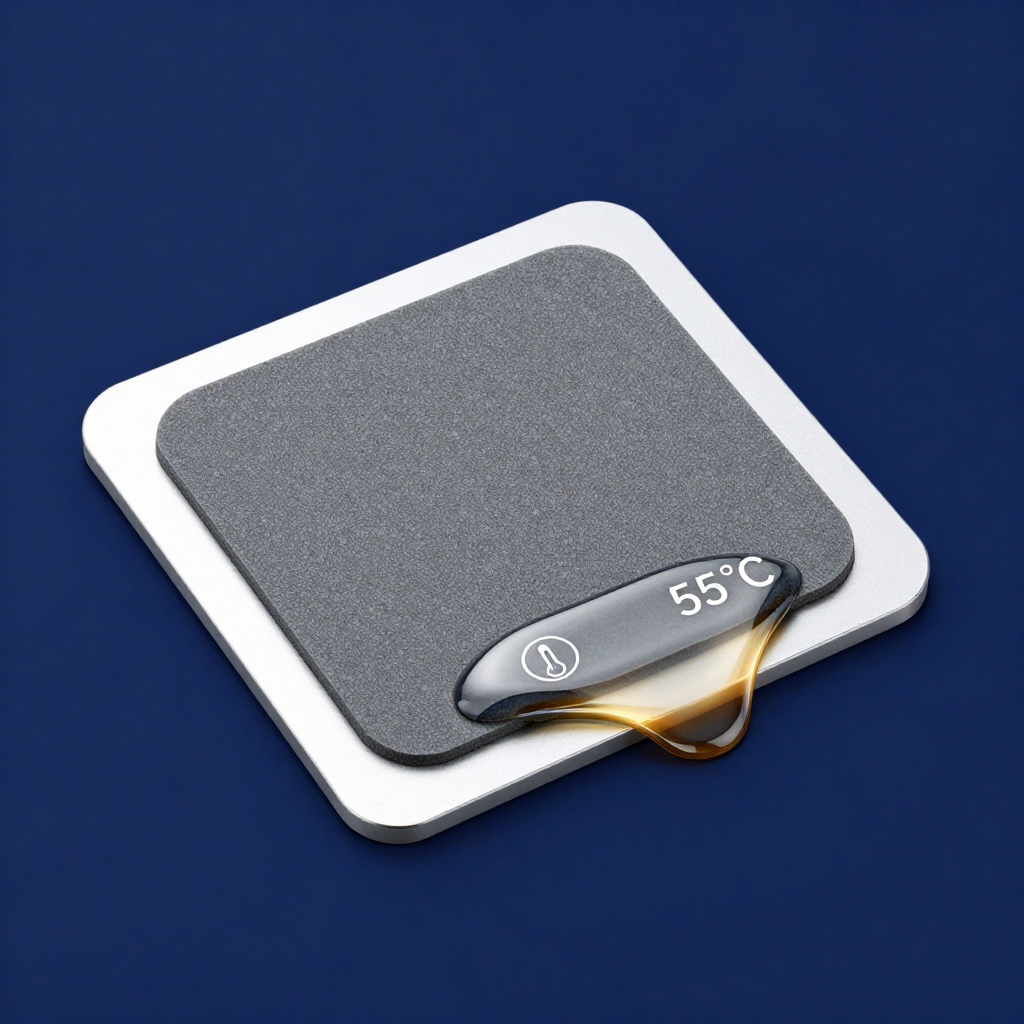
- Phase Change Materials with Memory: Advanced PCMs that reflow during each thermal cycle can “reset” their interface, helping maintain consistent contact pressure in hot-swappable server components.
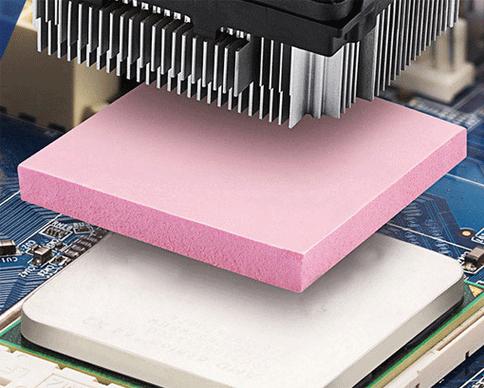
- Elastomeric Pads with Enhanced Durability: New formulations of silicone and non-silicone elastomers are engineered to resist tearing and compression set through hundreds of installation cycles.
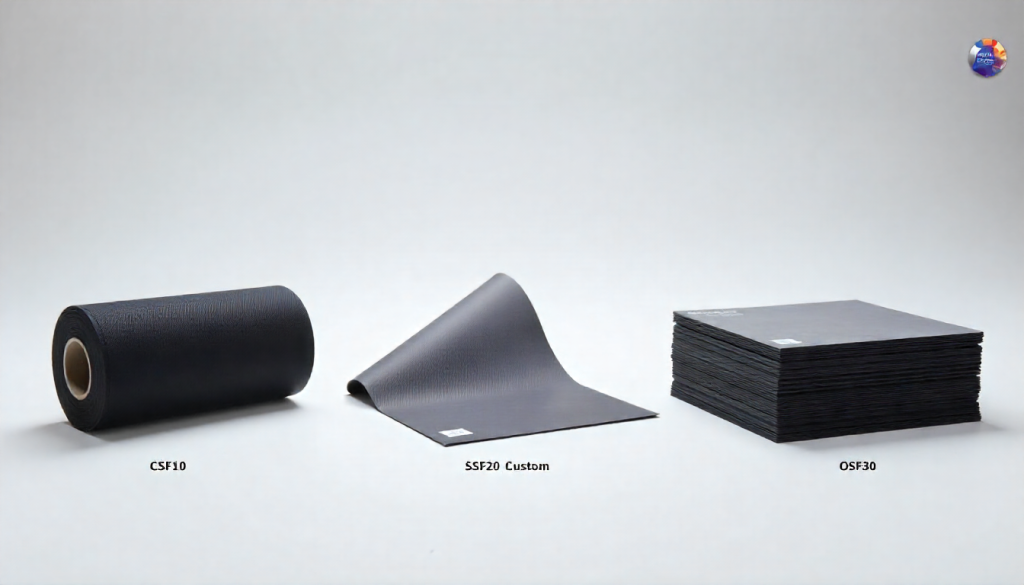
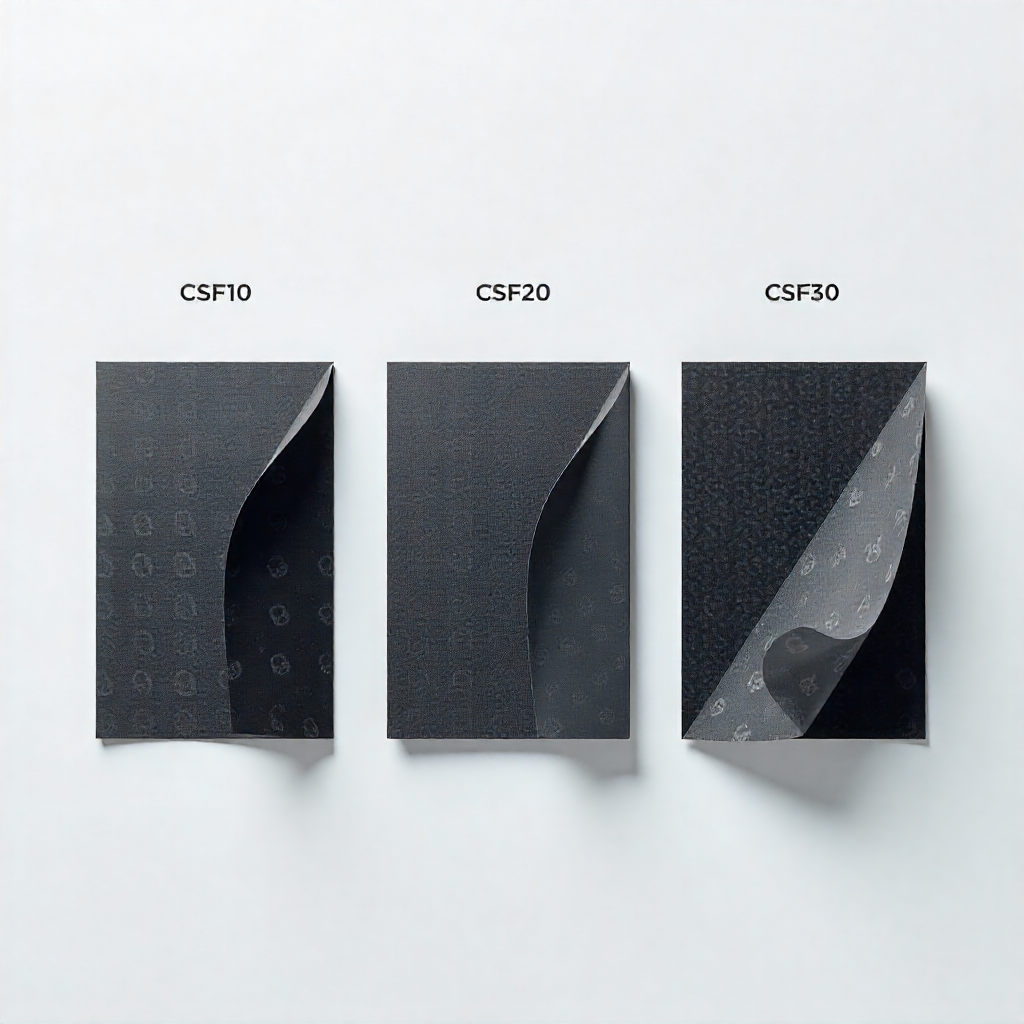
- Dry Polymer Films: These materials offer excellent thermal performance without migration or pump-out, making them ideal for vertical rack installations where traditional greases might flow over time.
- Thermally Conductive Adhesives with Controlled Bond Strength: Releasable thermal adhesives provide strong bonding during operation but allow clean removal when needed for maintenance.
Design Considerations for Modular Thermal Management
Successful implementation requires thoughtful system design:
- Interface Pressure Optimization: Modular systems often use cam-driven or lever-based clamping mechanisms that provide consistent, repeatable pressure—TIM selection must complement these mechanisms with appropriate compression characteristics and thickness.
- Alignment and Positioning Features: Incorporating guide pins, alignment rails, and pre-alignment features helps ensure proper TIM placement during module installation.
- Cleaning and Preparation Protocols: Establishing standardized cleaning procedures for thermal surfaces between installations maintains interface performance and longevity.
- Performance Monitoring Integration: Embedded temperature sensors near thermal interfaces allow monitoring of TIM performance over time and across maintenance cycles.
Industry Applications and Implementation Examples
Different sectors approach modular thermal management uniquely:
- Telecommunications: Base station modular radio units use specialized TIMs that can withstand outdoor environmental exposure while allowing field replacement without thermal paste reapplication.
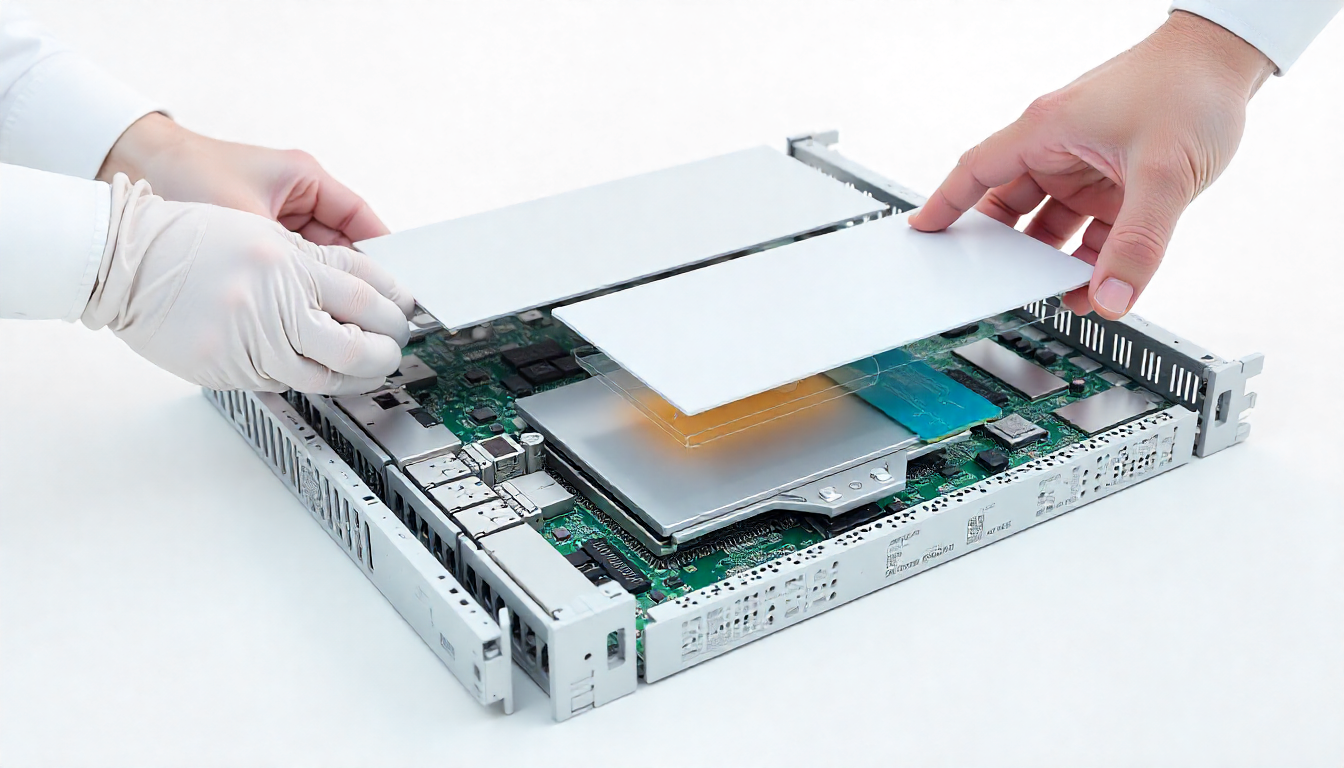
- High-Performance Computing: Liquid-cooled server blades employ pre-applied TIM films that are replaced as part of standard maintenance procedures.
- Industrial Automation: Modular PLC and I/O systems utilize spring-loaded thermal interfaces that maintain contact through vibration and thermal cycling.
- Military/Aerospace: Field-replaceable avionics units require TIMs that meet MIL-SPEC requirements while allowing maintenance in challenging field conditions.
Testing Standards and Performance Metrics
Qualifying TIMs for modular applications requires specialized testing protocols:
- Cyclic Installation Testing: Evaluating thermal resistance stability through 50+ installation cycles simulates real-world maintenance scenarios.
- Environmental Exposure Testing: Assessing performance after exposure to dust, humidity, and temperature extremes between installation cycles.
- Handling Durability: Testing resistance to tearing, stretching, and contamination during typical maintenance procedures.
- Storage Stability: Ensuring materials maintain performance after extended storage periods as spares or replacement parts.
Economic and Operational Considerations
Beyond technical performance, modular TIM solutions impact overall system economics:
- Reduced Maintenance Time: Properly designed thermal interfaces can cut component replacement time by 30-50%, significantly reducing system downtime.
- Lower Training Requirements: Simplified TIM solutions reduce the skill level needed for maintenance, broadening the pool of qualified technicians.
- Inventory Optimization: Standardized TIM solutions across multiple module types simplify spare parts management.
- Total Cost of Ownership: While premium modular TIMs may have higher upfront costs, they often deliver lower total lifecycle costs through reduced maintenance time and improved reliability.
Future Directions in Modular Thermal Management
Several trends are shaping the future of modular thermal interfaces:
- Smart TIMs with Embedded Sensors: Materials that self-monitor interface quality and degradation.
- Automated Application Systems: Robotic TIM application during manufacturing for perfect, repeatable placement every time.
- Sustainable Modular Solutions: Recyclable and biodegradable TIMs for environmentally conscious modular systems.
- Standardization Efforts: Industry initiatives to standardize thermal interface dimensions and properties across modular systems.
The evolution of thermal interface materials for modular systems represents a critical enabler for the next generation of serviceable, upgradable, and maintainable electronics. By solving the unique challenges of modular thermal management, these advanced materials are helping realize the full promise of reconfigurable computing architectures across industries.