Pushing the Limits: Thermal Interface Materials in Downhole, Aerospace, and Space Applications
While consumer electronics push the boundaries of heat flux, other fields challenge thermal interface materials (TIMs) with environmental extremes far beyond standard industrial specs. In the depths of an oil well, the vacuum of space, or the heart of a jet engine, failure is not an option.
The Triple Challenge: Temperature, Pressure, and Environment
- Downhole Electronics: Tools used in geothermal or oil & gas drilling face temperatures exceeding 200°C and extreme pressures. TIMs here must not only conduct heat but also remain stable without decomposing or outgassing, which could foul sensitive sensors. Specialized polyimide or ceramic-based sheets are often employed.
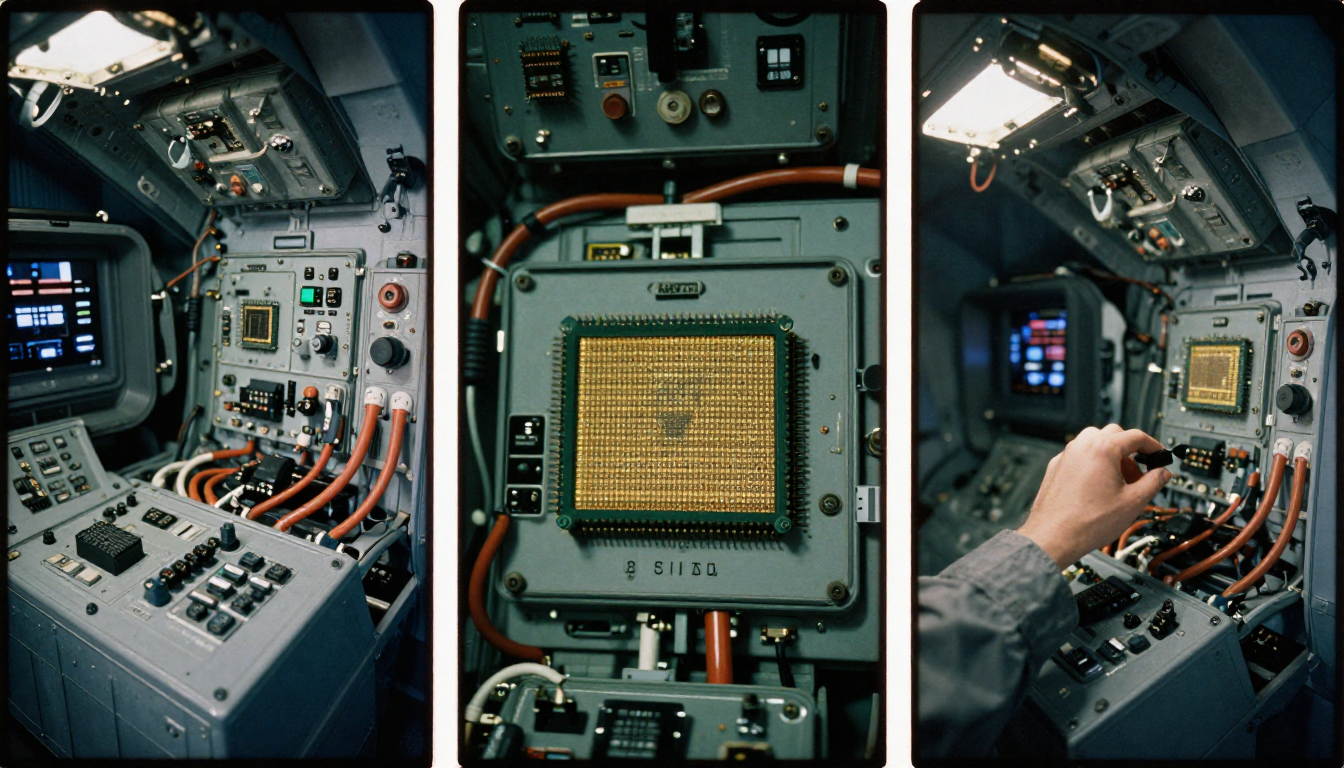
- Aerospace & Avionics: In aircraft, TIMs face wide temperature cycles from -55°C to over 150°C, constant vibration, and must meet stringent flammability and outgassing standards (like NASA’s low outgassing requirements). Reliability over 20+ years is expected.
- Space Applications: This is the ultimate test. TIMs must function in a vacuum (ruling out most volatile organics), withstand intense radiation bombardment, and survive thousands of cycles between deep-cryogenic shadows and direct solar heating. Materials are meticulously screened and tested for years.
What This Means for Your High-Reliability Design:
The technologies and rigorous qualification processes developed for these extreme fields trickle down. A phase change material validated for long-term, high-temperature stability in a less dramatic industrial setting benefits from this pedigree. When selecting a TIM for any critical application, ask your supplier about its upper operational limits, outgassing data, and long-term aging test results—the same questions a space agency would ask.