Reading the Signs: A Guide to Thermal Pad Failure Analysis and Root Cause Identification
When a field unit overheats, the thermal interface material (TIM) is often a suspect. Conducting a systematic failure analysis can reveal the root cause, whether it’s a material issue, an assembly flaw, or an application error. Here’s what to look for when you inspect a returned unit.
Common Failure Modes and Visual Clues:
- Pump-Out/Dry-Out:
- Visual Sign: The TIM has receded from the center of the die, accumulating at the edges. The central area may look dry, cracked, or have significantly less material.
- Root Cause: Extreme thermal cycling with a material not designed to withstand it, or a mismatch between the TIM’s viscoelastic properties and the coefficient of thermal expansion (CTE) of the components.
- Incomplete Contact / Poor Wetting:
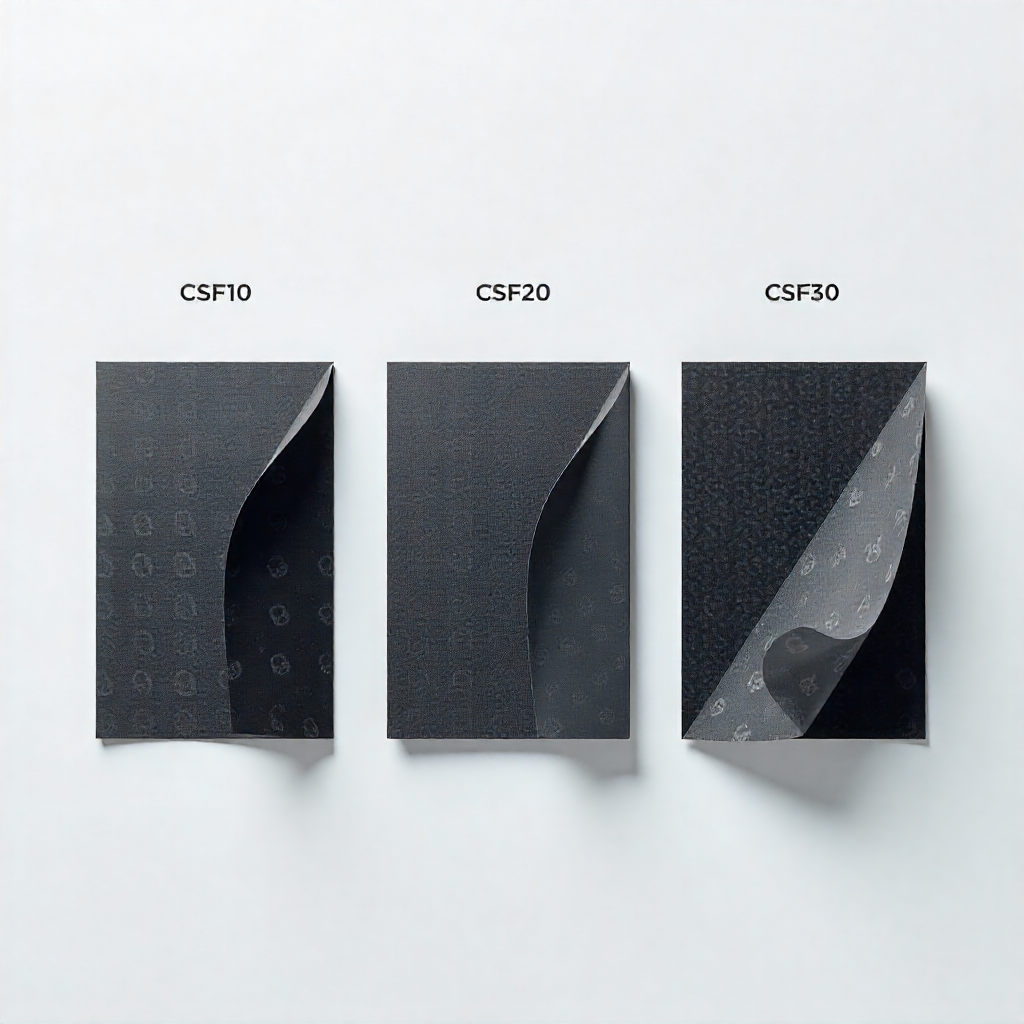
- Visual Sign: After removal, the imprint pattern on the pad or the heatsink is uneven, spotty, or shows clearly untouched areas. The pad itself may not have undergone phase change in those regions.
- Root Cause: Insufficient mounting pressure, surface warpage, contamination (like a protective film left on), or a pad that is too thick/hard for the application.
- Thermal Degradation / Charring:
- Visual Sign: The pad is discolored (yellowed, brown, or blackened), brittle, or shows signs of pyrolysis.
- Root Cause: Operating temperatures far exceeding the material’s maximum service temperature, often due to a secondary cooling failure (fan stop, blocked vent).
- Electrical Failure Indication:
- Visual Sign: Arcing marks, carbon tracking, or melting in a localized path. (Note: This is rare with insulating pads but can occur with conductive ones or in high-voltage scenarios).
- Root Cause: Use of an electrically conductive TIM where insulation was required, or a dielectric breakdown due to contamination.
The Takeaway: A failed TIM is often a symptom. The analysis should ask: Was the correct material specified for the temperature and stress? Was it correctly applied? Did the operating environment exceed design limits? By understanding these signs, you can prevent recurrence.