Slim Device Cooling: Thermal Pads for Phones & Laptops
The relentless drive for thinner, more powerful consumer electronics creates unique thermal challenges. In devices where every millimeter counts—from flagship smartphones to sleek laptops and next-generation wearables—conventional cooling solutions often don’t fit. This is where specialized ultra-thin thermal pads become the unsung heroes of thermal management in compact electronics.
The Space-Constrained Challenge
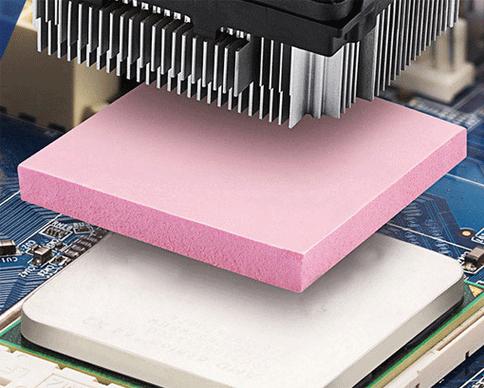
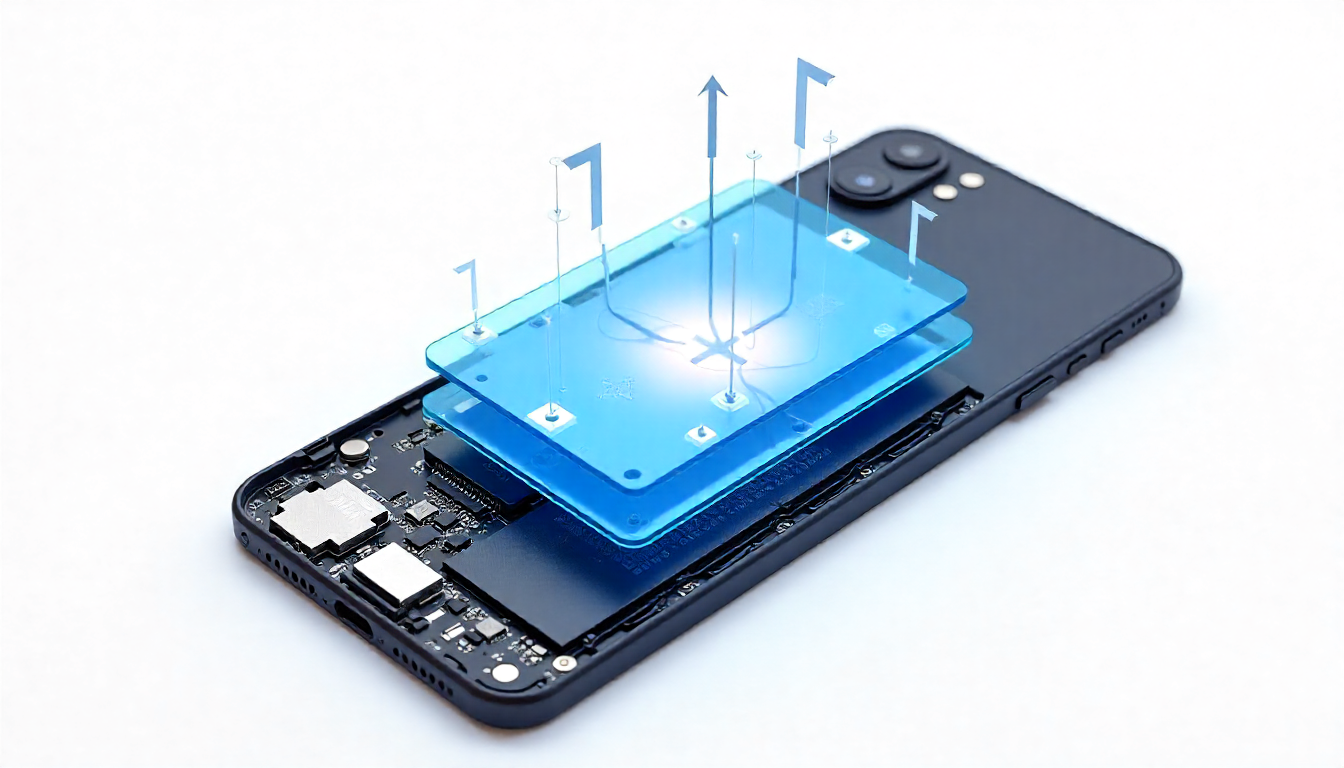
Modern system-on-chip (SoC) processors in phones and tablets generate concentrated heat in packages barely a few millimeters tall. Similarly, laptop CPU and GPU cooling must work within incredibly tight tolerances between the processor and heat pipe assembly. Standard thermal pads are simply too thick or too stiff. The solution lies in thermal gap fillers under 0.5mm thickness that can conform to minute gaps without adding mechanical stress to delicate components like flexible printed circuit boards (FPCBs).
Key Properties for Miniaturization
Selecting the right material for cooling smartphone components or wearable device assemblies requires a focus on specific attributes:
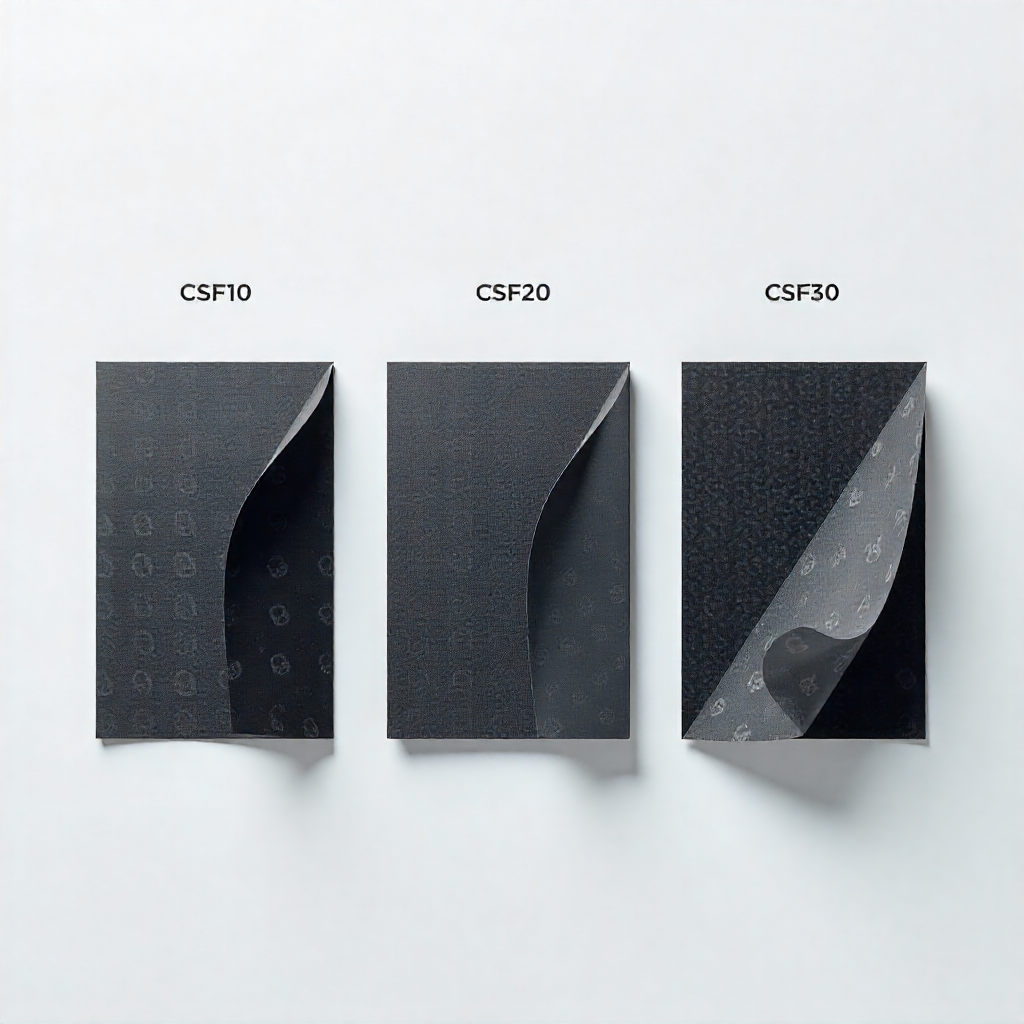
- Exceptional Thinness & Conformability: Materials must be reliably manufactured down to 0.1mm thermal pad thickness while maintaining structural integrity. They need a low modulus (softness) to fill microscopic unevenness on chips, shields, and casings, ensuring maximum contact area.
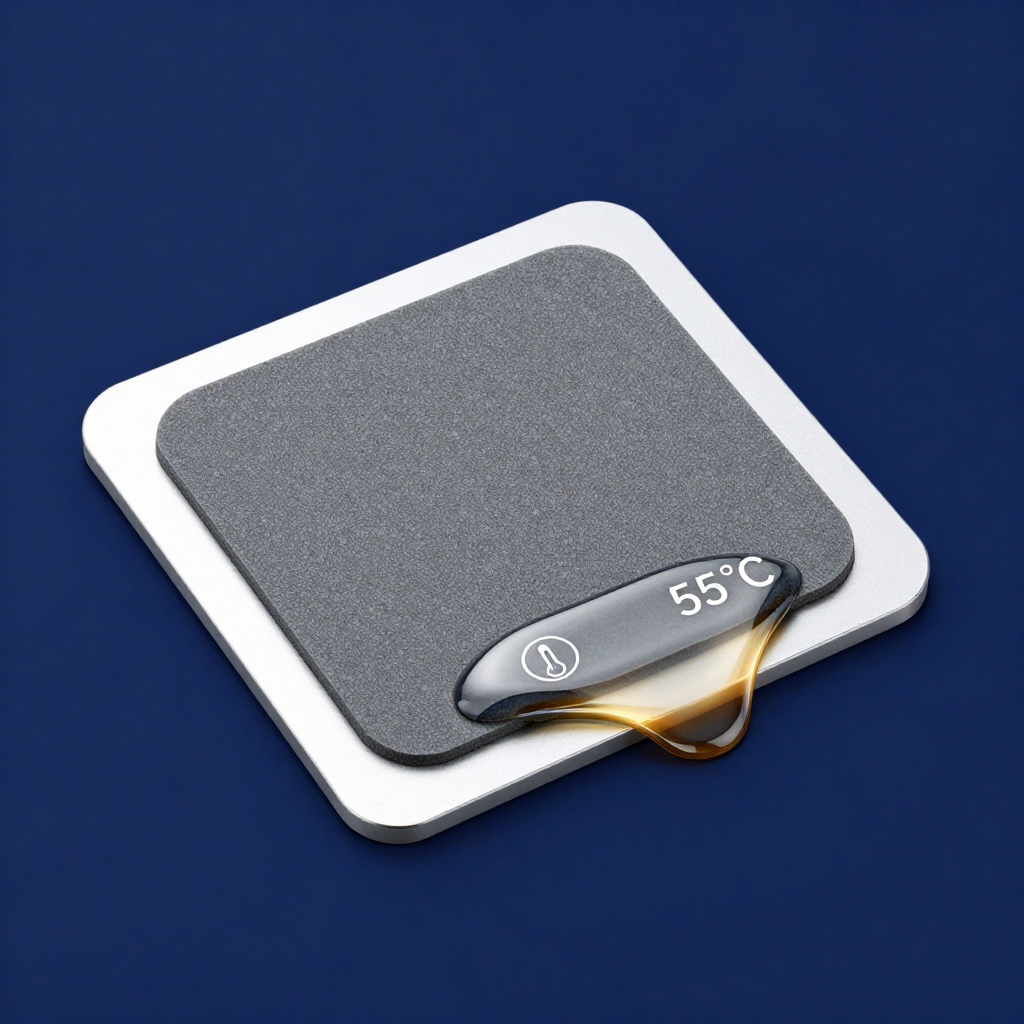
- High Thermal Performance in Thin Profiles: Despite their thinness, these pads must offer high thermal conductivity for PCB hotspots. Advanced formulations using ceramic or boron nitride fillers can achieve excellent heat transfer in profiles thinner than a sheet of paper, directly targeting heat dissipation from 5G modem chips or fast charging circuitry.
- Durability in Dynamic Environments: A device in your pocket or on your wrist is constantly flexing and experiencing temperature swings. Pads must have strong adhesion to prevent shifting and resist drying out or becoming brittle over time, which is crucial for long-term reliability of mobile devices.
Beyond Processors: Comprehensive Device Cooling
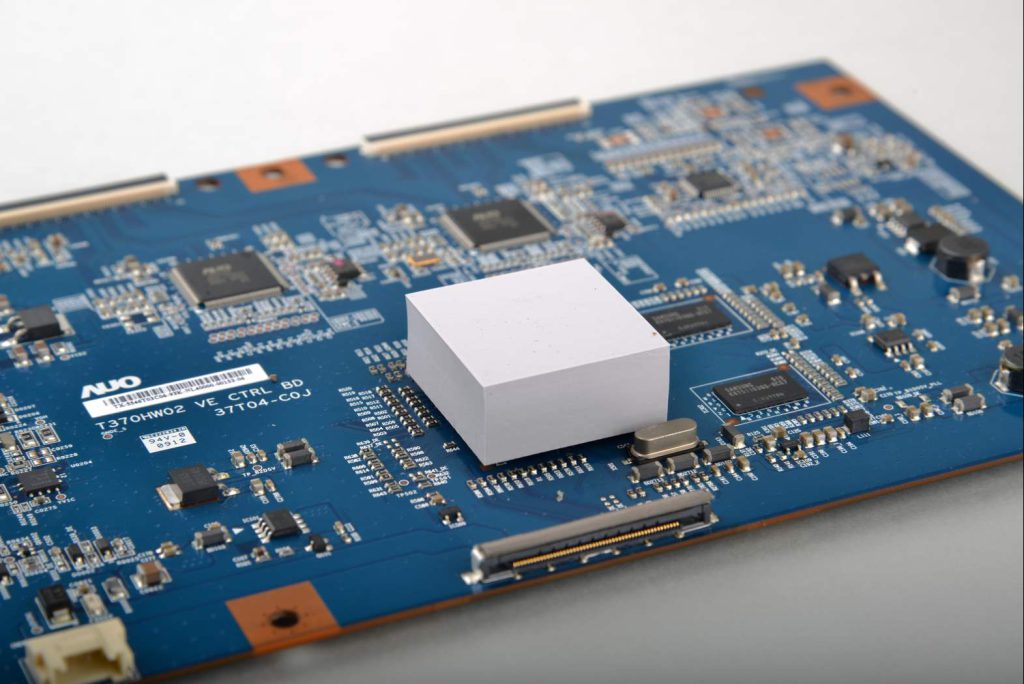
Effective heat spreading in consumer electronics often involves managing heat from multiple sources. Thermal pads for RF shielding cans help transfer heat from the shield to the mid-frame or chassis. In gaming laptop thermal design, pads are used on VRM (voltage regulator module) components and SSD drives to prevent throttling and data slowdowns. For smartwatch and fitness tracker manufacturers, using a thermally conductive but electrically insulating pad between the battery and sensors is a common strategy to maintain performance during continuous GPS use.
By integrating these advanced, thin thermal management solutions, designers can push the boundaries of performance and form factor without sacrificing the user experience or device lifespan due to overheating.