The Biocompatible Bridge: TIM Challenges in Implantable Medical Device Thermal
In an active implantable medical device (AIMD), heat is not just an engineering problem—it’s a biological constraint. Excess heat can damage surrounding tissue. The Thermal Interface Materials (TIMs) inside the hermetically sealed titanium or ceramic case must not only manage heat efficiently but also be biocompatible, exceptionally reliable, and stable for decades within the controlled, often corrosive, internal environment.
The Core Challenges for Implant TIMs:
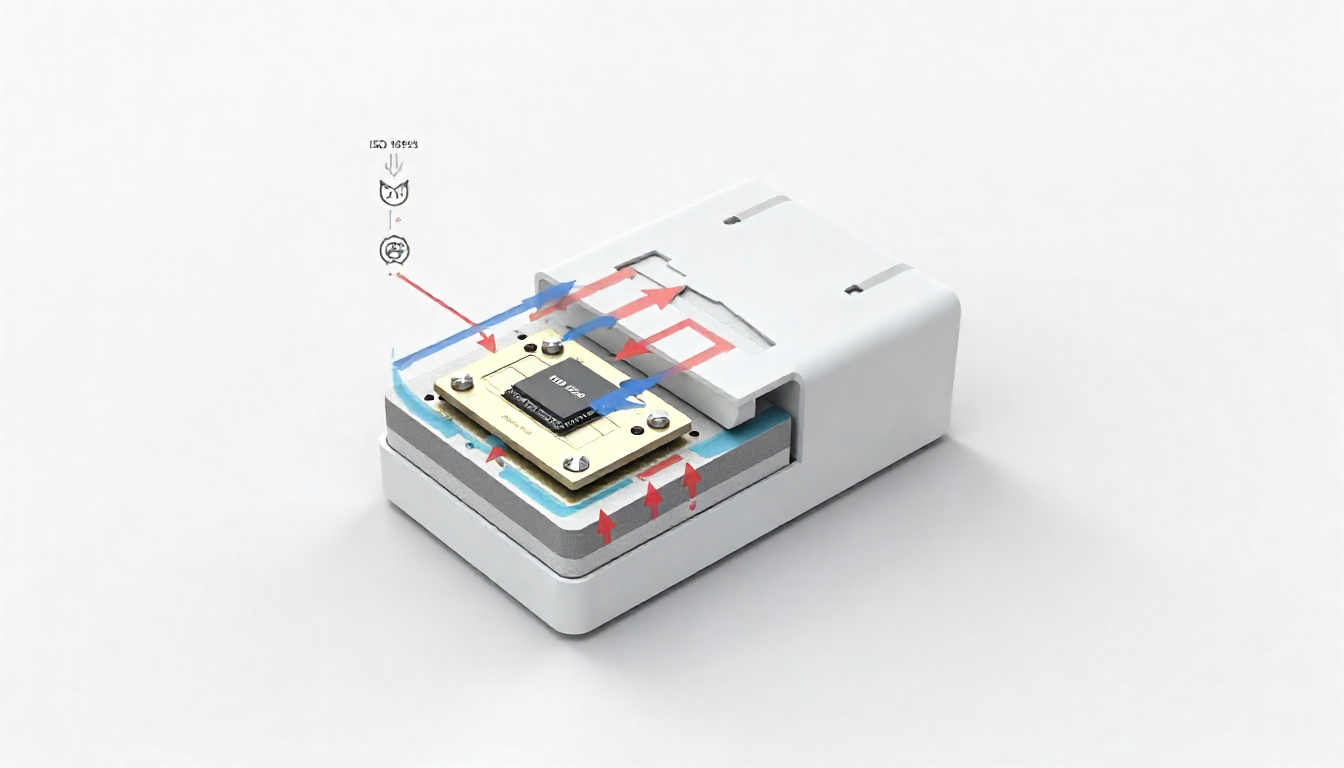
- Absolute Biocompatibility (ISO 10993): Any material inside the hermetic case must pass rigorous ISO 10993 biological evaluation tests, even if it never contacts tissue directly. This ensures no toxic leachables are released in the event of a seal failure. Many standard industrial TIMs contain unapproved additives or catalysts.
- Long-Term Stability in a Unique Environment: The internal atmosphere may be inert (e.g., nitrogen), but humidity and outgassing from other components can create a corrosive mix over 10-20 years. The TIM must not degrade, dry out, or produce corrosive byproducts.
- Extreme Reliability & Miniaturization: Devices are incredibly small. The TIM must perform flawlessly in a thin, often low-pressure interface, with zero tolerance for pump-out or degradation that could cause a hotspot and lead to premature battery drain or component failure.
- Process Compatibility with Hermetic Sealing: The TIM must withstand the high temperatures and processes used for laser welding or brazing the hermetic case, without outgassing excessively and contaminating the internal atmosphere.
Material Strategies:
- Medical-Grade Adhesives & Gels: Specially formulated, platinum-cured silicone gels or epoxies that are ISO 10993 certified. They can provide both thermal conduction and mechanical adhesion/strain relief.
- Pure Metal Interfaces: Within the sealed case, solder joints or gold plating are often used for critical, high-heat-flux paths (e.g., from an ASIC to the case wall) due to their proven long-term stability and zero outgassing.
- High-Purity Ceramic Fillers: Biocompatible, stable fillers like aluminum oxide or boron nitride are used in composite materials.
Selecting a TIM for an implant is a regulatory and materials science exercise first, and a thermal optimization exercise second. It requires partnering with suppliers who understand the stringent documentation, traceability, and testing required for the medical device industry.