The Lightweight Champion: Graphene Aerogel TIMs for Weight-Critical Aerospace and Mobile Applications
In aerospace, every gram matters. Traditional metal heat spreaders and ceramic-filled TIMs add significant mass. Enter graphene aerogels: porous, ultra-lightweight solids derived from graphene, with densities as low as 0.16 mg/cm³ (lighter than air) but possessing remarkable mechanical and thermal properties. As a TIM, they offer the elusive combination of extremely low density, high compressibility, and significant thermal conductivity.
The Architecture of an Aerogel TIM:
A graphene aerogel is a 3D network of graphene sheets, forming a mesoporous structure with ~99% air. This gives it its incredible lightness. When used as a TIM:
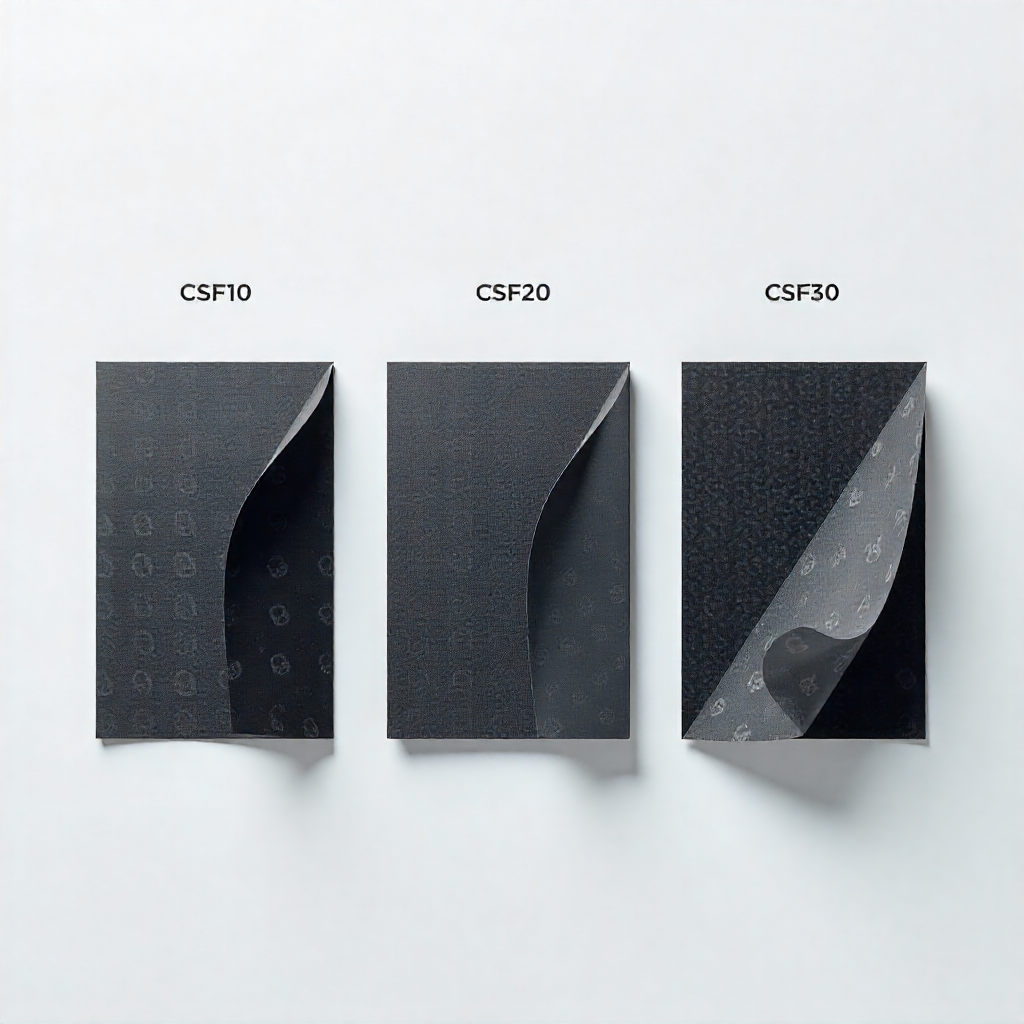
- Compressibility & Conformability: The foam-like structure can be compressed by over 90% under low pressure, allowing it to conform to rough surfaces and fill large gaps while exerting minimal spring-back force on delicate components.
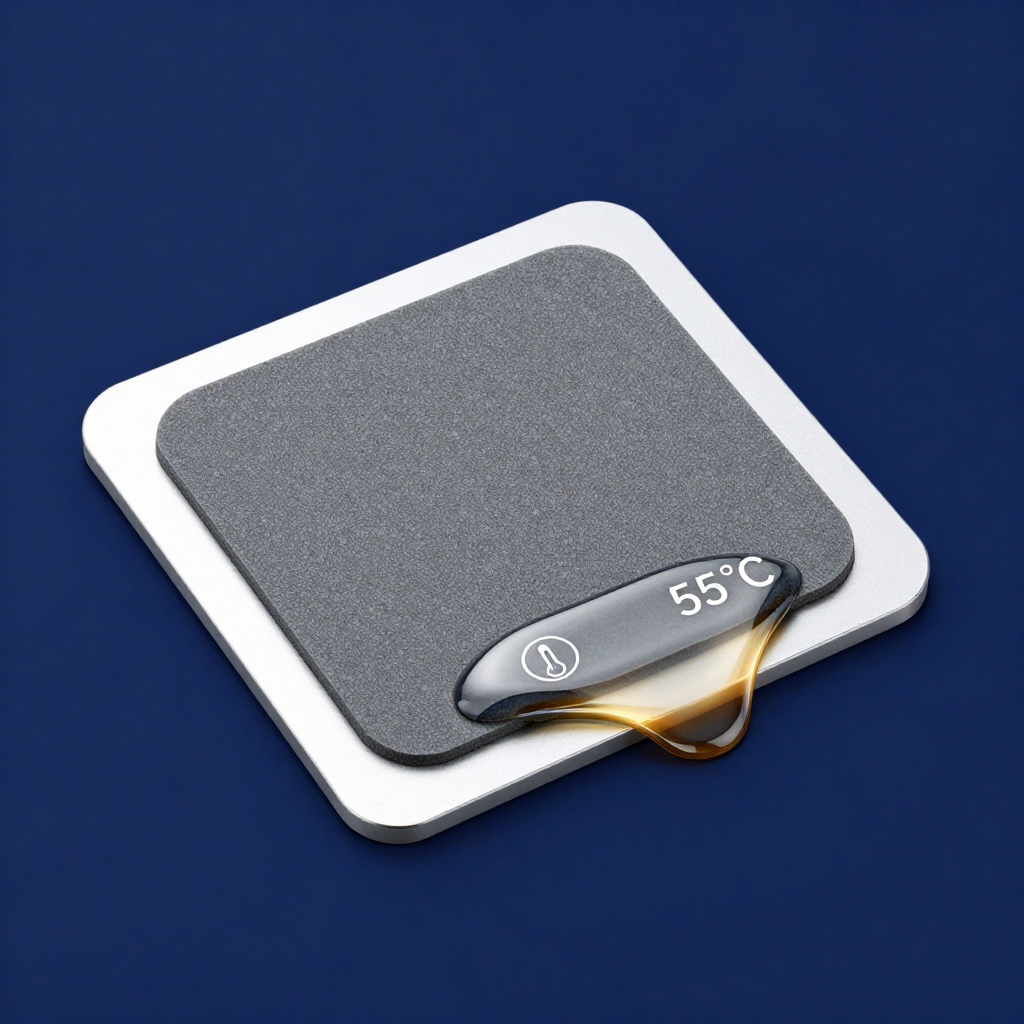
- Thermal Pathway: Although the bulk conductivity is moderate (1-10 W/m·K), its low density means extremely high specific thermal conductivity (conductivity per unit mass). The graphene network provides efficient in-plane and through-plane phonon transport.
- Multifunctionality: It can simultaneously act as a TIM, a lightweight structural spacer, and an electromagnetic interference (EMI) shield due to graphene’s electrical conductivity.
Niche Applications Where it Excels:
- Satellite & Spacecraft Electronics: Minimizing mass is paramount. An aerogel TIM can save kilograms in a large system.
- High-Altitude Drones & UAVs: Reducing weight directly increases flight time or payload capacity.
- Advanced Composite Enclosures: It can be integrated into carbon fiber panels to provide both thermal management and core material, creating a multifunctional structural thermal system.
Challenges and Handling:
Graphene aerogels are fragile in their pure form and often require reinforcement or integration into a more robust composite matrix. Handling and integration into automated assembly lines require specialized processes.
For applications where mass is the primary constraint, graphene aerogel TIMs are not just an option—they are a system-level enabler. They represent a shift from thinking about TIMs as dense filler materials to viewing them as engineered, multifunctional, ultra-light architectures.