The Next Frontier: How Graphene-Enhanced Phase Change Materials Are Redefining Thermal Conductivity
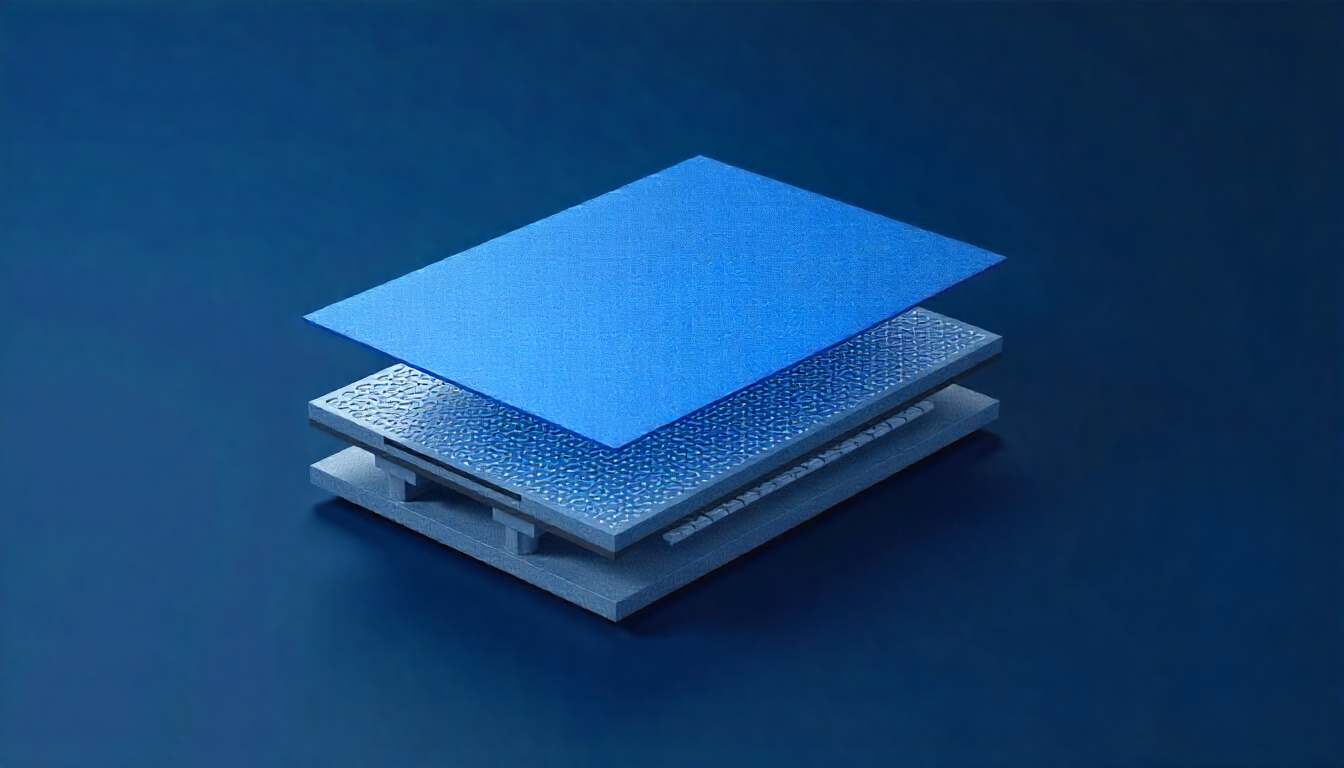
The relentless pursuit of higher thermal conductivity in interface materials is pushing the boundaries of material science. While traditional fillers like ceramic or metal oxides have their limits, the integration of graphene and other advanced nano-fillers into phase change matrices is unlocking a new era of performance.
Graphene, with its exceptional in-plane thermal conductivity, offers a pathway to create composites that dramatically enhance heat spreading within the TIM layer itself. This isn’t just about moving heat vertically from chip to heatsink; it’s about lateral heat spreading to prevent localized hotspots in unevenly heated components.
What does this mean for cutting-edge applications?
In fields where performance is paramount and cost is a secondary concern—such as aerospace avionics, military radar systems, or high-performance computing clusters—these advanced composites are becoming critical. They address the thermal challenges of components where heat fluxes exceed the capabilities of conventional materials.
The development of high-thermal-conductivity composite phase change materials focuses on:
- Uniform Dispersion: Ensuring nano-fillers are evenly distributed to form effective thermal pathways without increasing electrical conductivity.
- Stable Interface: Maintaining the reliability and phase-change characteristics of the base polymer while integrating advanced fillers.
- Manufacturability: Translating lab-scale performance into consistent, commercially viable products.
At Thermal Silicon Pad, we are actively engaged in this thermal management material R&D. Our product roadmap includes exploring these advanced composites to solve tomorrow’s thermal challenges today.
For engineers designing systems where thermal density is the primary constraint, staying informed on next-generation thermal interface solutions is crucial. Contact us to discuss how emerging material technologies can be tailored to meet your most demanding application requirements.