The True Cost of a Penny: How TIM Selection Drives Factory Floor Economics
On the factory floor, the bill-of-materials (BOM) cost of a Thermal Interface Material is just the entry fee. Its real economic impact is determined by how it behaves in the relentless, high-speed dance of volume manufacturing. A choice that saves $0.01 on the BOM can cost $0.10 in applied cost.
The Hidden Cost Drivers of TIM Application:
- Touch Labor & Cycle Time:
- Thermal Grease: Requires precise, often manual, dispensing or stenciling. It needs cure/settle time, occupies station time, and is prone to voids or spills that require inspection and rework. This adds seconds of labor per unit, which, multiplied by millions, becomes a massive cost.
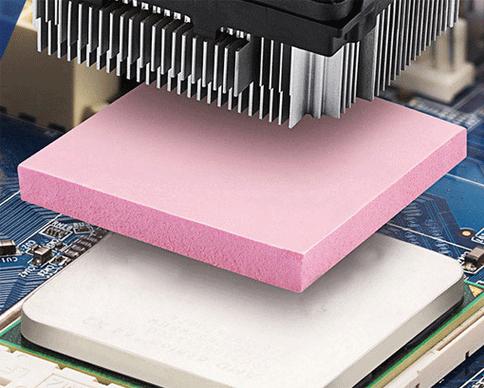
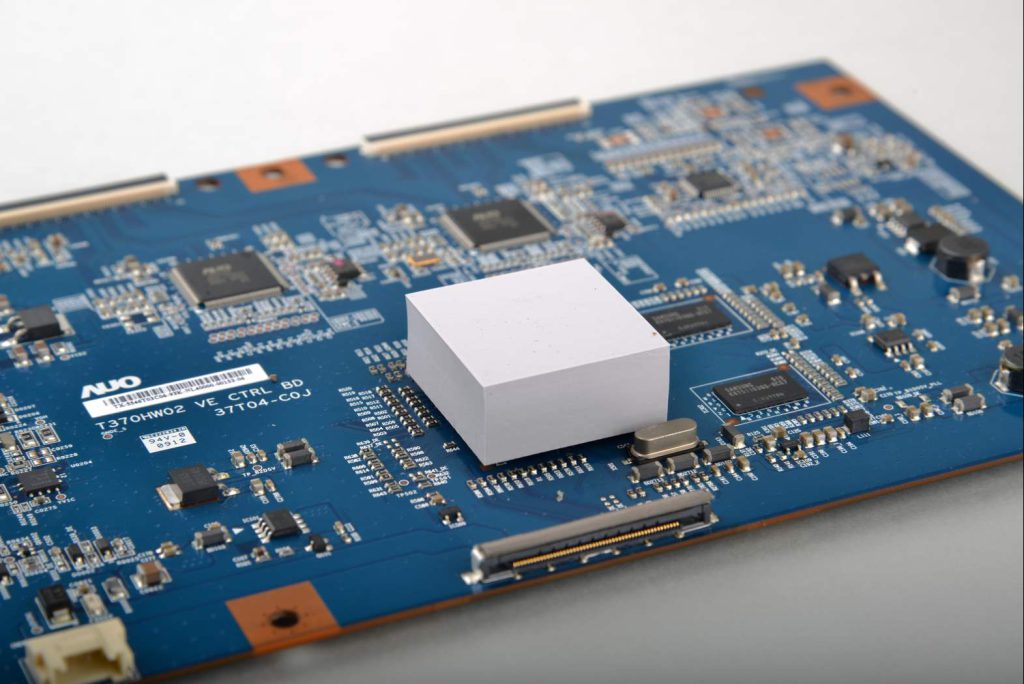
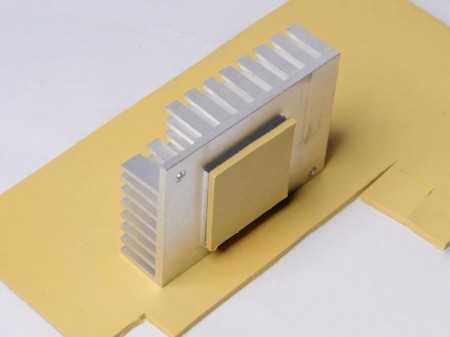
- Pre-Formed Phase Change Pads: Can be handled by high-speed pick-and-place robots alongside other SMT components. Application takes milliseconds, is inherently consistent, and requires no cure time, directly increasing line throughput.
- Yield and Rework:
A TIM that causes even a 0.5% final test failure rate due to thermal performance variation has a staggering cost. The cost of a single rework—diagnosis, disassembly, cleaning, re-application, re-test—can be 10-100x the TIM’s own cost. A reliable, consistent pad virtually eliminates this TIM-related failure mode. - Material Logistics & Waste:
- Greases and Gels: Have shelf life, require refrigeration for some types, and generate waste from mixing, purging dispensing equipment, and contaminated wipes.
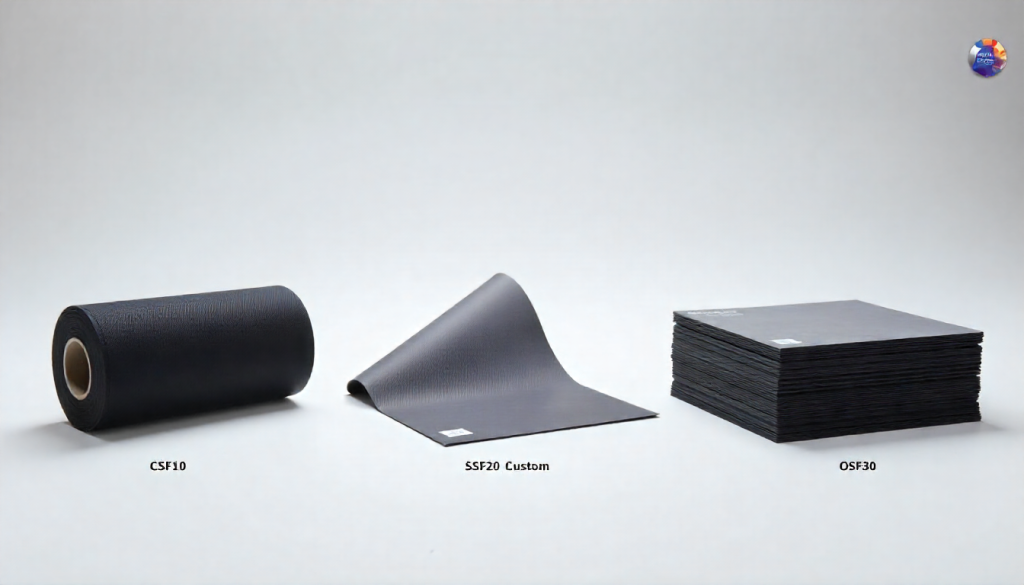
- Die-Cut Pads on Reels: Enable Just-in-Time (JIT) delivery to the line side. Nesting algorithms minimize scrap during the die-cutting process. Waste is predictable and often recyclable by the supplier.
The Economic Analysis:
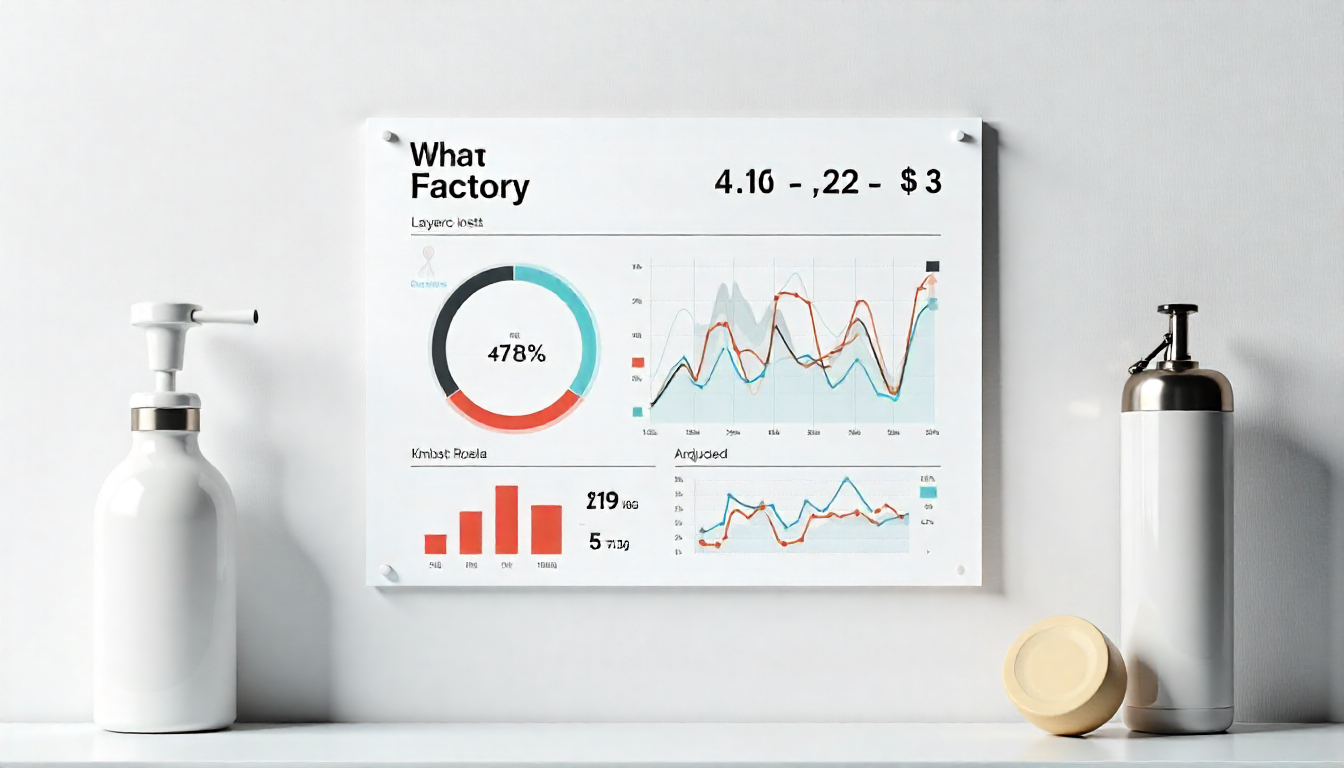
The decision should be guided by a Total Applied Cost (TAC) model: TAC = BOM Cost + (Application Time * Line Rate Cost) + (Rework Rate * Rework Cost) + Waste/Logistics Cost. When this math is run, the higher-BOM-cost pad frequently wins, freeing up capital through higher yield and throughput.
We provide not just materials, but production-proven formats (reels, matrices) and integration support to ensure your TIM becomes an engine of manufacturing efficiency, not a bottleneck.