Thermal Management for EV Power Electronics: Insulating Pads for Batteries and IGBT Modules
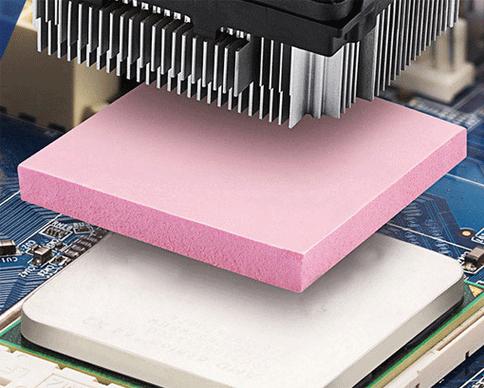
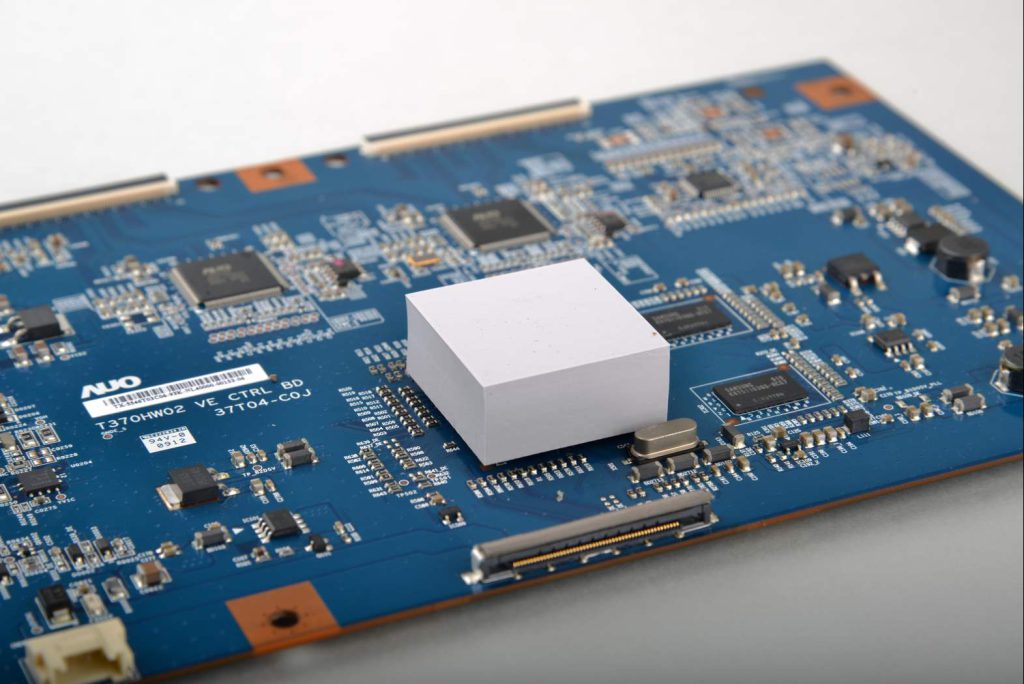
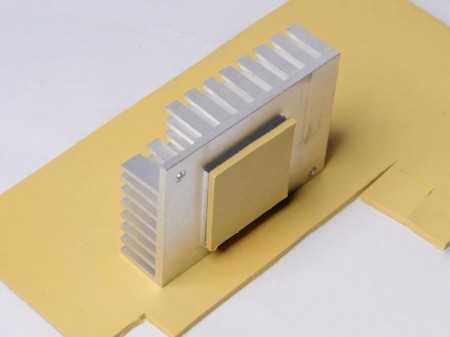
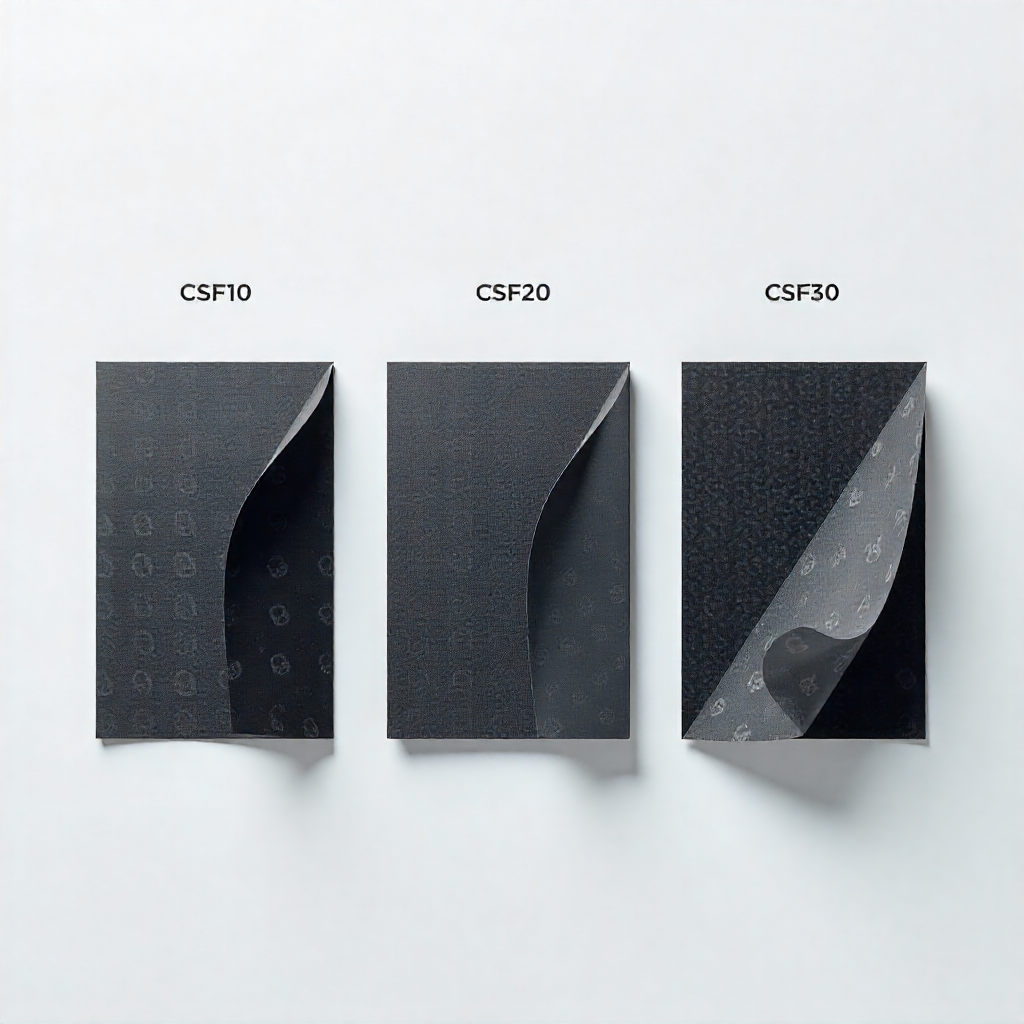
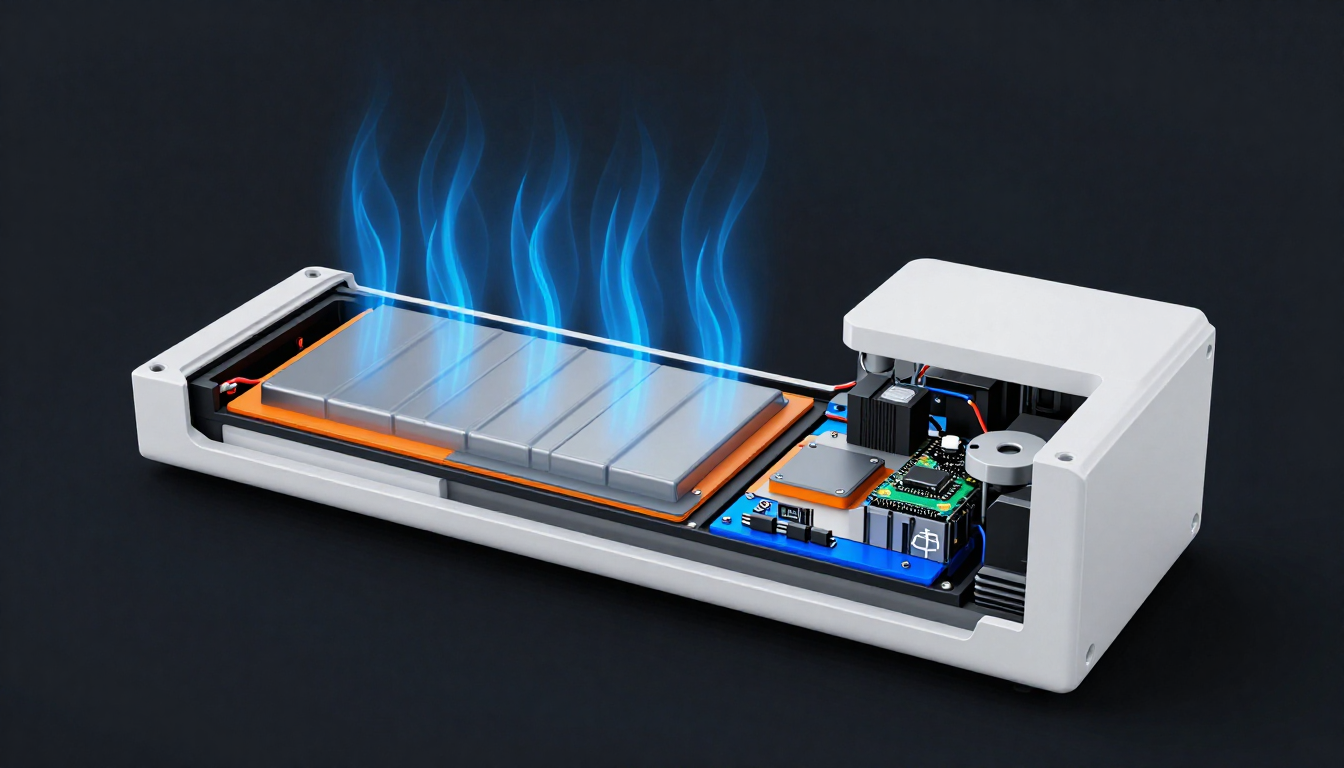
The electric vehicle revolution hinges not just on battery range but on the reliability of its power electronics thermal management. Components like traction inverters and IGBT power modules generate intense heat in compact spaces. Here, a thermal gap filler pad does more than transfer heat; it must provide robust electrical insulation in high-voltage applications (800V and above).
Selecting the right thermal pad for electric vehicle battery packs involves balancing thermal conductivity with critical safety properties. The material must possess a high Comparative Tracking Index (CTI) value to prevent electrical tracking across the surface. For fire safety in automotive electronics, thermal pads with UL 94 V-0 flame retardant certification are mandatory. This ensures the material will self-extinguish, a vital factor for passive safety systems in EVs.
Beyond insulation, managing heat in onboard chargers (OBC) and DC-DC converters requires pads that perform consistently across a wide temperature range for automotive applications (-40°C to 150°C). They must resist drying, cracking, or becoming brittle. When designing cooling for EV motor controllers, engineers should look for pads with high dielectric strength (>5 kV/mm) and low thermal resistance under compression to ensure efficient heat transfer to the cooling plate or chassis, ultimately enhancing power module longevity and EV reliability.