Thermal Materials for 5G Antennas: Cooling the mmWave Frontline
5G’s promise of speed and capacity comes from high-frequency mmWave bands and dense antenna arrays (Massive MIMO). This creates a thermal hotspot at the network’s edge: the Active Antenna Unit (AAU). Inside, Gallium Nitride (GaN) power amplifiers and beamforming ICs generate intense heat in a sealed, weatherproof enclosure with no direct airflow. The Thermal Interface Material (TIM) here must solve a complex trilemma: high thermal performance, minimal RF signal loss, and long-term environmental robustness.
The 5G TIM Design Challenge:
- Dielectric Properties are Paramount: At mmWave frequencies (e.g., 28, 39 GHz), any material near the antenna elements affects radiation patterns and efficiency. TIMs must have a low and stable dielectric constant (Dk) and an extremely low dissipation factor (Df) to avoid absorbing precious RF energy and distorting the signal.
- High Heat Flux in Confined Space: GaN PAs are incredibly power-dense. The TIM must efficiently move heat from the IC package to the AAU’s massive aluminum housing, which acts as the primary heatsink. This often requires materials with >3 W/m·K conductivity but in very thin, conformable layers.
- Outdoor Reliability: The TIM must withstand temperature cycling from -40°C to +85°C, UV exposure, humidity, and corrosion over a 10-15 year lifespan without cracking, drying out, or pumping out.
Material Solutions for the AAU:
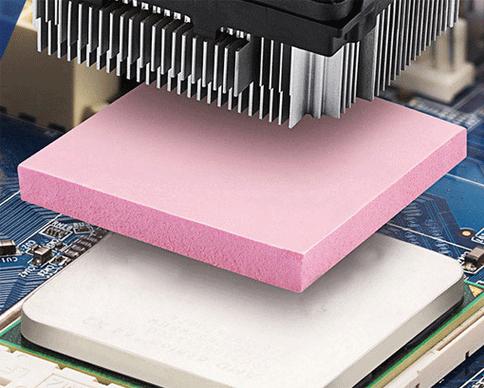
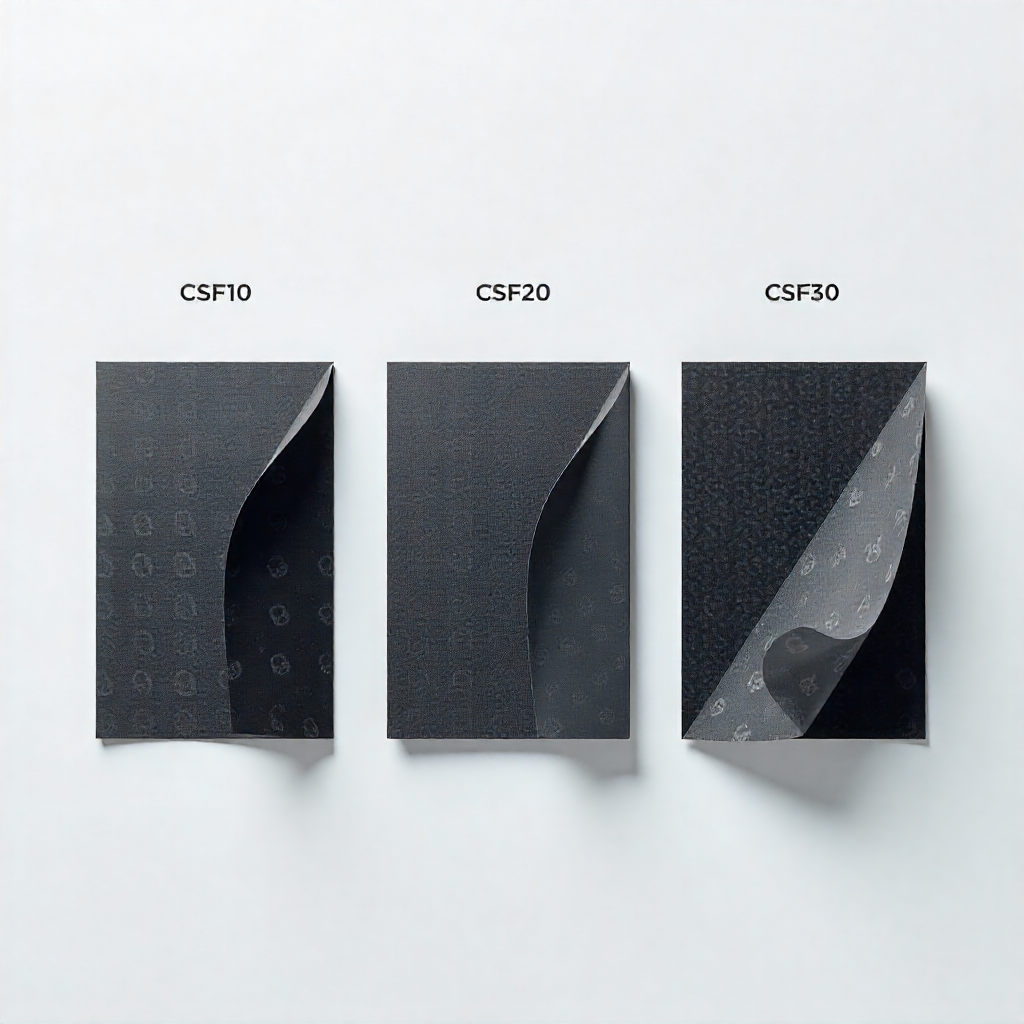
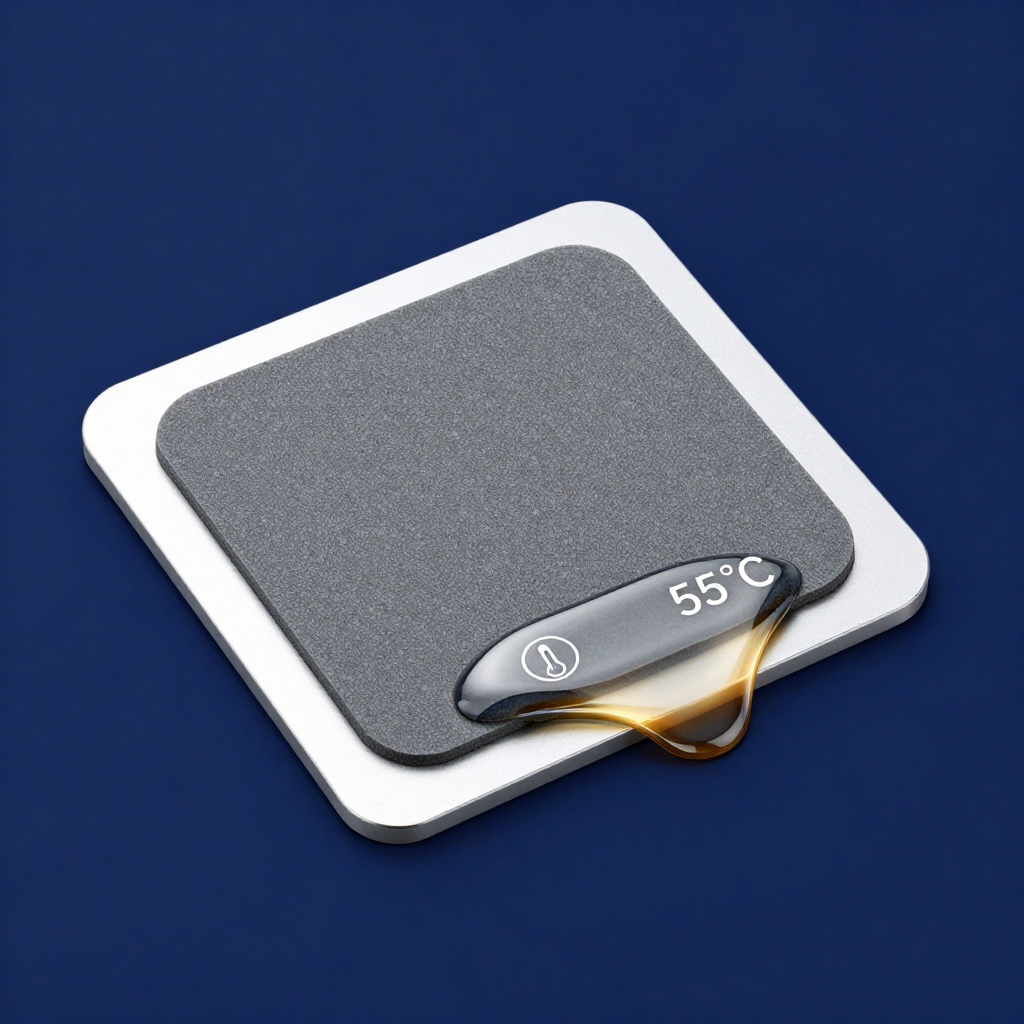
- Phase Change Gels & Pads: These offer excellent conformability to rough cast housing surfaces and maintain stable thermal resistance. They can be formulated with low-outgassing, hydrophobic properties for outdoor use.
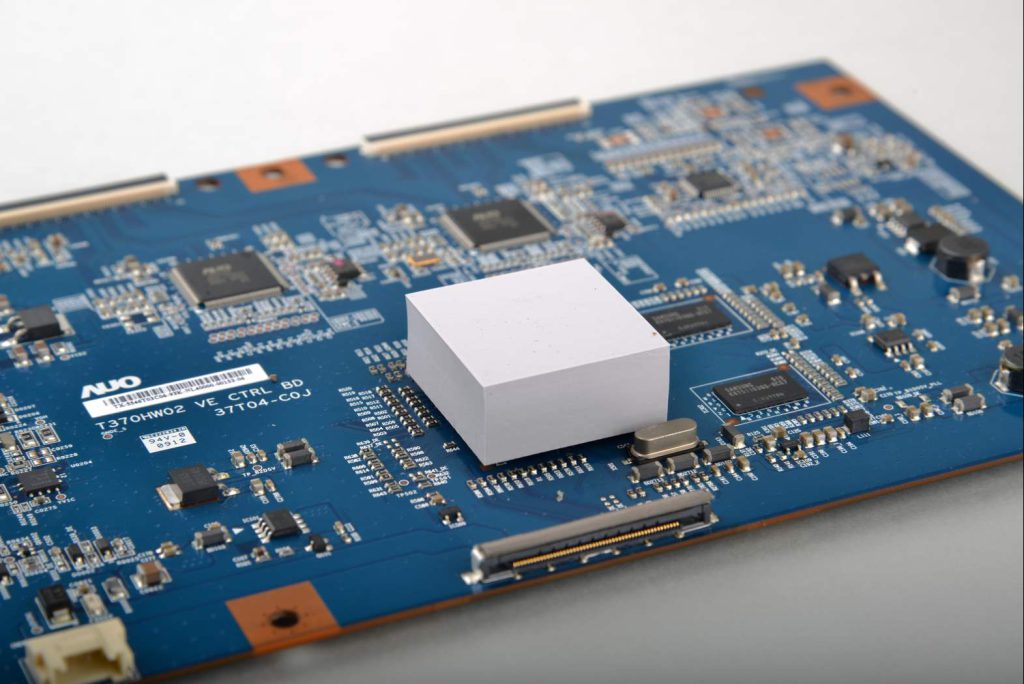
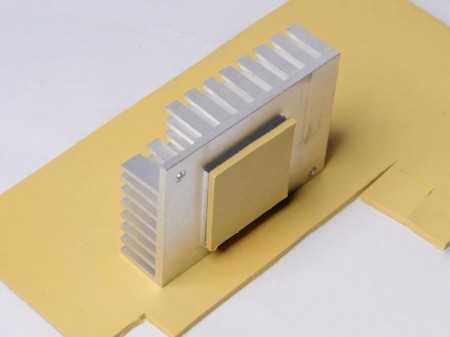
- Dielectric Gap Fillers: Soft, compressible pads that fill larger tolerances between PCBs and the housing, providing both thermal transfer and vibration dampening.
- Thermally Conductive Adhesives/Encapsulants: Used to pot or secure sensitive components, providing structural integrity, environmental sealing, and heat spreading in one step.
Selecting the wrong TIM can degrade signal strength, reduce coverage, and lead to premature amplifier failure. The AAU’s performance literally depends on the quality of its hidden thermal interfaces.