Thermal Pad TCO: Beyond Purchase Price
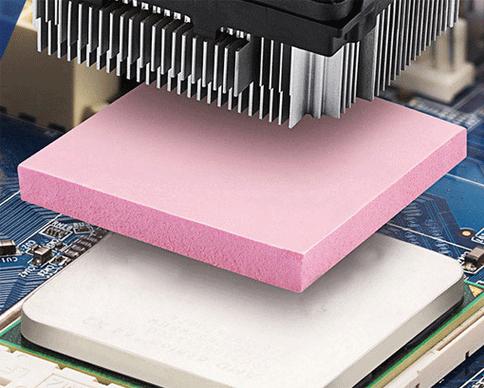
In manufacturing, the true expense of a component is rarely its sticker price. For thermal interface materials (TIMs), a myopic focus on cost per square meter of thermal pad can inflate overall production costs and compromise product quality. A savvy engineer evaluates the total cost of ownership for thermal pads, factoring in processing, labor, waste, and long-term reliability.
The Hidden Costs of Manual Processing
Hand-cutting thermal pads seems economical but introduces significant hidden expenses:
- Material Waste: Inefficient nesting on a sheet leads to high scrap rates for thermal materials, often wasting 20-30% of purchased material.
- Labor Intensity: The process of measuring, cutting, weeding, and handling delicate pads is time-consuming, directly increasing assembly labor costs.
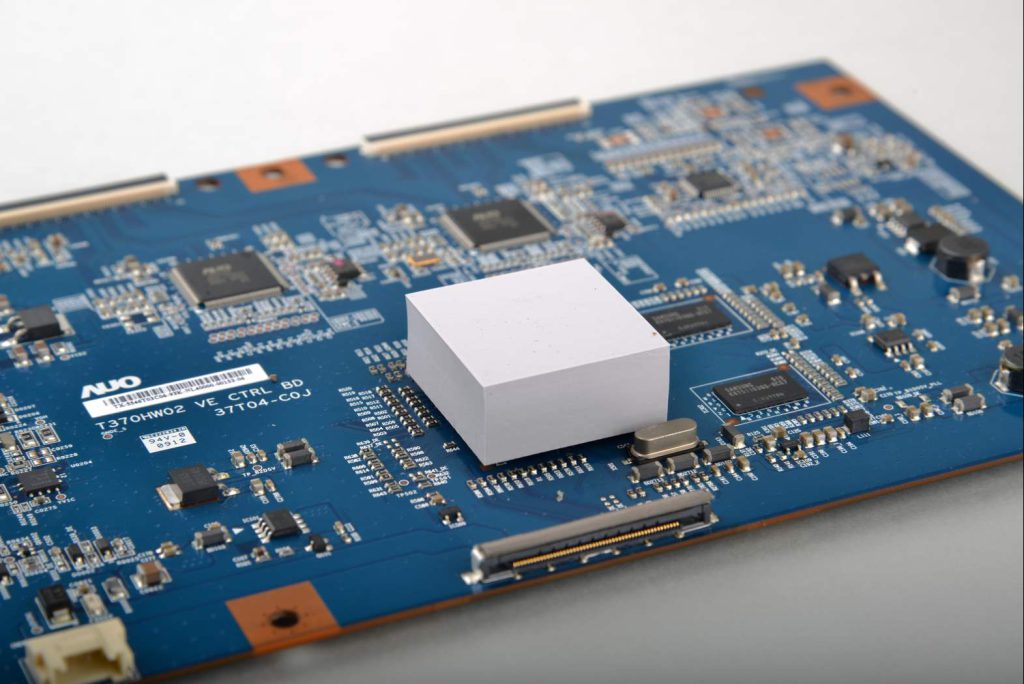
- Inconsistency & Rework: Manual cutting risks dimensional inaccuracies and contamination. An ill-fitting pad creates air gaps, causing hot spots on PCBA that may only be caught during testing, leading to costly rework and repair.
The Precision Advantage: Custom Die-Cutting
Investing in precise, custom-die-cut thermal pads addresses these issues directly. While the unit price may be higher, the benefits create net savings:
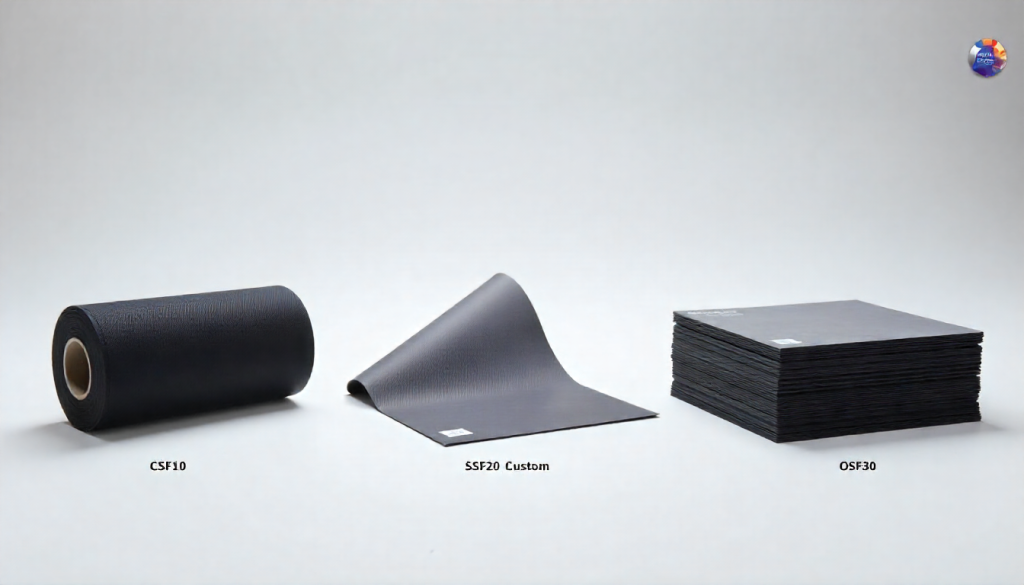
- Minimized Waste: Computer-optimized nesting on material rolls slashes waste to under 5%, dramatically reducing raw material costs for thermal management.
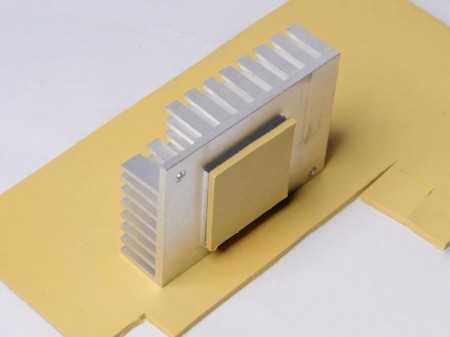
- Assembly Efficiency: Pads arrive kitted and ready for application. Features like pre-applied adhesive or liner tabs enable rapid, mistake-proof installation, boosting production line throughput.
- Guaranteed Performance: Precision ensures perfect fit, guaranteeing the designed thermal performance and coverage, improving first-pass yield rates and reducing field failures.
Calculating Your True TCO
To perform a TCO analysis for TIM selection, create a simple model: (Pad Cost + Labor Cost + Waste Cost + Rework Risk Cost) / Number of Good Units. You’ll often find that the higher-yielding, faster-to-install option delivers a lower final cost per assembled unit. Furthermore, by ensuring consistent thermal performance, you enhance the long-term reliability of electronic products, protecting brand reputation—the most valuable asset of all. Making the switch isn’t just about cooling components; it’s about optimizing your entire thermal management budget for smarter manufacturing.