Thermal Pads for LED Cooling: From Bulbs to Stadium Lights
The efficiency and longevity of LED lighting are directly governed by one critical factor: junction temperature. For every 10°C reduction in operating temperature, LED lifetime can potentially double. This makes the choice of thermal interface material for LED arrays not just a technical detail, but the cornerstone of reliable lighting system design, from household bulbs to industrial floodlights.
The Thermal Bottleneck in Solid-State Lighting
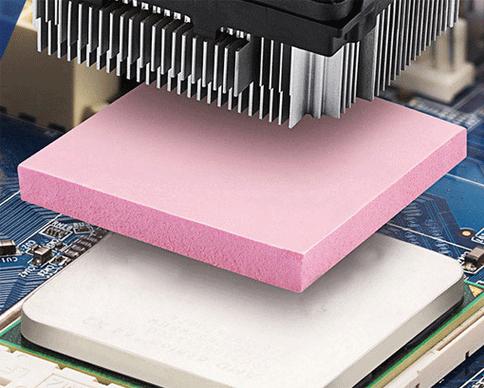
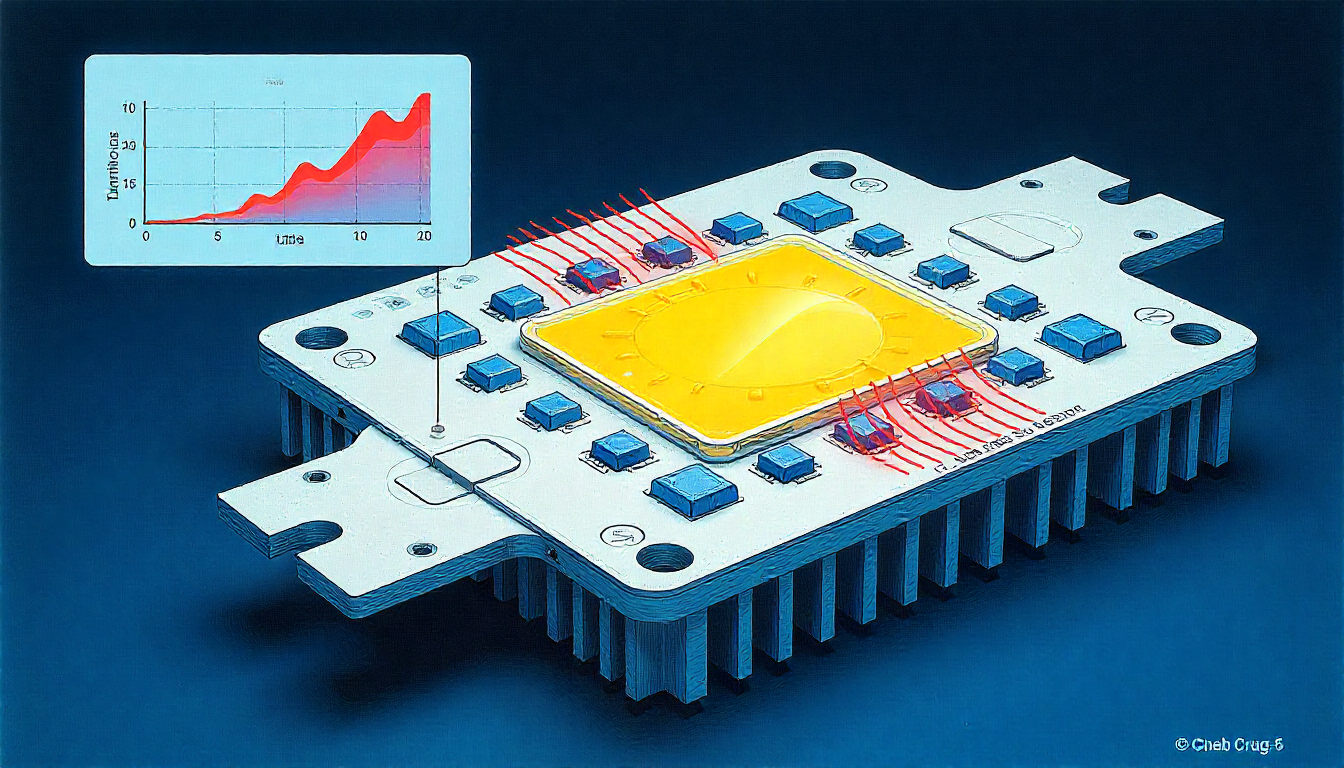
Modern LEDs, especially chip-on-board (COB) LED modules and high-flux single-die emitters, pack immense luminous output into tiny areas, creating intense localized heat. If this heat is not efficiently transferred to the heatsink, the LED’s junction temperature rises, causing luminous flux depreciation (dimming) and a dramatic shortening of its lifespan. The thermal path from the LED ceramic substrate or metal core PCB to the aluminum heatsink is often the weakest link, plagued by microscopic air gaps that act as insulating barriers.
Selecting Pads for Optical Applications
Choosing the right thermal pad for lighting fixtures involves unique considerations beyond basic conductivity:
- Optical Compatibility & Cleanliness: In enclosed fixtures, materials must have low volatility and zero silicone migration to prevent hazy film from coating lenses or reflectors over time, which degrades light output. Non-silicone, dry polymer thermal pads are often specified for this reason.
- Handling Uneven Surfaces & High Pressure: COB LED packages can have slight curvature, and heatsink surfaces are rarely perfectly flat. A soft, high-conformability thermal pad is essential to fill these gaps without requiring excessive mounting force that could crack the fragile ceramic substrate. This ensures low thermal resistance at the LED-heatsink interface.
- Long-Term Stability Under Blue Light & Heat: The environment inside a fixture is harsh, with sustained temperatures of 80-100°C and exposure to short-wavelength light. Pads must resist yellowing or hardening under UV/blue light exposure, maintaining their mechanical and thermal properties for tens of thousands of hours to match the rated lifetime of the LED engine.
Application Strategies for Different Scales
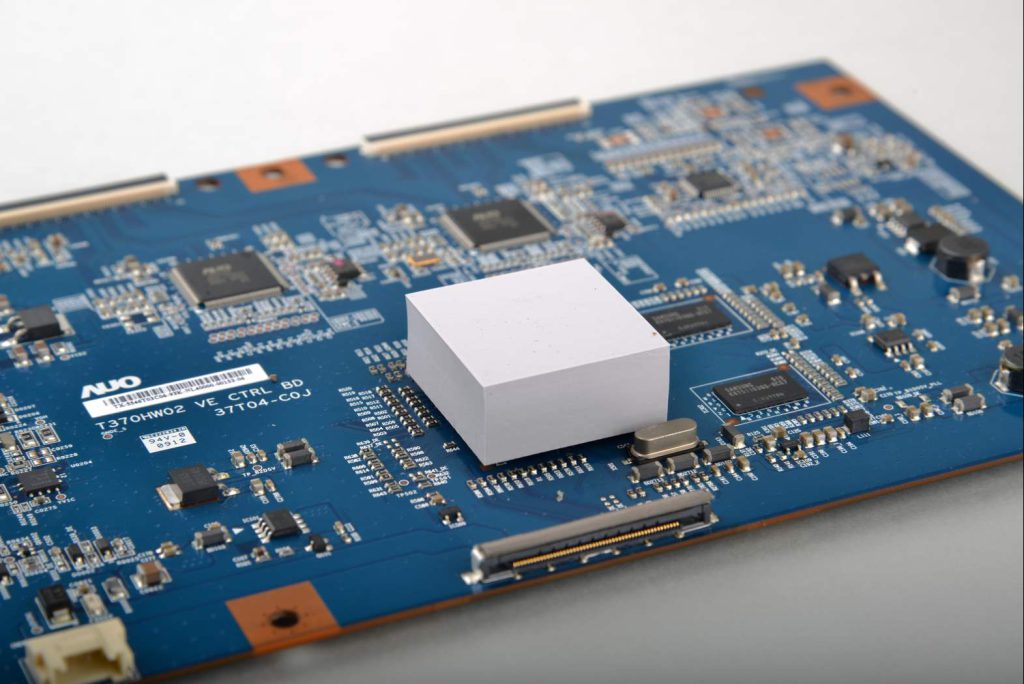
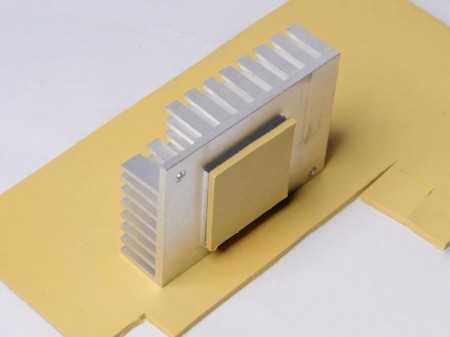
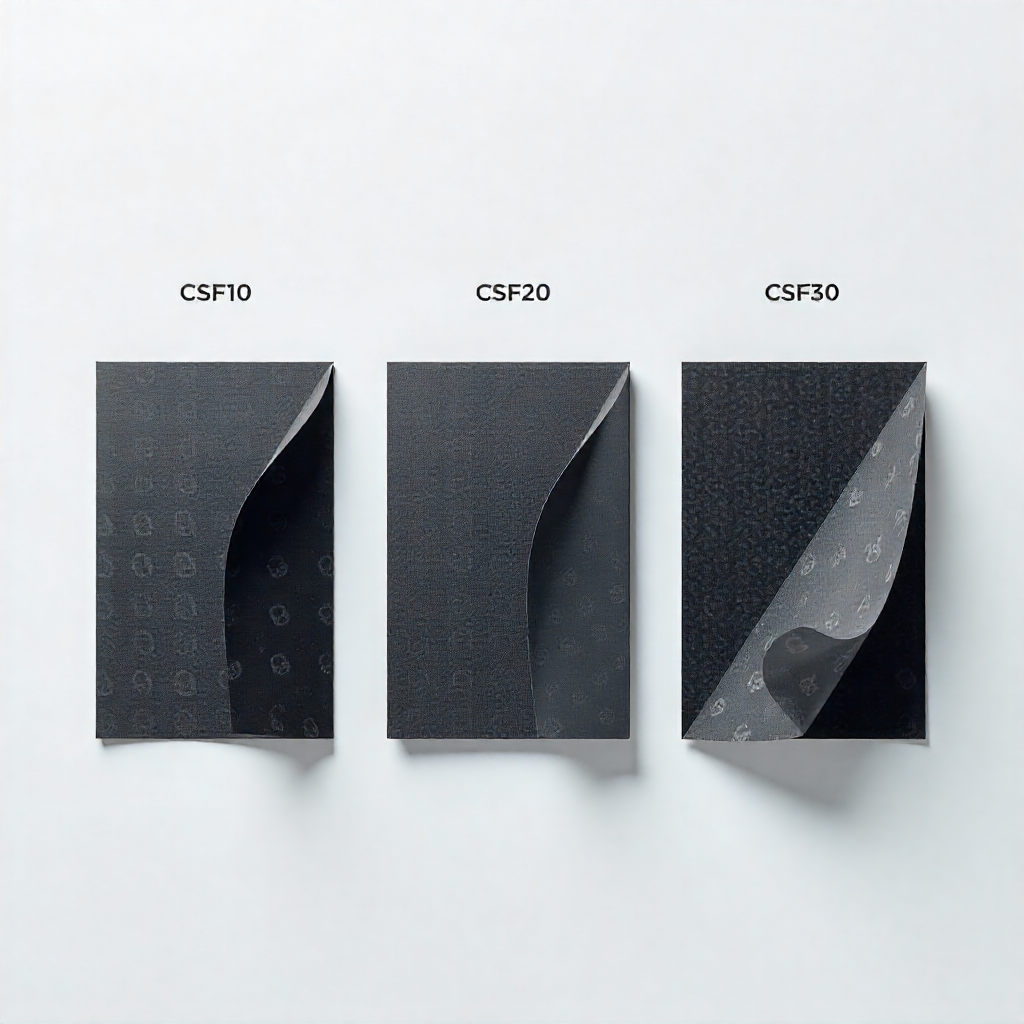
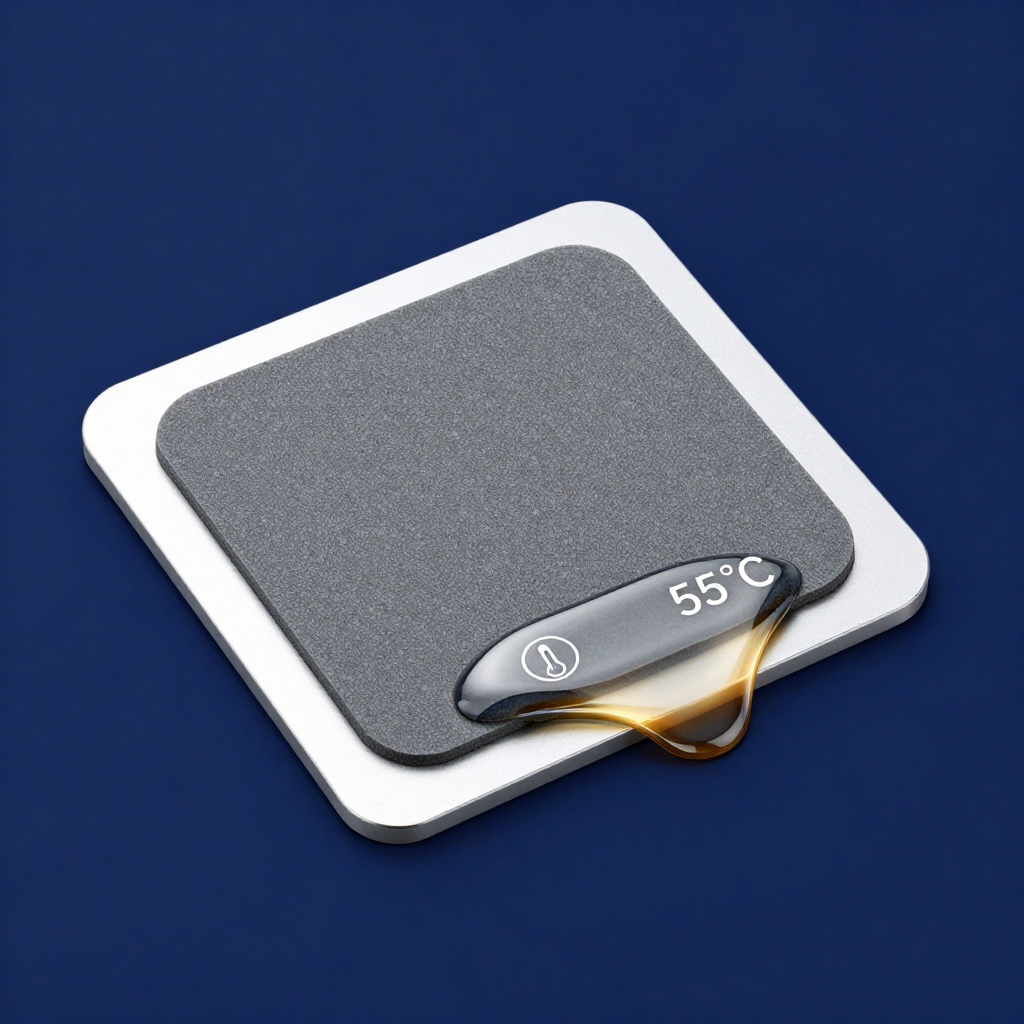
For mass production of LED bulbs and tubes, automation-friendly formats like pre-cut thermal pad stickers or dispensable thermal gels streamline assembly. In contrast, for custom high-power LED projects like grow lights or architectural fixtures, thicker, formable thermal gap filling pads allow engineers to manage larger tolerances between the PCB and a complex, extruded heatsink. A critical best practice is calculating the required thermal pad performance based on the LED’s thermal load and the system’s target thermal resistance from junction to ambient (Rθj-a). By mastering the interface, lighting designers unlock the full potential of their LEDs, ensuring consistent color temperature and maximum lumen maintenance throughout the product’s life.