Writing Bulletproof TIM Specs: Key Clauses to Include in Your RFQ and Design Documentation
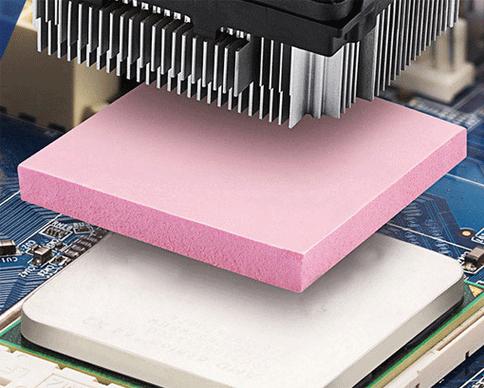
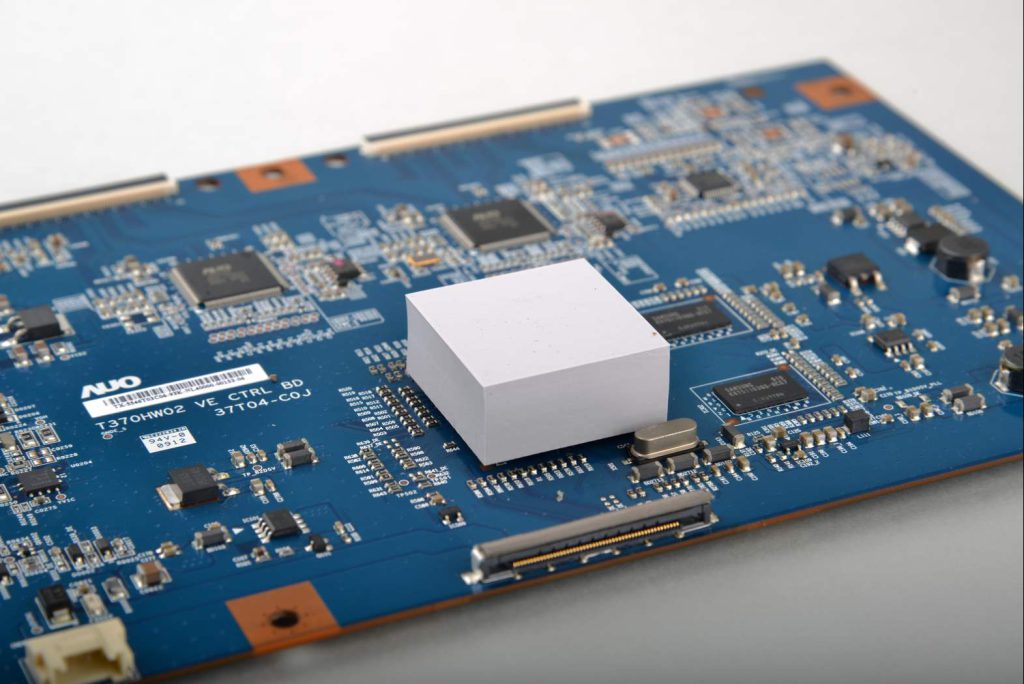
An unclear or incomplete technical specification is the root cause of many supply chain issues. When sourcing a Thermal Interface Material (TIM), a precise specification ensures every supplier bids on the same requirements and delivers a compliant product. Don’t just ask for a “1.8 W/m·K pad.”
Essential Clauses for Your TIM Specification Document:
- Performance Requirements:
- Thermal Conductivity: State the required value (e.g., 1.8 W/m·K) and the test standard (e.g., ASTM D5470). This defines how it’s measured.
- Thermal Impedance/Resistance: Often more critical. Specify the maximum allowable value at a defined pressure and interface temperature.
- Phase Change Temperature: Define the nominal melting range (e.g., 45-55°C).
- Material & Reliability Requirements:
- Base Polymer: Specify if silicone, polyolefin, or other is required, especially for chemical compatibility.
- Flammability Rating: e.g., “Shall meet UL 94 V-0.”
- Environmental Compliance: “Shall be compliant with RoHS 3 and REACH SVHC list, with supporting documentation.”
- Reliability Testing: “Material shall show less than 15% increase in thermal impedance after 1000 cycles from -40°C to +125°C.”
- Physical & Delivery Requirements:
- Thickness: Include nominal thickness and tolerance (e.g., 0.50mm ±0.05mm).
- Hardness (Shore OO or Shore A): Defines compressibility.
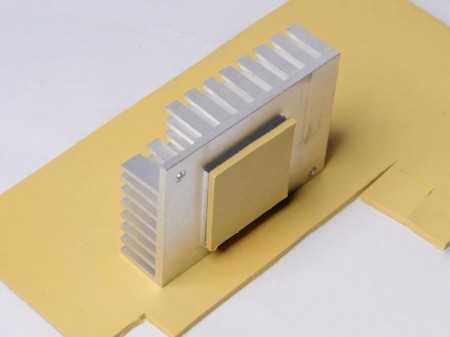
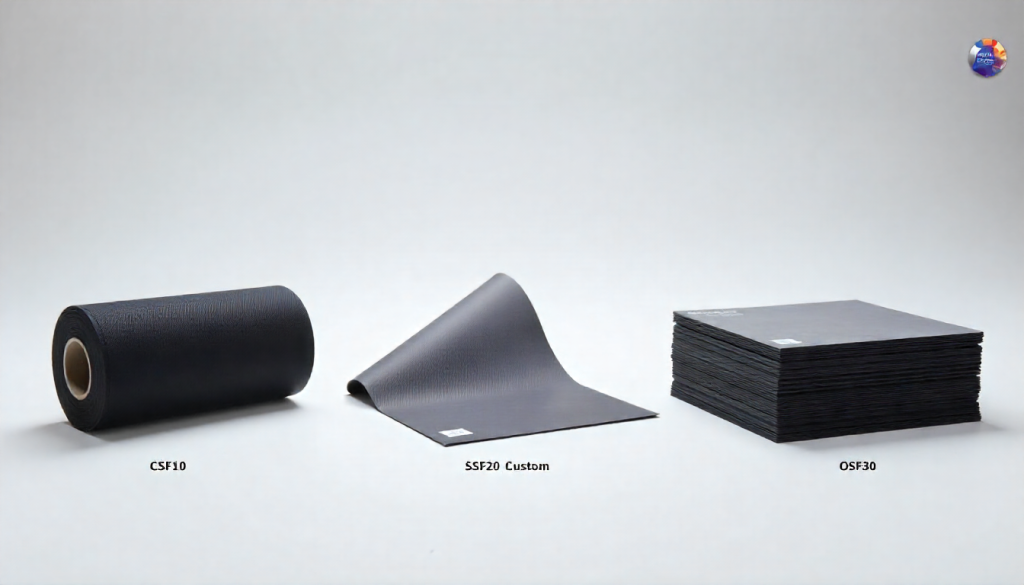
- Delivery Format: “Supplied as 200mm x 200mm sheets with polyester liners, or pre-cut to drawing [DWG-001] on 300mm reels.”
- Lot Traceability: “Each shipment must include a Certificate of Analysis with lot number.”
The Result: A bulletproof spec eliminates ambiguity, speeds up supplier qualification, and provides a clear benchmark for incoming quality inspection. It transforms the TIM from a commodity into a fully specified, performance-guaranteed component.