

The Silent Interface Degrader: Managing Intermetallic Growth in Solder and Metal-Based TIMs
When the Thermal Interface Material (TIM) itself is a metal—such as solder, indium foil, or sintered silver—a different class of […]
When the Thermal Interface Material (TIM) itself is a metal—such as solder, indium foil, or sintered silver—a different class of […]
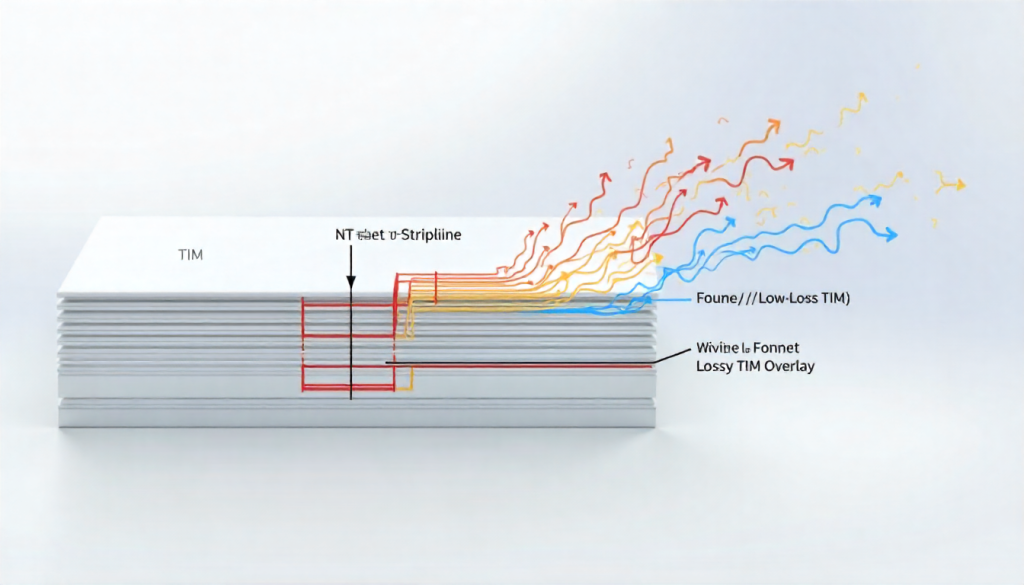
As digital signal speeds breach 50+ Gbps and RF systems operate deep into millimeter-wave bands, every material in proximity to
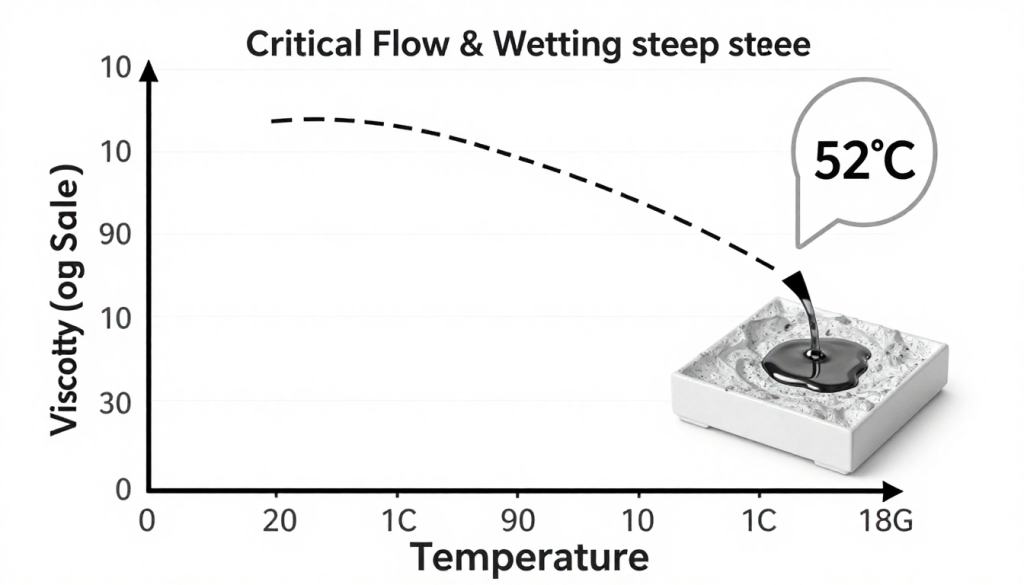
The defining characteristic of a phase change Thermal Interface Material (TIM) is not just its melting point, but its complete viscosity-temperature

In sealed, sensitive, or vacuum environments, the greatest threat from a Thermal Interface Material (TIM) isn’t its thermal resistance—it’s the
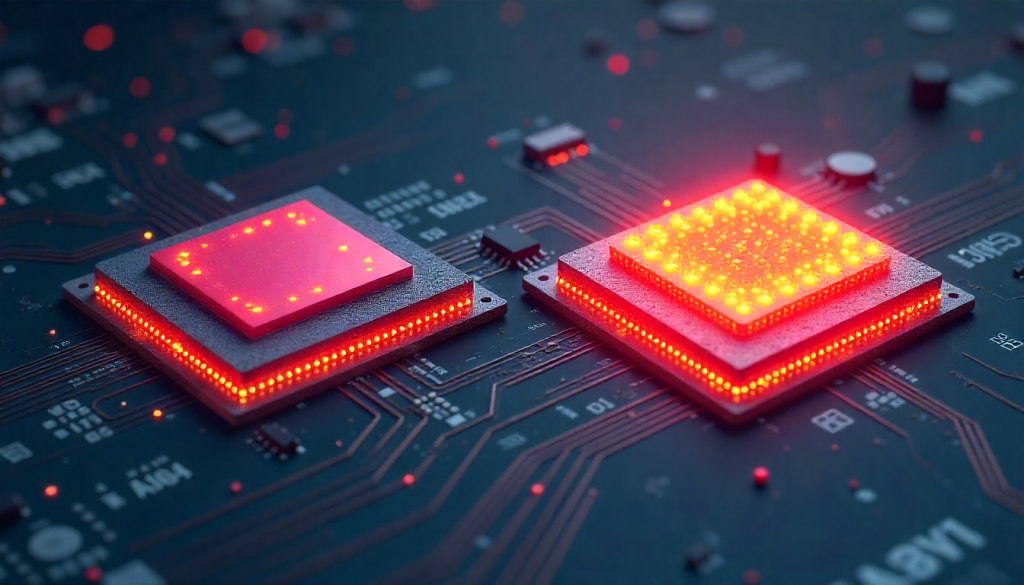
Most Thermal Interface Materials are isotropic—they conduct heat equally in all directions. However, a powerful subclass exists: anisotropic TIMs. These materials have
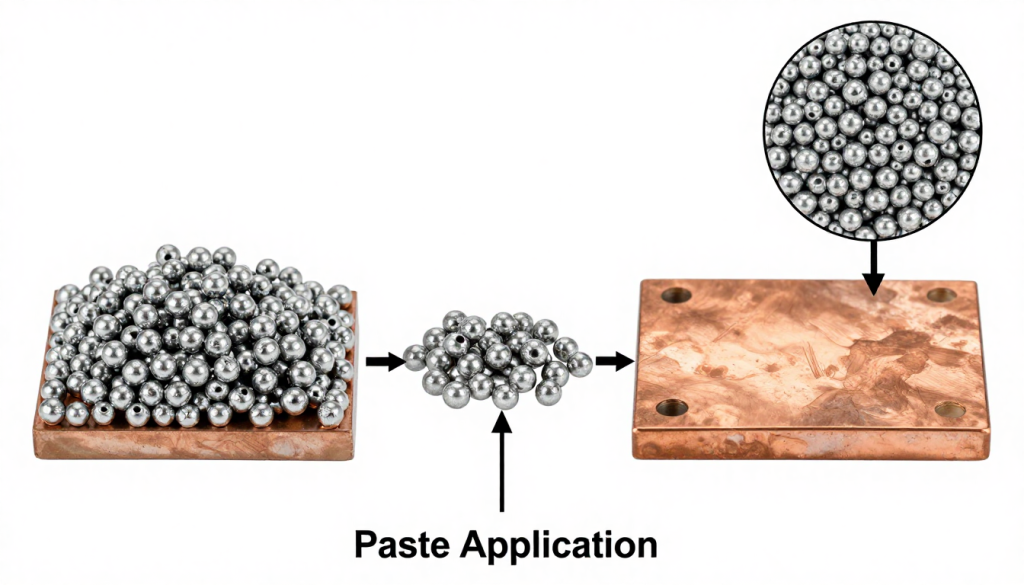
When heat fluxes exceed 500 W/cm² and absolute thermal resistance must be minimized, polymer-based TIMs—even the best phase change pads
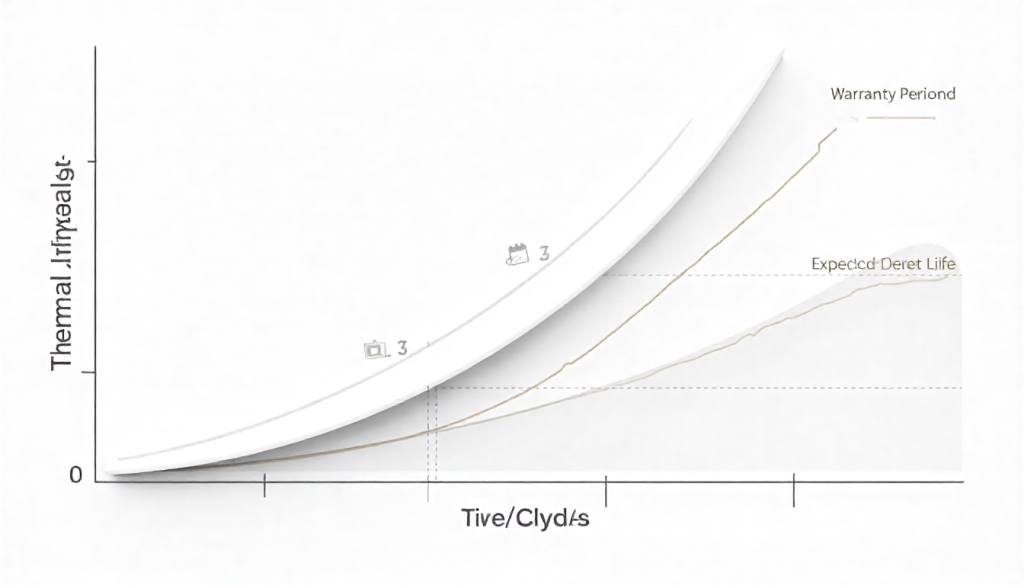
A thermal design validated at time zero is not guaranteed for the life of the product. All Thermal Interface Materials
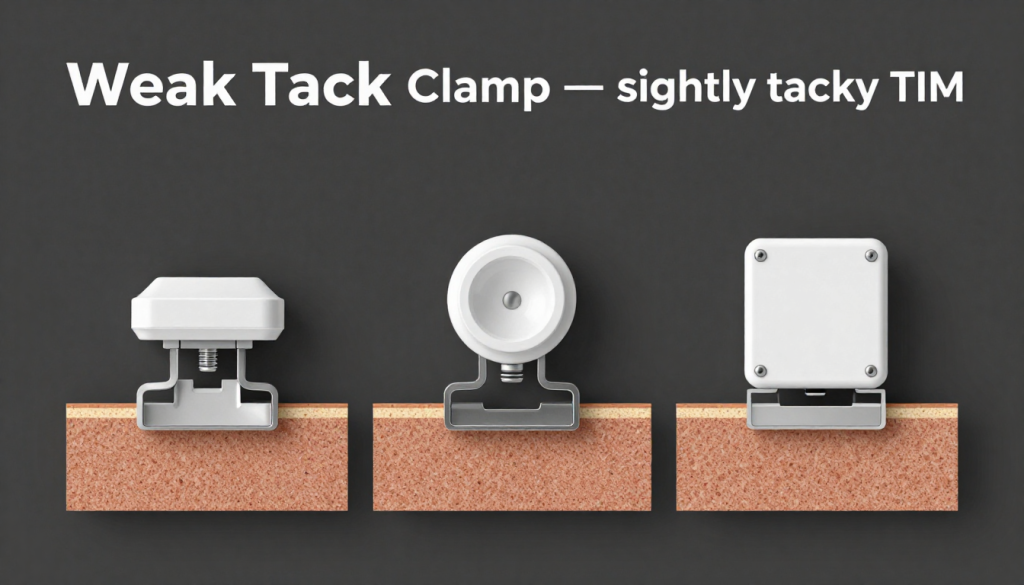
Adhesion is the silent partner to thermal conductivity in a Thermal Interface Material’s performance. Too weak, and the TIM may

Thermal design is a system optimization problem. The performance of the Thermal Interface Material doesn’t exist in a vacuum; it
In the race for miniaturization and higher clock speeds, thermal management structures are placed millimeters away from multi-gigabit-per-second data lanes.
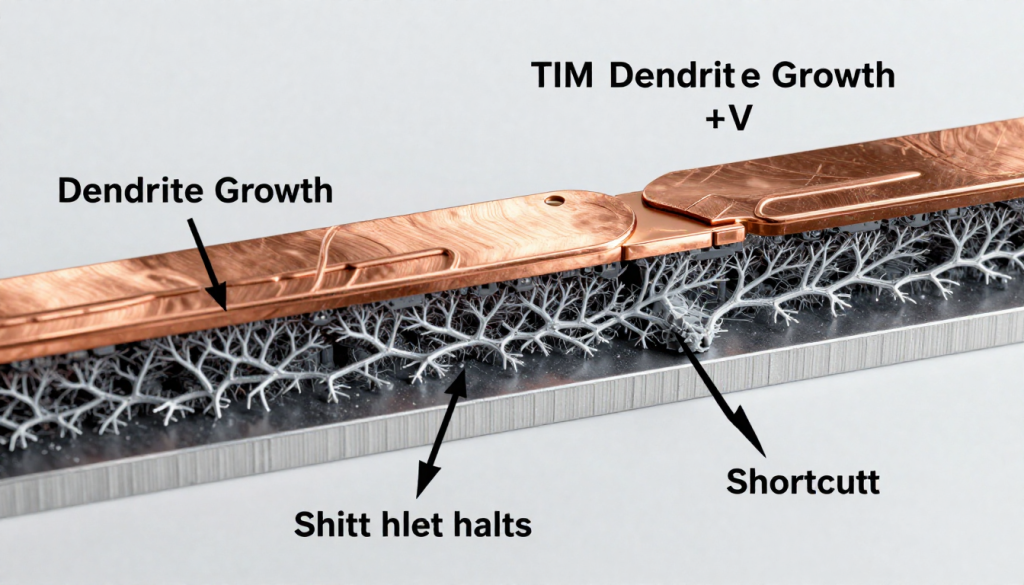
Beyond thermal and electrical failures, a more clandestine threat exists: electrochemical failure. Certain Thermal Interface Materials can act as a reservoir

In automated electronics manufacturing, every material contact point matters. While thermal performance is paramount, the tribological properties of a Thermal Interface Material—its