

Gentle But Effective: Selecting TIMs for Low-Pressure and Fragile Assemblies
Not all electronics can withstand the high clamping pressure of a traditional heatsink. Fragile packages (e.g., certain BGAs, ceramic modules), […]
Not all electronics can withstand the high clamping pressure of a traditional heatsink. Fragile packages (e.g., certain BGAs, ceramic modules), […]
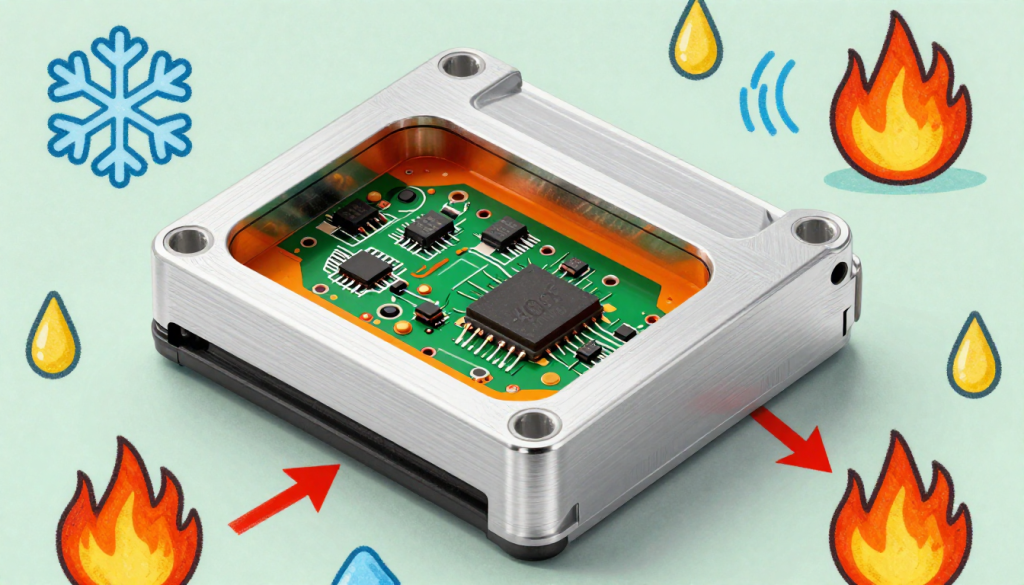
An automotive ECU operates in one of the most punishing environments for electronics: directly exposed to extreme temperatures, constant vibration,
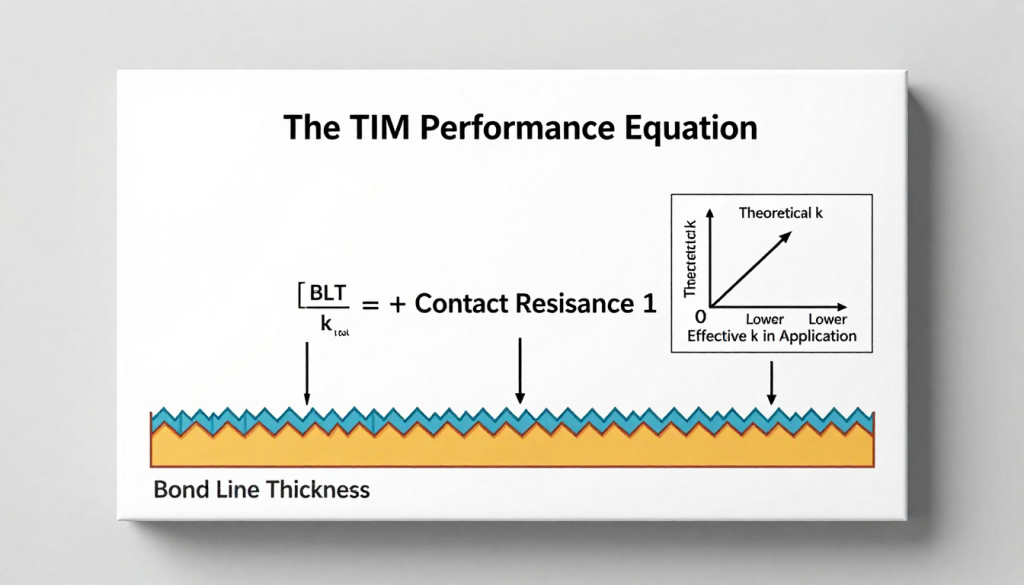
Thermal conductivity, expressed in Watts per meter-Kelvin (W/m·K), is the headline number for any Thermal Interface Material. But a higher number
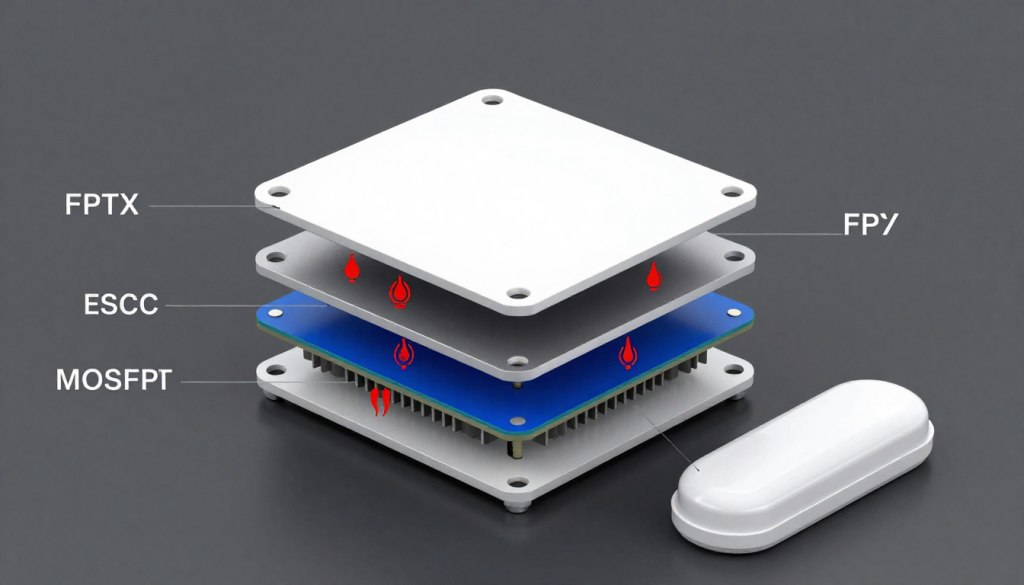
In FPV (First-Person View) drones, every gram matters, and electronics are packed into a minimal “stack.” Components like ESCs (Electronic
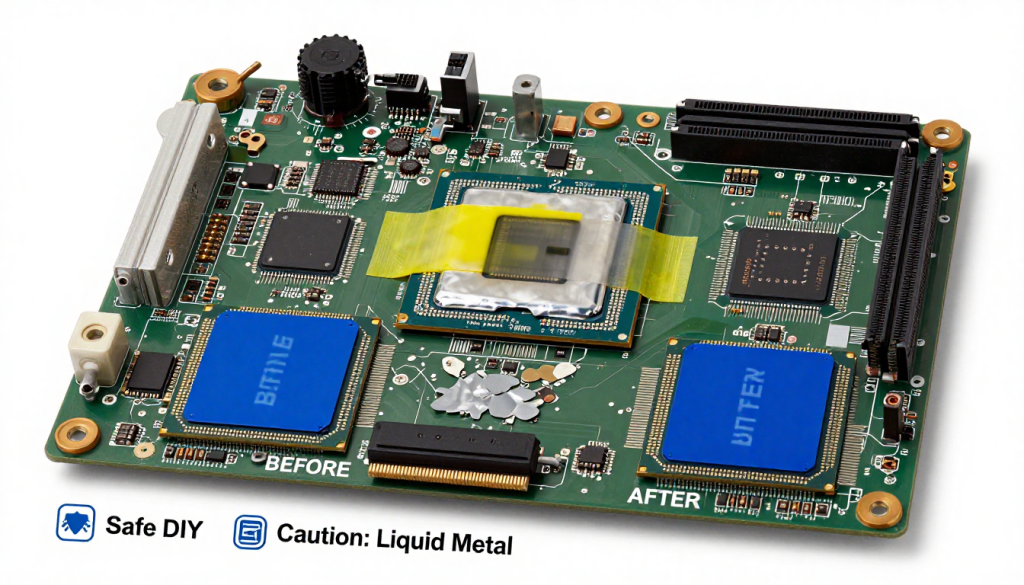
Is your PlayStation 5 sounding like a jet engine or shutting down due to overheating? Dust buildup and degraded thermal

The debate between thermal grease and thermal pads is perennial. Grease promises low initial resistance; pads promise clean application and
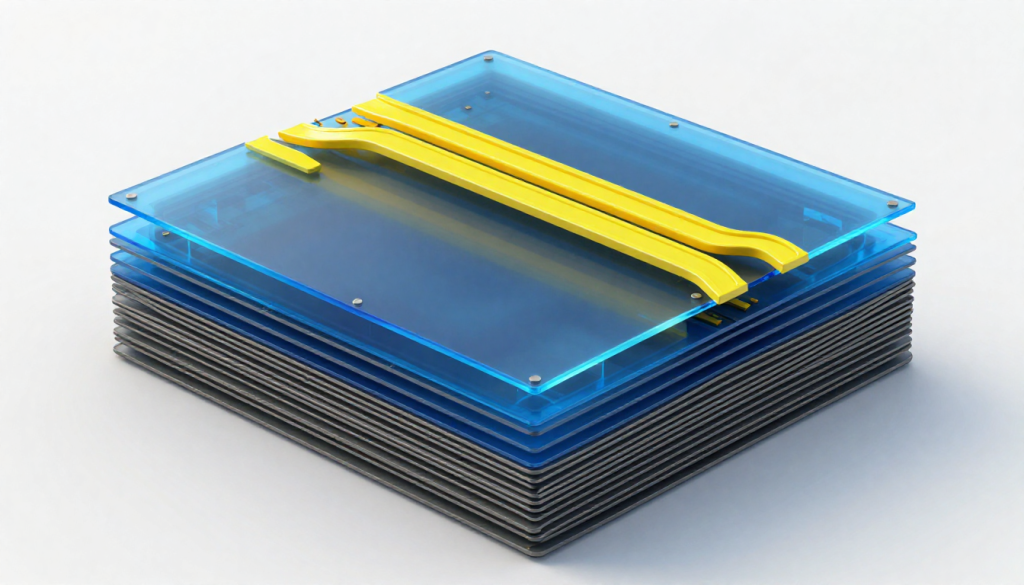
A Peltier Cooler (TEC) is only as effective as its thermal interfaces. The cooling performance is critically dependent on minimizing
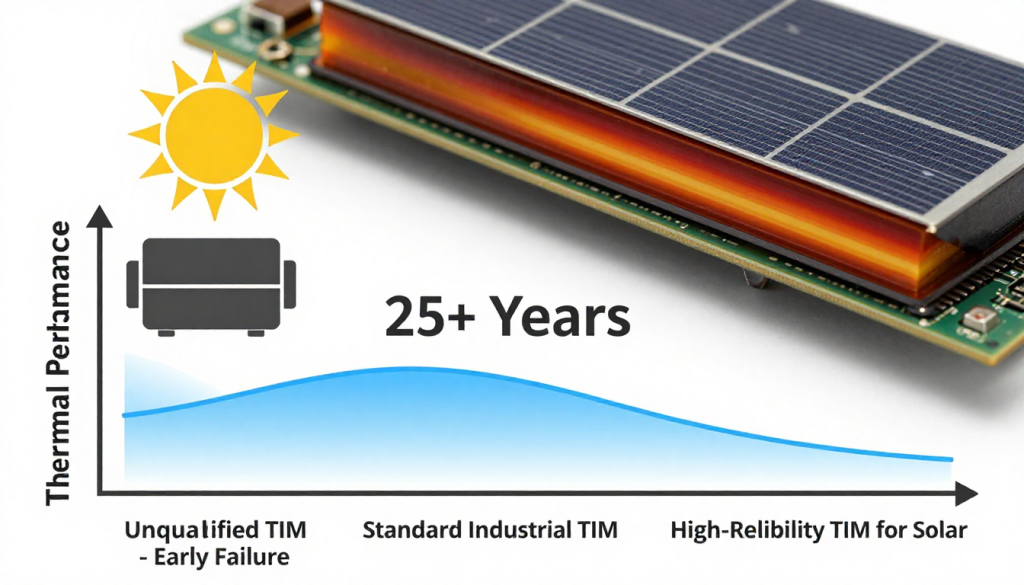
A solar inverter is the heart of a PV system, converting DC to AC for 25+ years in harsh outdoor

When a design demands high thermal conductivity but mandates electrical insulation, standard fillers like aluminum oxide (alumina) hit a performance wall,

In the hard vacuum of space or the controlled environment of a sensitive instrument, traditional Thermal Interface Materials (TIMs) pose
When a product overheats prematurely, the Thermal Interface Material (TIM) is a prime suspect. However, “TIM failure” is not a
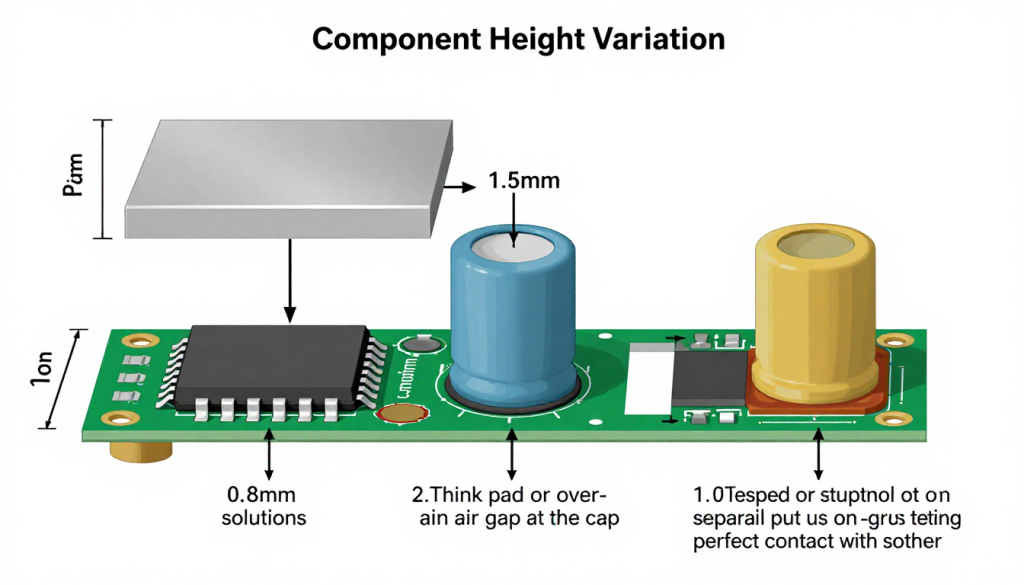
Selecting a Thermal Interface Material (TIM) with the wrong thickness is a leading cause of thermal failure. Too thick, and