Direct Liquid Cooling: Optimizing TIMs for CPU/GPU Cold Plates
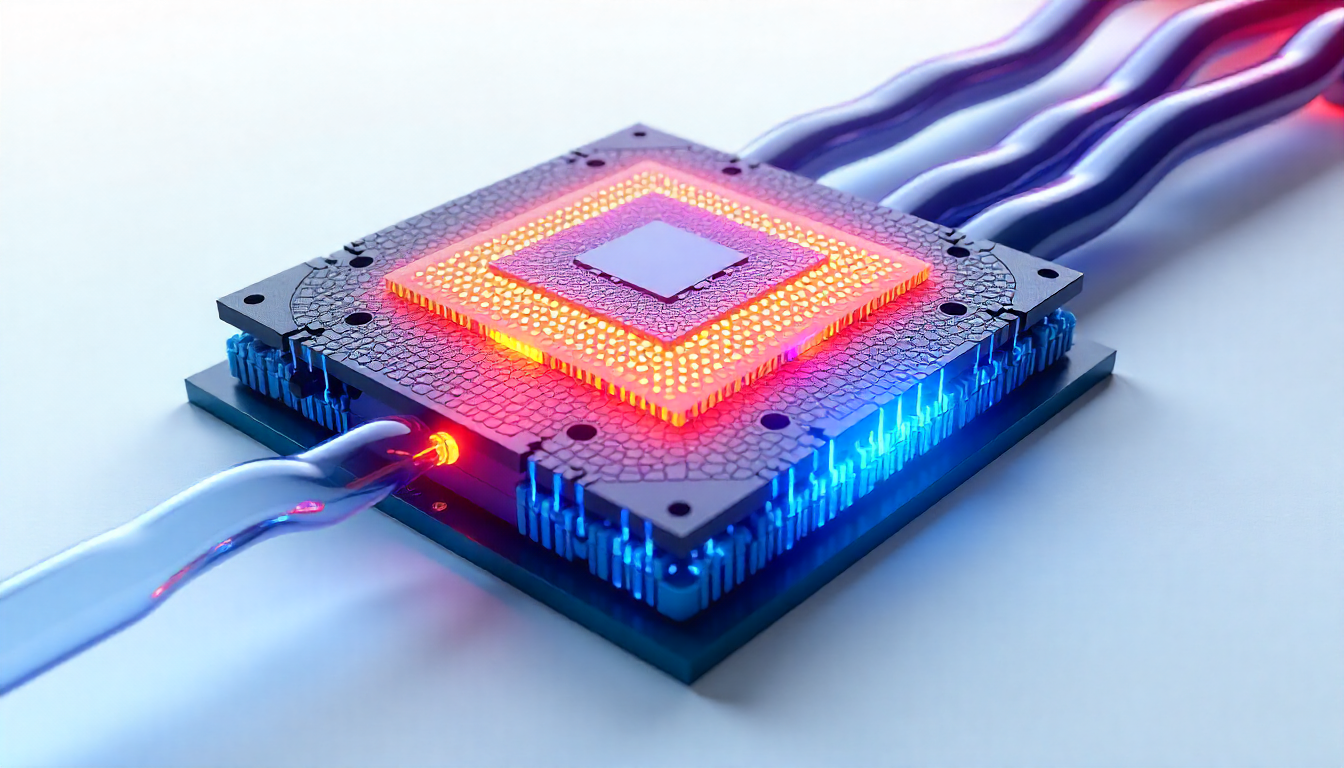
As server power densities escalate beyond the limits of air cooling, Direct Liquid Cooling has emerged as the thermal management solution for next-generation data centers. While DLC systems offer superior heat removal capabilities, their effectiveness hinges on the microscopic interface between the cold plate and the processor die. This critical junction, managed by advanced thermal interface materials for direct-to-chip cooling, represents both the greatest opportunity and the most significant bottleneck in achieving optimal heat transfer efficiency in high-performance computing.
The Extreme Environment of DLC Interfaces
Unlike traditional heatsinks, DLC cold plates operate with coolant temperatures often approaching the dew point, creating challenging conditions for TIM performance. The interface must withstand:
- Extreme Thermal Cycling: Rapid temperature changes from idle to full computational load create significant mechanical stress.
- High Clamping Pressures: Cold plates typically require higher mounting pressures than air-cooled solutions to minimize interface resistance.
- Chemical Compatibility: TIMs must resist degradation from potential coolant leakage or condensation.
- Micro-gap Management: With heat fluxes exceeding 100 W/cm² on modern CPUs and GPUs, even nanometer-scale voids can cause dramatic temperature spikes.
Material Evolution for Liquid-Cooled Processors
The shift to DLC has driven innovation in TIM formulations specifically engineered for low thermal impedance in cold plate applications:
- Metal-Based TIMs: Liquid metal thermal compounds offer unparalleled thermal conductivity (often >60 W/mK) and are increasingly used in specialized high-performance computing clusters where their electrical conductivity can be carefully managed through containment strategies.
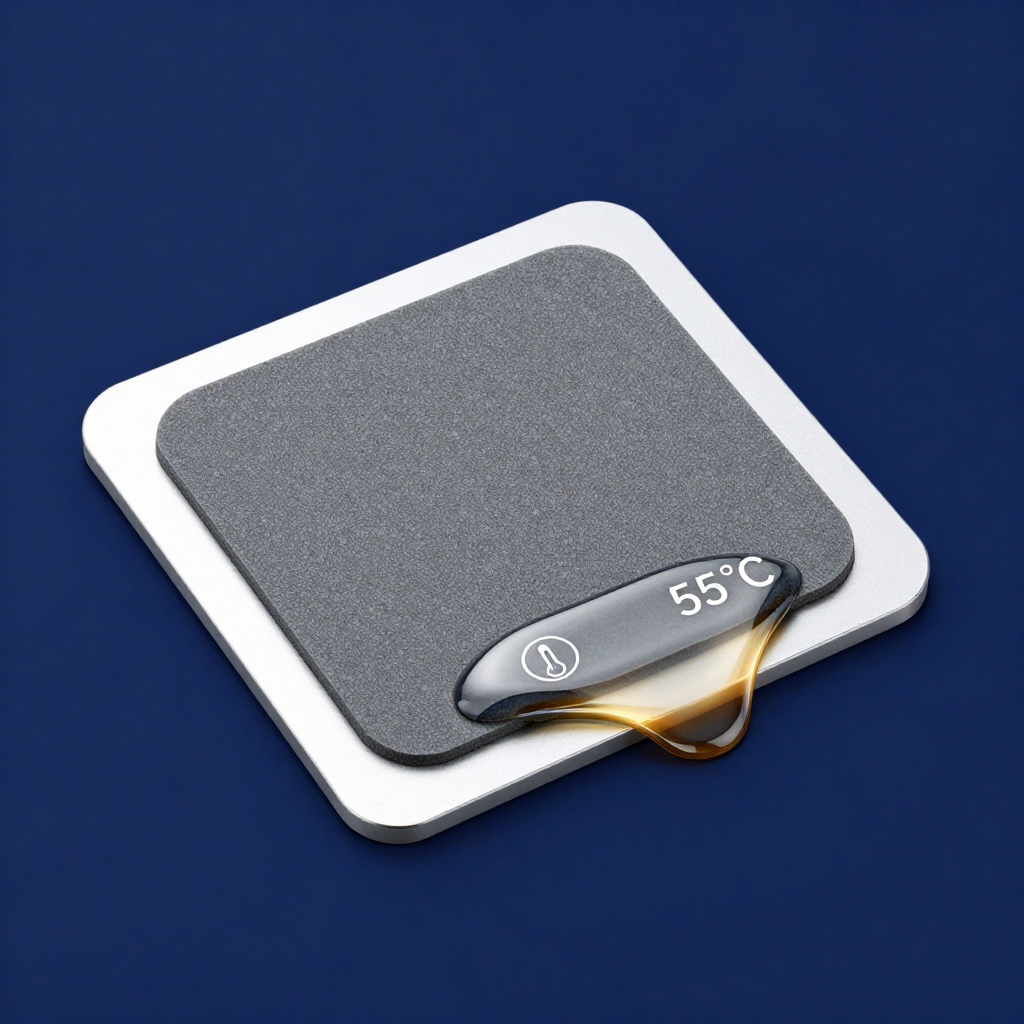
- Phase-Change Materials with Enhanced Properties: Next-generation PCMs for server cold plates are formulated to maintain stability under higher pressures and across broader temperature ranges, providing consistent thermal performance in varying server workloads.
- Gel-Type Thermal Interface Materials: These materials flow to fill microscopic imperfections while resisting pump-out under the vibration and thermal cycling in data center environments, making them ideal for large-die GPU cooling in AI servers.
Implementation and Reliability Considerations
Successful DLC deployment requires addressing several practical concerns:
- Application Precision: The uniform application of TIMs on server processors becomes critical with DLC, as uneven coverage can lead to localized hot spots. Automated dispensing systems or pre-applied TIM films are becoming standard in high-volume server manufacturing.
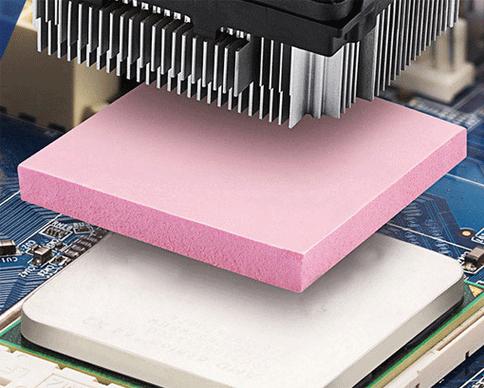
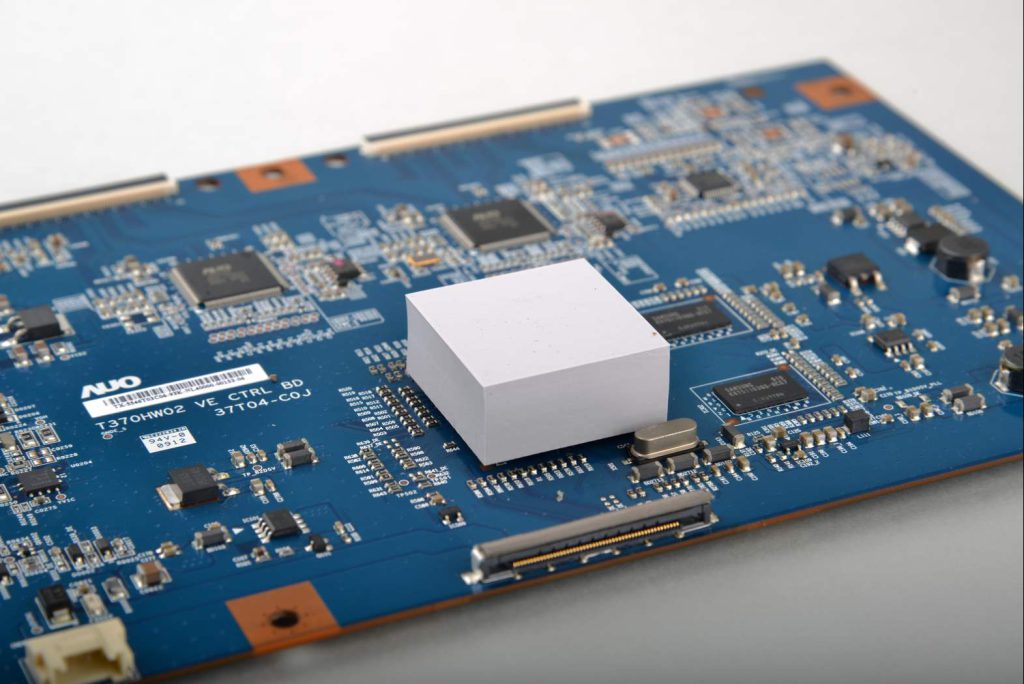
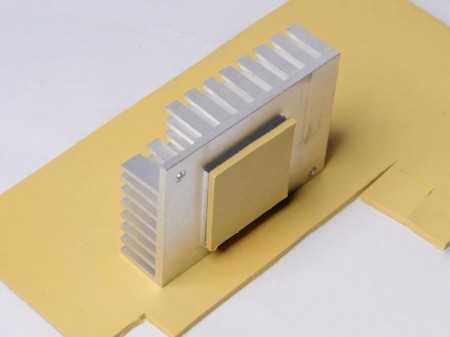
- Maintenance and Serviceability: Data center operators need solutions that allow for processor replacement without TIM rework complications. This has increased demand for reworkable high-performance thermal pads that maintain their properties through multiple installation cycles.
- Long-Term Reliability Testing: TIMs for DLC must demonstrate performance stability over 5+ years of continuous operation under varying load conditions. Accelerated testing protocols that simulate real-world server thermal cycling patterns are essential for qualification.
The Future of DLC Interfaces
As server power continues its upward trajectory, the industry is exploring direct bonding techniques and solder-based TIMs that promise near-perfect thermal interfaces. However, for the foreseeable future, advanced polymeric and metallic TIMs will remain essential enablers of scalable liquid cooling infrastructure for AI and HPC data centers. By optimizing these microscopic interfaces, engineers can unlock the full potential of liquid cooling—delivering higher computational density, improved energy efficiency, and unprecedented thermal stability for mission-critical computing workloads.