TEC Thermal Management: Optimizing Hot & Cold Side Interfaces
Thermoelectric coolers represent a unique frontier in thermal management, offering precise, solid-state temperature control for applications from laser diodes to medical devices. However, the true performance of a TEC module hinges not just on its specifications, but on the thermal interface materials on both the hot and cold sides. Inefficient interfaces can drastically reduce cooling capacity and system efficiency, making TIM selection critical for optimizing TEC-based cooling systems.
The Dual-Interface Challenge
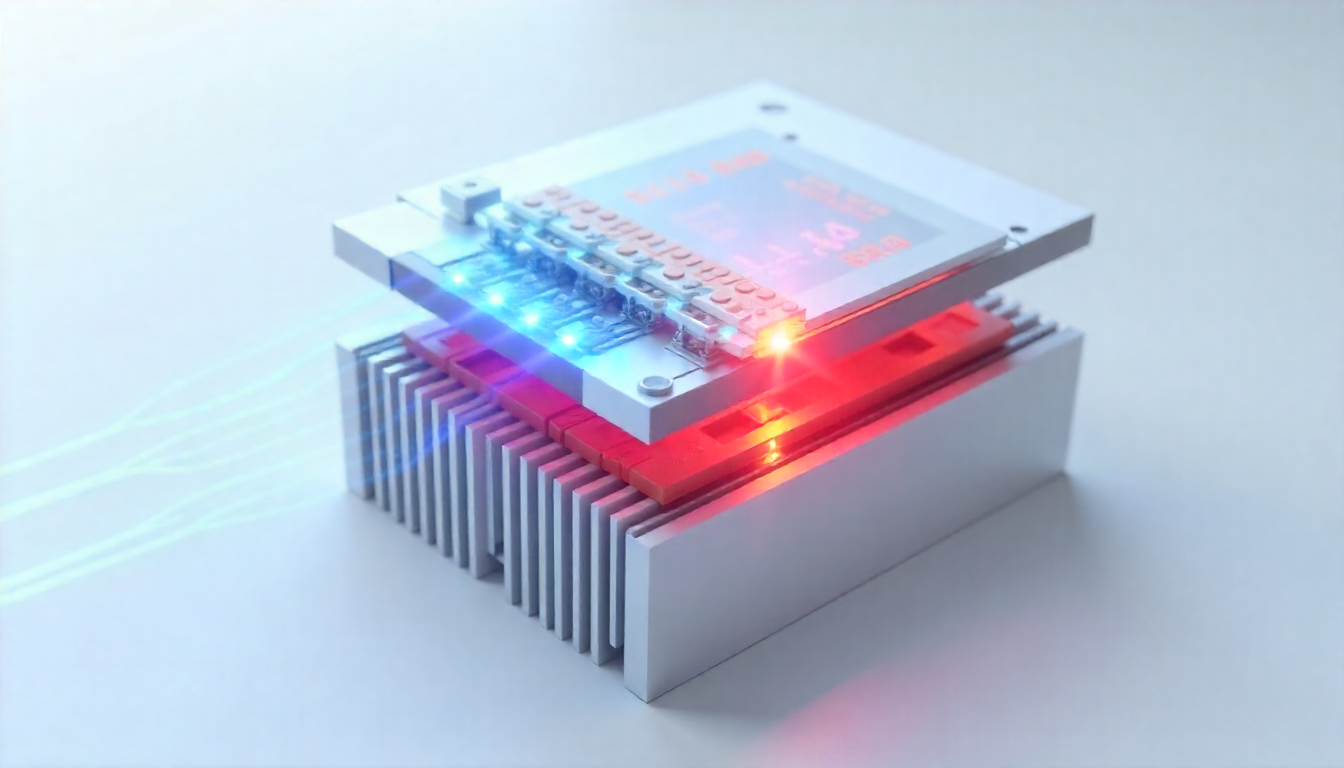
A TEC’s cooling capacity is directly compromised by thermal resistance at its interfaces. On the cold side of a Peltier cooler, any gap between the TEC ceramic plate and the target device creates an insulating barrier, reducing the effective delta-T. Simultaneously, on the hot side, inadequate heat rejection leads to elevated temperatures, further diminishing performance through decreased Carnot efficiency. This dual requirement demands low thermal impedance TIMs for TEC mounting that ensure minimal temperature drop across both interfaces.
Material Selection for Maximum ∆T
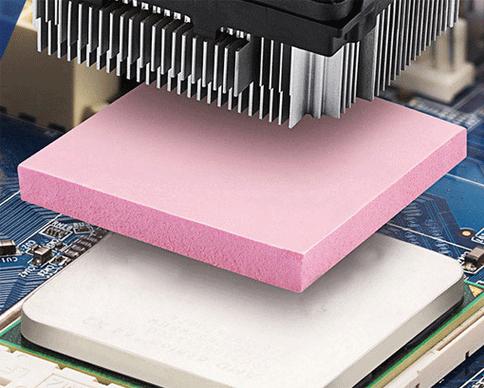
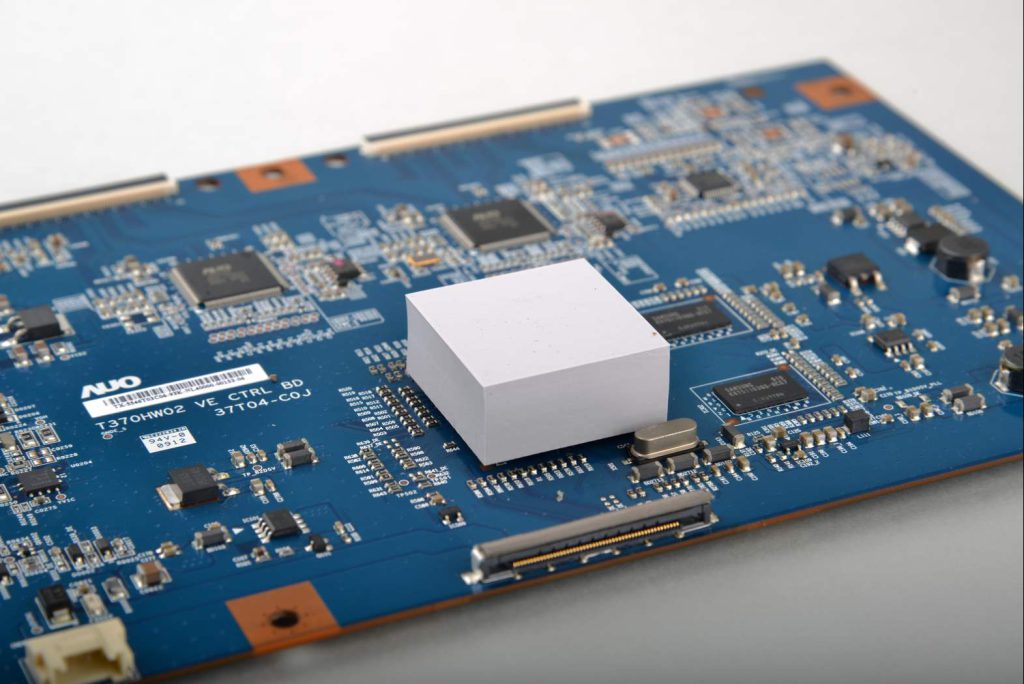
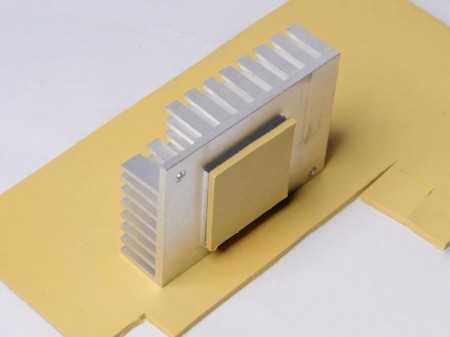
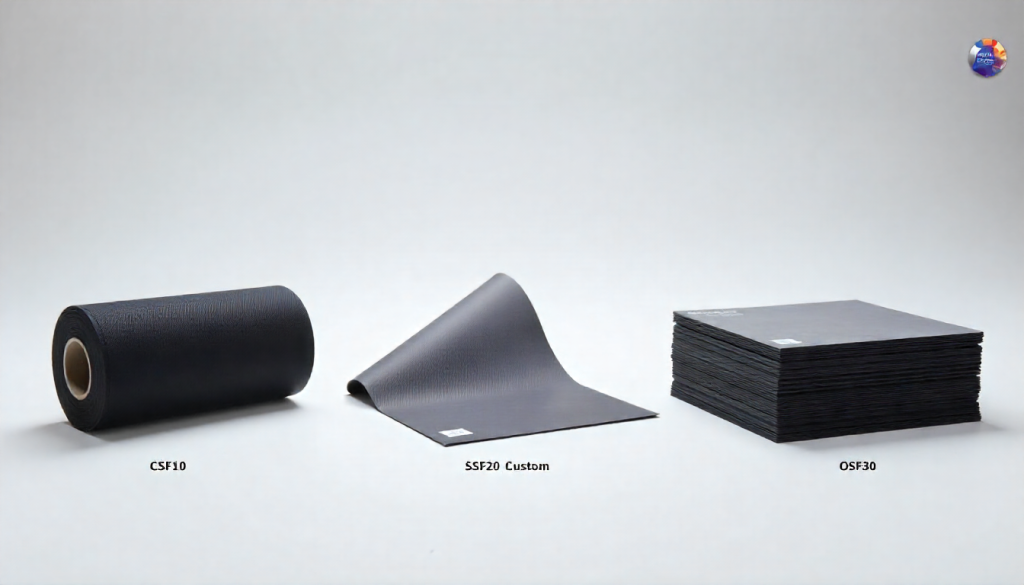
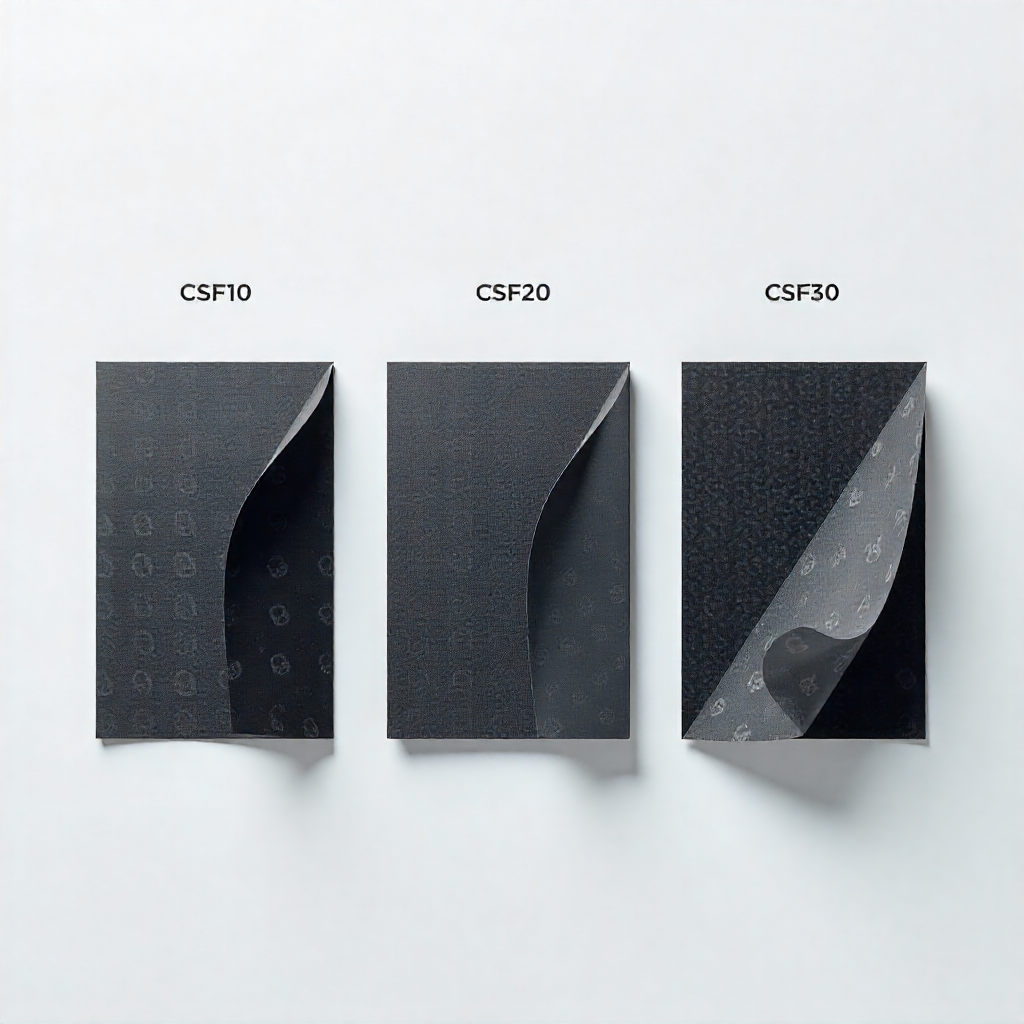
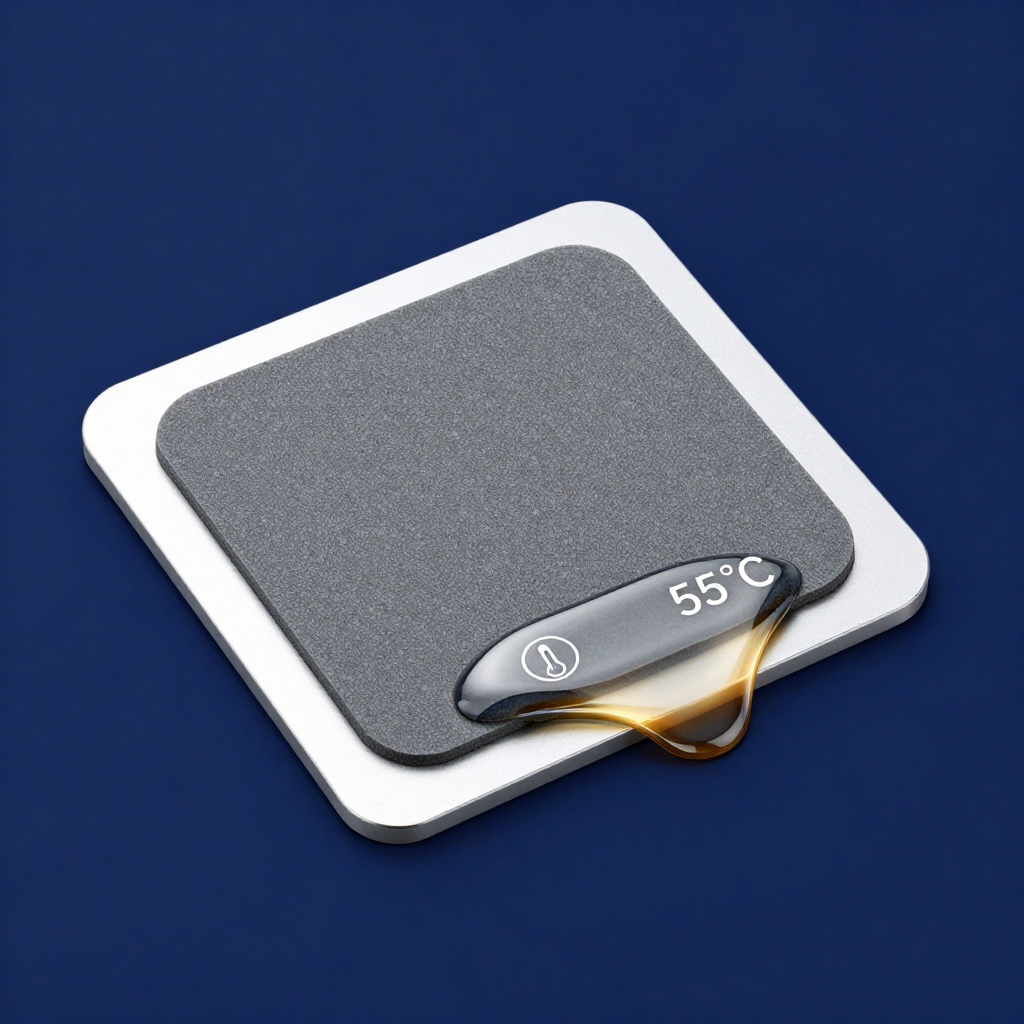
- Cold Side Considerations: The interface must be thermally conductive yet electrically insulating to protect sensitive devices. Phase change thermal pads are particularly effective here, as they melt slightly at operating temperature to form a near-perfect, void-free bond with extremely low contact resistance. For applications requiring reworkable TEC assemblies, high-performance graphite sheets or soft silicone pads provide excellent balance.
- Hot Side Demands: This interface often handles higher heat flux. Thermal grease or high-thermal-conductivity gap pads are common, but for long-term reliability in vibration-prone environments, cured thermal gap fillers or solder-based preforms may be specified to prevent pump-out. Proper hot side heatsink design for TEC modules must be paired with a TIM that can accommodate potential surface unevenness.
- Mechanical Stress Management: TECs are brittle ceramic devices sensitive to mechanical stress. TIMs should provide sufficient compliance to absorb thermal expansion mismatches between the TEC, heatsinks, and mounted components, preventing fracture during thermal cycling in active cooling systems.
System Integration and Performance Validation
Beyond material choice, proper mounting pressure for TEC interfaces is crucial—too little increases resistance, too much risks damage. Using thermal interface materials with controlled thickness and compressibility helps achieve consistent pressure distribution. For designers, modeling TEC system performance with interface losses using manufacturer-provided thermal impedance data is essential. In critical applications like cooling for quantum computing components or laser diodes, validating the complete thermal chain through testing ensures the system achieves its theoretical maximum cooling power and temperature stability. By mastering these interfaces, engineers unlock the full potential of solid-state cooling technology.