The Critical Interface: Choosing the Right TIM for Peltier Cooler Applications
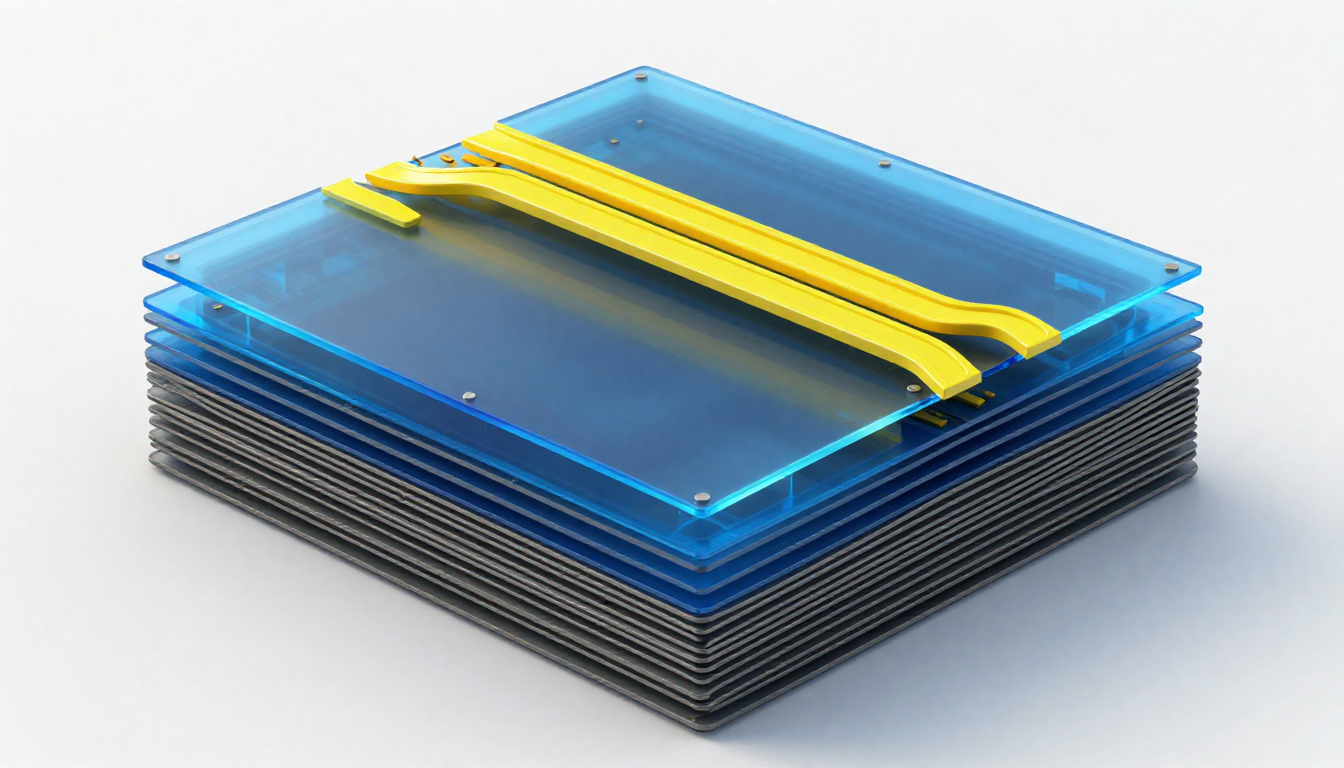
A Peltier Cooler (TEC) is only as effective as its thermal interfaces. The cooling performance is critically dependent on minimizing thermal resistance on both the hot and cold sides. Using an inappropriate Thermal Interface Material (TIM) can waste over 50% of a TEC’s potential cooling power, turning an active cooling solution into an inefficient heater.
The Dual-Side Challenge:
- Cold Side: This interface must be highly conductive to pull heat efficiently from the target (e.g., a laser diode, sensor). However, it will operate below ambient, risking condensation. The TIM must be effective at low temperatures and, if necessary, include strategies to prevent moisture ingress.
- Hot Side: This interface handles all the heat pumped from the cold side PLUS the TEC’s own resistive heating (I²R losses). This often results in a higher heat flux than the cold side. The TIM here must have exceptional performance and often connects to a robust heatsink or liquid cold plate.
TIM Selection Guidelines for TECs:
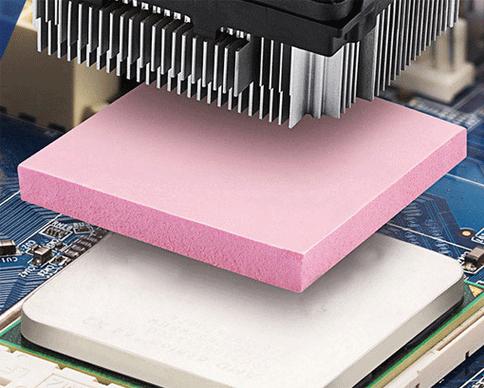
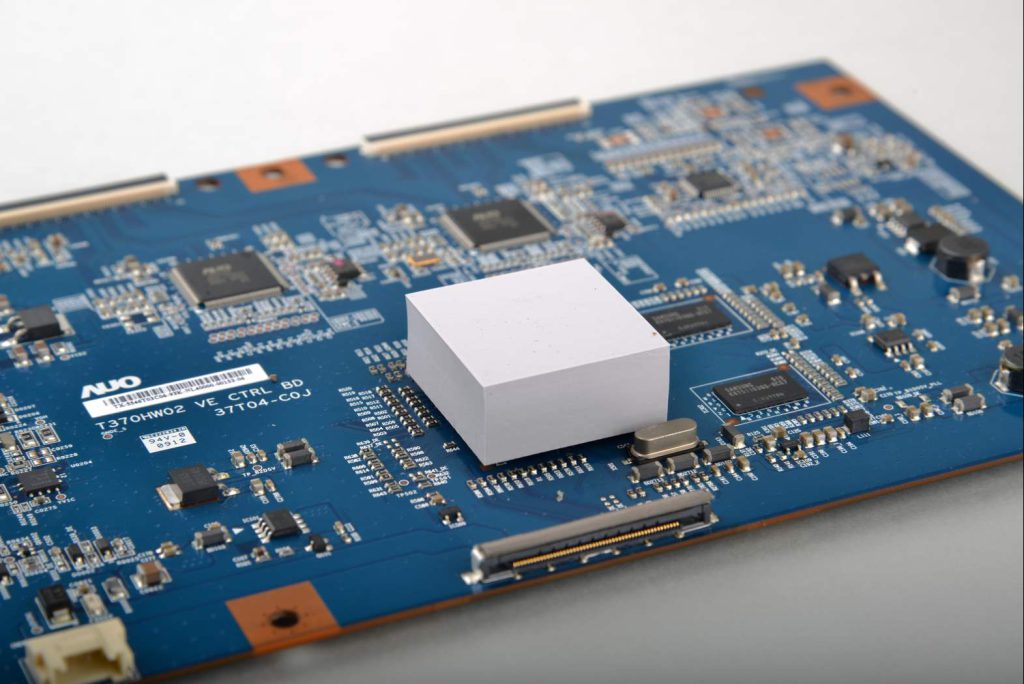
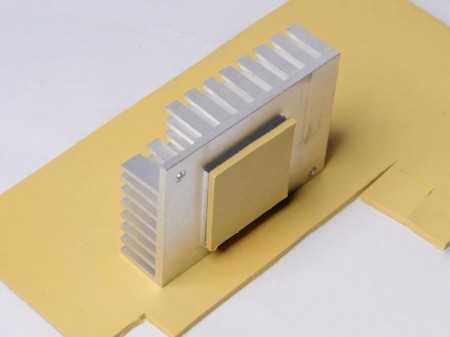
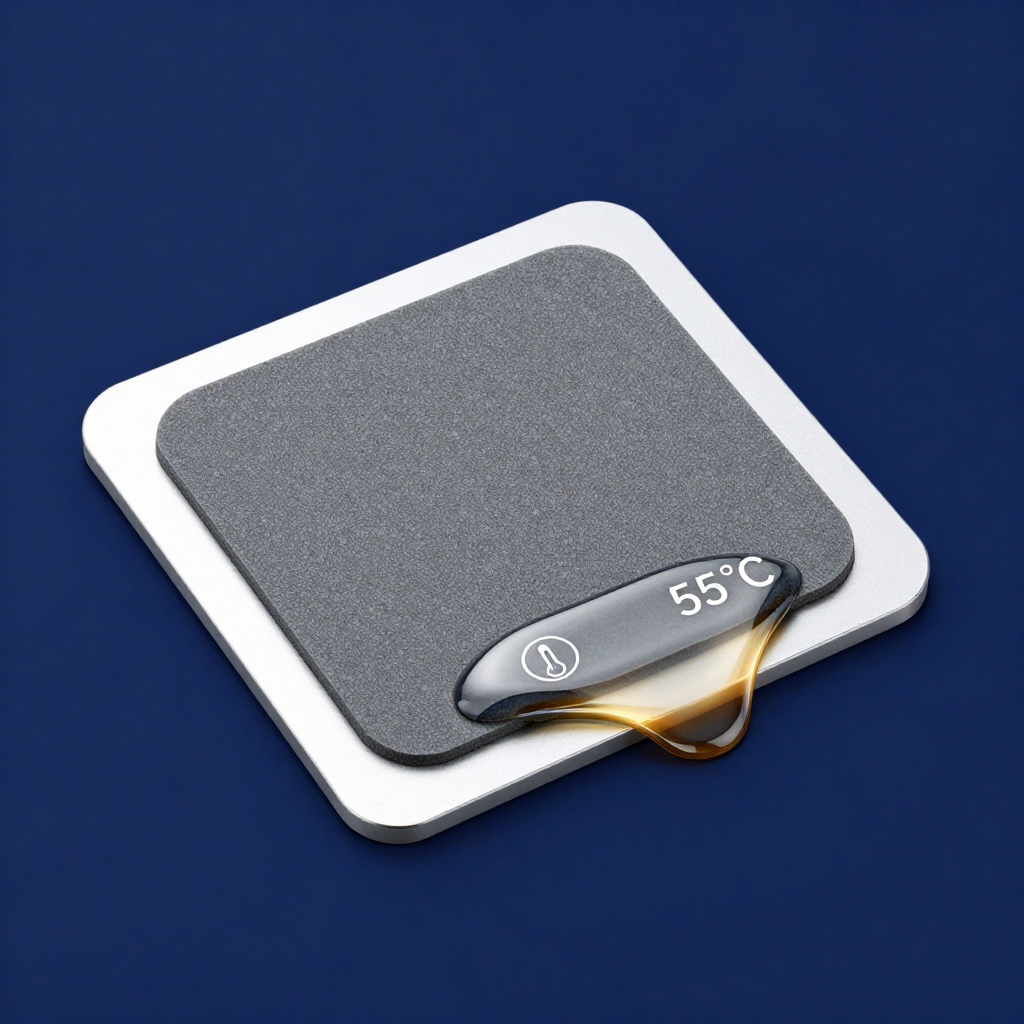
- Material Choice: For both sides, a high-performance thermal grease or phase change pad (2.5+ W/m·K) is standard. For permanent, high-reliability attachment, a thermally conductive epoxy can be used, but it prevents future service.
- Thickness is the Enemy: Use the thinnest possible TIM layer. Any extra material adds significant thermal resistance. Apply minimal, even pressure to avoid cracking the fragile ceramic substrates of the TEC.
- Hot Side Priority: Due to the higher heat flux, optimize the hot side TIM first. A bottleneck here raises the TEC’s hot-side temperature, which directly reduces its maximum temperature differential (ΔTmax) and cooling capacity.
- Condensation Management: For the cold side in humid environments, consider a low-outgassing, hydrophobic TIM and use perimeter sealing (e.g., RTV) to block moisture from wicking into the interface.
Assembly Best Practices:
- Flatness & Parallelism: Ensure the TEC, heatsinks, and target surfaces are flat and parallel. Use a thin TIM to compensate for minor imperfections.
- Controlled Clamping: Use a fixture or springs to apply even, calibrated pressure across the entire TEC surface. Uneven pressure can fracture the ceramic.
- Electrical Isolation: Verify if electrical insulation is needed between the TEC (which often has exposed conductive elements) and the mounting surfaces.
The TEC itself is a heat pump; the TIMs are the pipes connecting it. Investing in high-quality, properly applied interfaces is non-negotiable for achieving the rated performance of any thermoelectric cooling system.