The Thickness Paradox: Why Thinner Isn’t Always Cooler in Thermal Interface Design
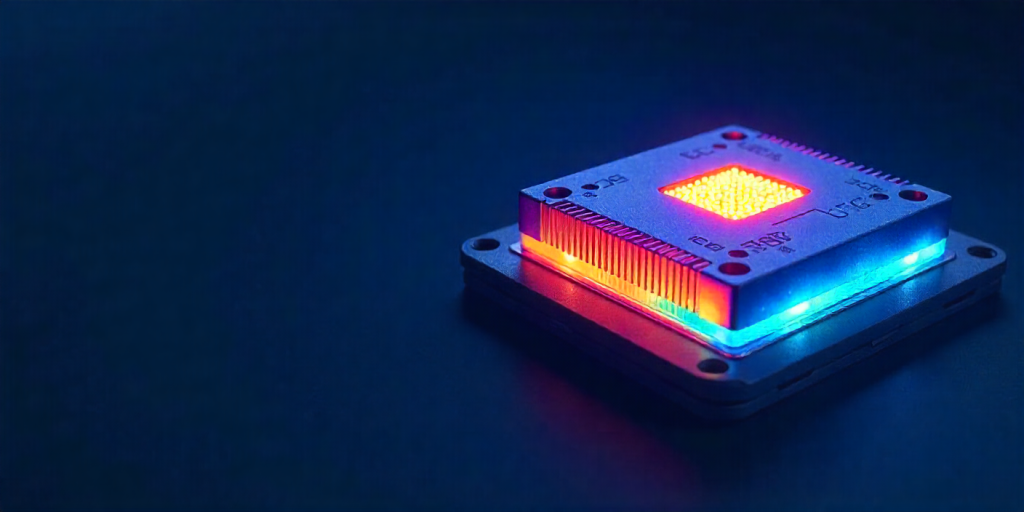
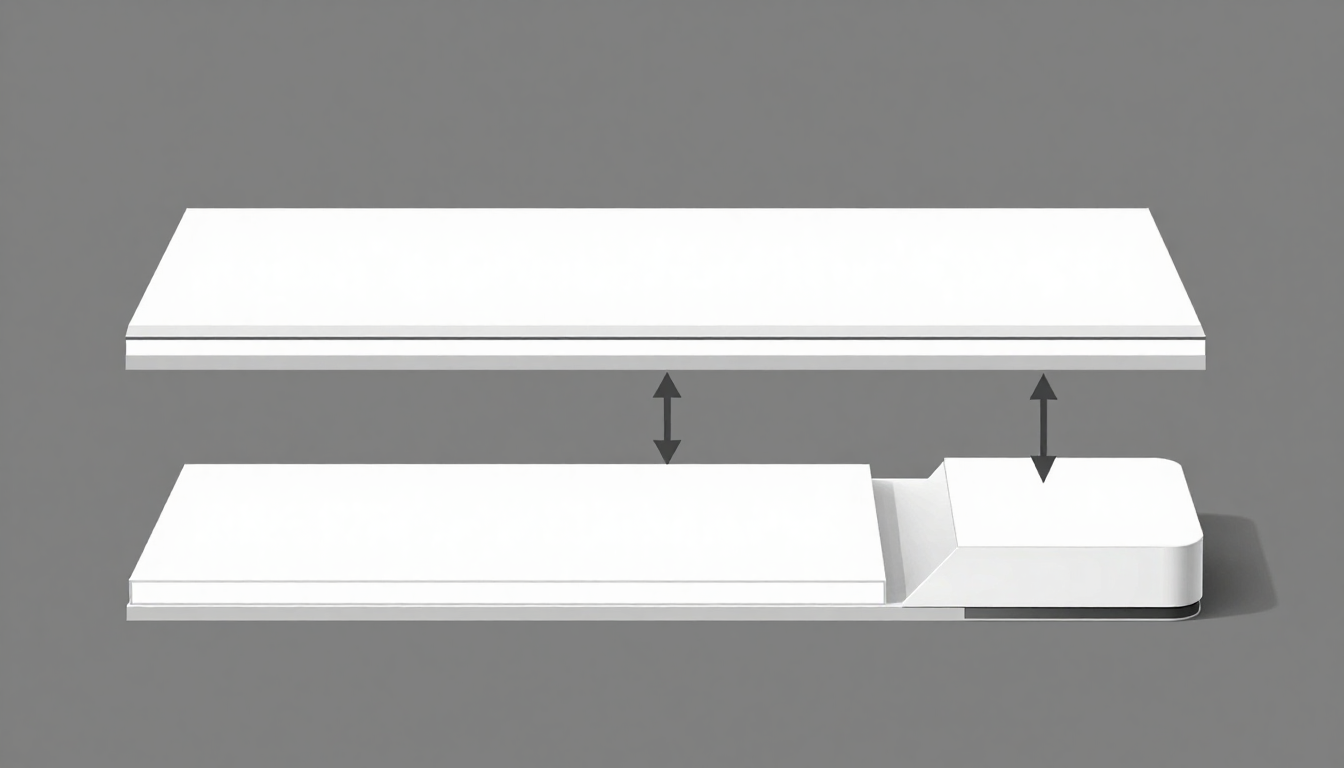
In the quest for thinner devices, a logical assumption is to specify the thinnest possible Thermal Interface Material (TIM). However, this can backfire, leading to higher temperatures. The relationship between TIM thickness and thermal performance is non-linear, governed by a critical balance: Bond Line Thickness (BLT) vs. Conformability.
Understanding the Paradox:
A TIM’s primary job is to displace air in the interface gap. Its thermal conductivity, while important, is typically 100-1000x better than air. Therefore, ensuring complete contact is paramount.
- Too Thick: Excessive material acts as a thick thermal barrier, increasing resistance.
- Too Thin: An ultra-thin pad may lack the compressibility and flow needed to conform to microscopic warpage, roughness, or component height (z-axis) variations. This leaves unfilled air gaps, which are terrible insulators, defeating the purpose.
The Key Principle: Optimized BLT
The goal is not the minimum thickness, but the Optimized Bond Line Thickness—the precise thickness that, under your design’s clamping pressure, compresses just enough to ensure >95% surface contact without being wasteful.
Designing for Sub-Millimeter Gaps:
- Characterize Your Gap: Measure not just the nominal gap, but the coplanarity and tilt of your component and heatsink. Your TIM must accommodate this maximum local gap, not the average.
- Select a “Forgiving” Material: At thicknesses below 0.3mm, material properties are critical. Look for phase change materials or gels designed for high conformability under low pressure. They flow to fill voids even when thin.
- Pressure is Your Ally: In thin designs, you often have limited mechanical budget for clamping force. You must select a TIM whose pressure-vs.-deflection curve shows it will conform adequately with the force you can apply.
Choosing a TIM for a 0.2mm gap is an exercise in precision engineering, not just picking the lowest number on a spec sheet. Our application support can help you model this trade-off to find the optimal thickness that delivers the lowest thermal resistance for your specific mechanical stack-up.