Vapor Chamber Integration: TIM Selection for Optimal Heat Spreading
Vapor Chamber technology has revolutionized thermal management in space-constrained consumer electronics, enabling effective heat spreading in packages less than 1mm thick. However, the remarkable performance of VCs depends entirely on efficient thermal coupling at both the heat source interface and the heat sink interface. Selecting the right thermal interface materials for vapor chamber integration represents a critical design challenge in achieving optimal heat spreading in ultra-thin devices.
The Dual-Interface Challenge in VC Systems
Effective VC implementation requires managing two distinct thermal interfaces:
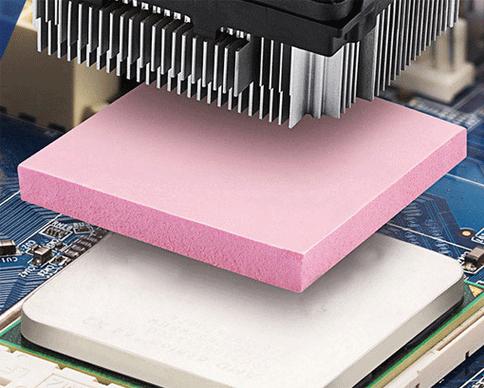
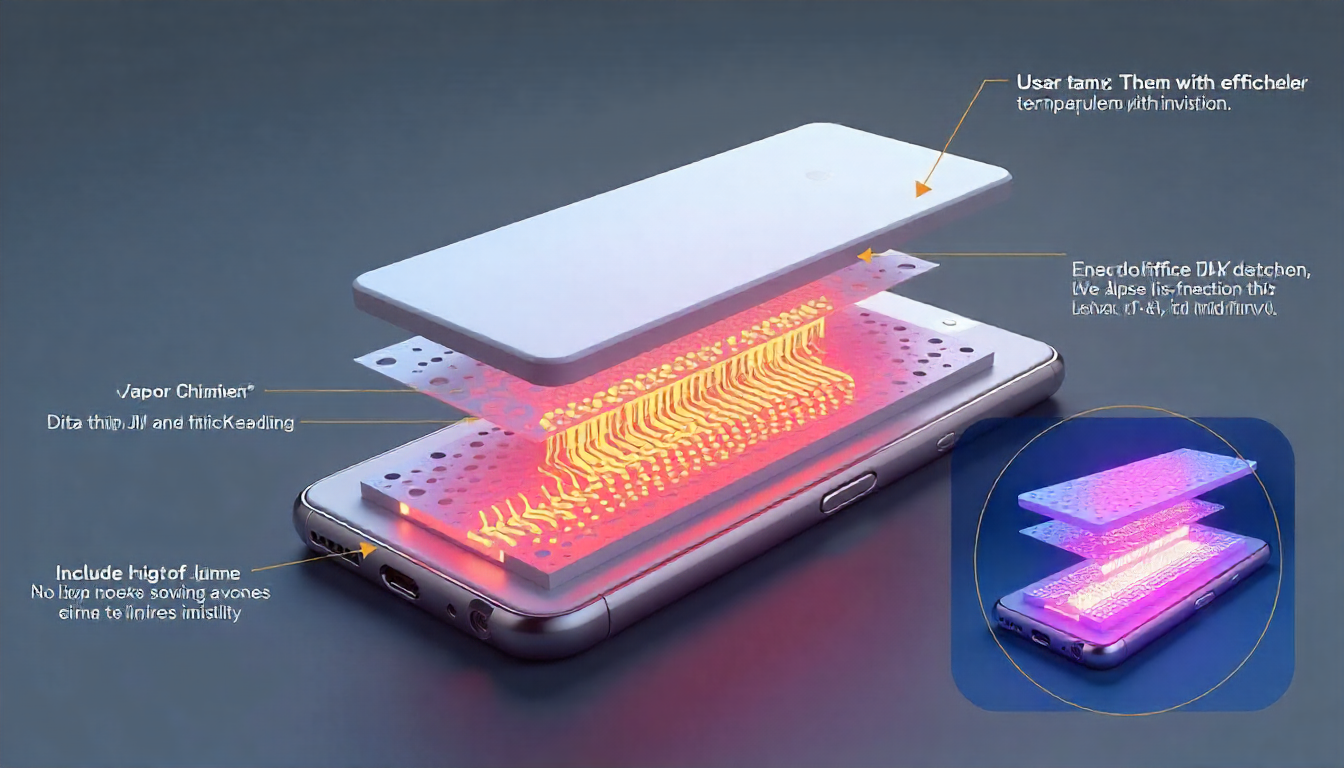
- Source-to-VC Interface: This is typically the highest heat flux region where the processor contacts the VC’s evaporation surface. The TIM here must have exceptionally low thermal resistance to efficiently transfer heat into the VC’s working fluid.
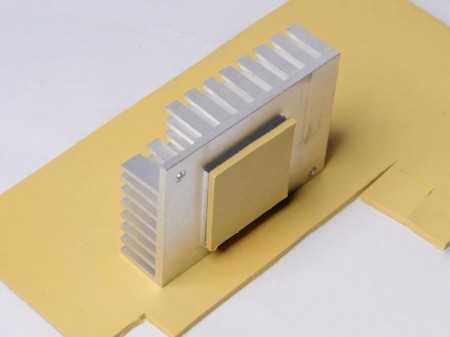
- VC-to-Heat-Sink Interface: In many designs, the VC spreads heat to a secondary heat sink or chassis. The TIM at this junction facilitates effective heat dissipation from vapor chamber surfaces, often across larger areas with lower heat flux.
Material Requirements for Thin-Form-Factor Devices
The drive toward thinner devices imposes unique constraints on TIM selection:
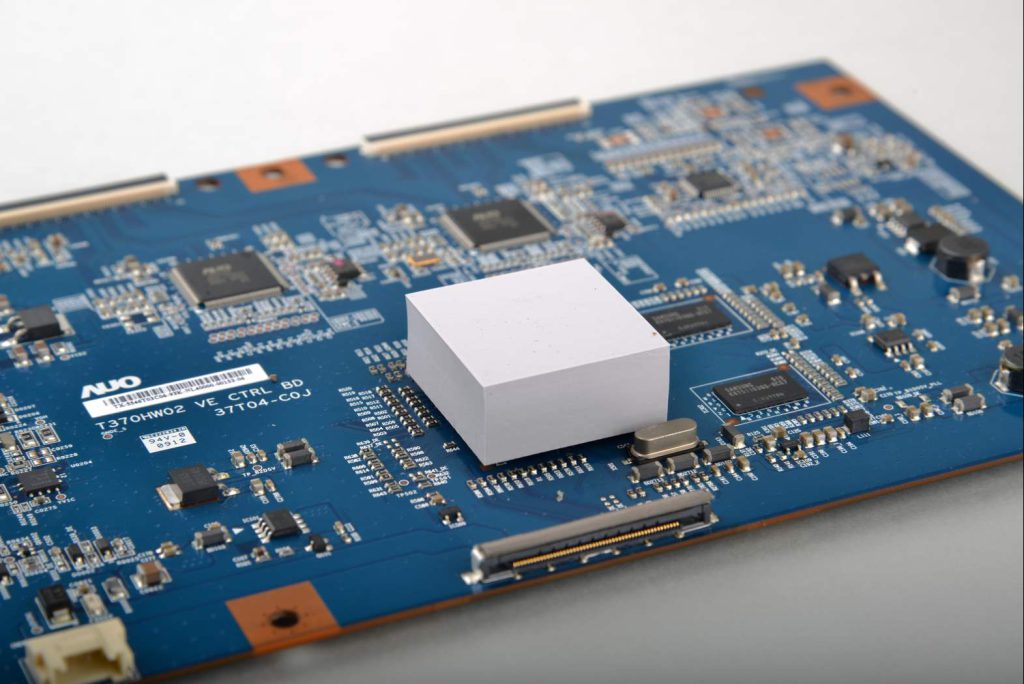
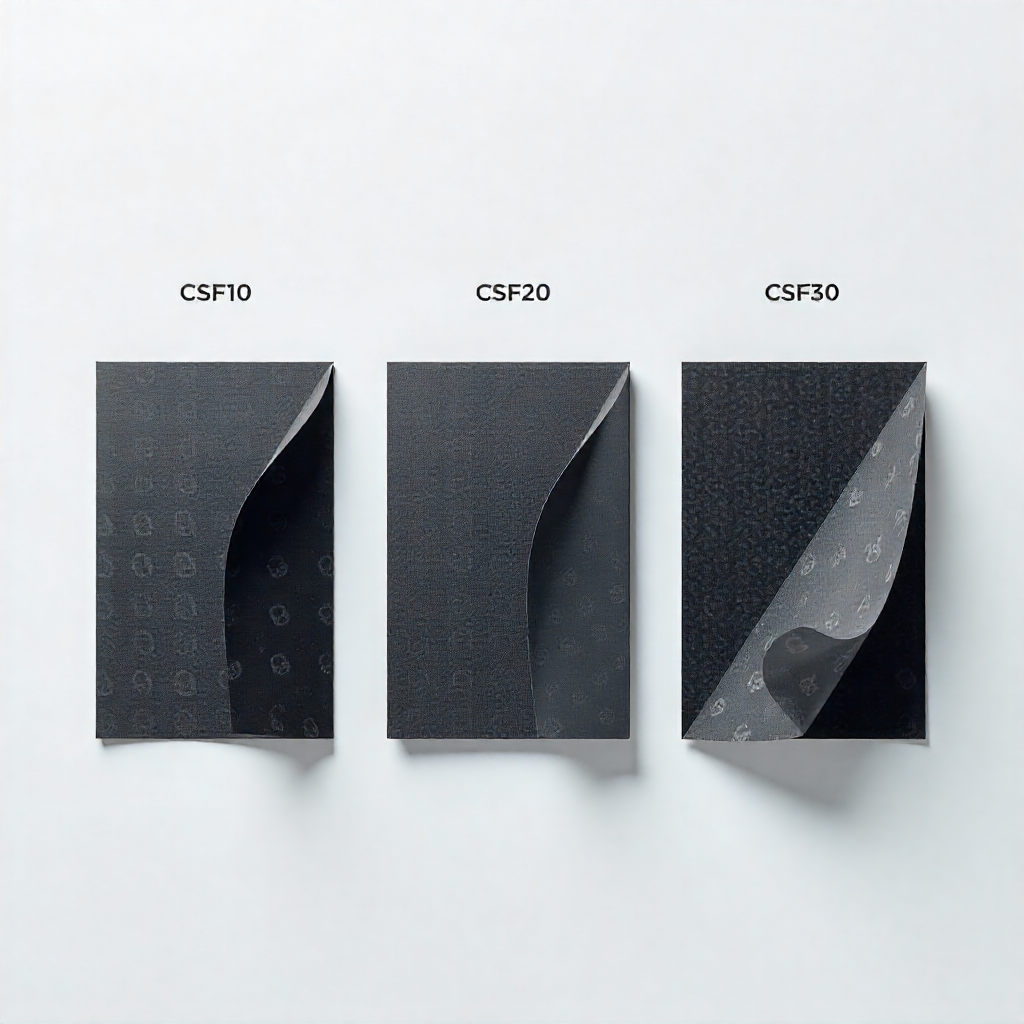
- Thickness Constraints: With total package heights under 1mm, TIMs must be ultra-thin thermal interface materials (typically 0.1-0.3mm) while maintaining performance. This has driven development of nano-filled polymer composites and advanced graphite sheets specifically for smartphone and tablet thermal management.
- Conformability Under Low Pressure: Consumer devices use minimal clamping pressure. TIMs must exhibit high conformability at low mounting forces to ensure proper contact with both the chip and VC surfaces. Soft thermal putties and phase-change materials excel in these applications.
- Reliability in Dynamic Environments: Devices experience constant temperature cycling from usage patterns and mechanical flexing in portable electronics. TIMs must maintain adhesion and thermal performance under bending stress, resisting delamination or cracking.
Advanced Integration Strategies
Innovative approaches are emerging to optimize VC-TIM integration:
- Integrated TIM Solutions: Some manufacturers now offer vapor chambers with pre-applied thermal interface layers, creating a unified thermal solution that eliminates application variability and improves manufacturing yield for high-volume consumer electronics.
- Anisotropic Material Combinations: Using graphite thermal pads with in-plane conductivity at the VC-to-chassis interface maximizes lateral heat spreading, while phase-change materials at the chip-to-VC interface ensure minimal contact resistance.
- Edge Bonding Techniques: Applying thermally conductive adhesives at VC edges while using conventional TIMs at the main interface provides both thermal performance and mechanical stability in mobile device assemblies.
Performance Validation and Testing
Given the critical nature of these interfaces, comprehensive testing is essential:
- Thermal Performance Mapping: Using infrared imaging to identify hot spots in VC-based cooling systems helps optimize TIM placement and thickness.
- Reliability Testing: Subjecting complete assemblies to accelerated thermal cycling and mechanical shock tests validates long-term performance under real-world conditions.
- Comparative Analysis: Benchmarking different TIM configurations for specific VC geometries provides data-driven selection criteria.
As consumer devices continue to push performance boundaries within shrinking form factors, the synergy between vapor chamber technology and advanced TIMs will only grow more critical. Mastering these interface challenges enables designers to deliver sustained performance in compact electronics without compromising device aesthetics or user experience.